Australian Government Pressed to Safeguard Overseas Students from Political Repression
The Australian government is facing mounting pressure to enhance protections for international students against political repression, following an alarming case where a Chinese student was allegedly sentenced to six years' imprisonment in China for participating in pro-democracy protests in Australia. This incident has ignited urgent calls for stronger action to defend the rights of overseas students studying in the country.
Case Details and Family Claims
The student, whose identity remains confidential, lost contact with friends in Sydney after returning to China in December 2024. He had intended to remain in Australia post-graduation, but two employers confirmed they have been unable to reach him since January 2025. A family representative in Australia disclosed that the student was arrested and charged with secession for joining pro-democracy rallies in Sydney, including events supporting China's ethnic minorities.
The family further alleged that they were not provided with a copy of the judgment after the trial, which reportedly occurred before China's implementation of the ethnic unity law. This legislation has been criticized by human rights advocates for intensifying restrictions on minority groups' language use.

Broader Context and Human Rights Concerns
Maya Wang, deputy Asia director at Human Rights Watch, suggested this arrest may be part of a wider pattern of political repression targeting Chinese international students who moved to Western countries after the 2022 "white paper" protests in China. Those demonstrations, sparked by anger over harsh Covid lockdowns, represented one of the largest youth-led rallies in China since 1989 and led to arrests by authorities.
Wang noted that China's focus has shifted from suppressing activism domestically to overseas, as migration waves have increased. She emphasized that democratic countries, including Australia, often fail to grasp the risks faced by these students, leaving universities ill-equipped to address human rights concerns due to financial dependencies on international tuition fees.
University and Government Responses
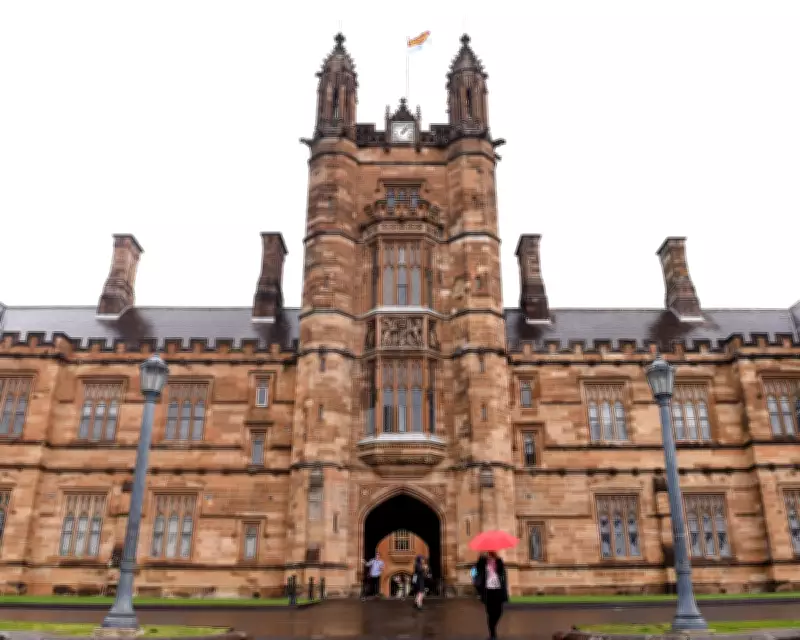
The University of Sydney, where the student was enrolled, declined to comment, citing privacy reasons. In 2021, a Human Rights Watch report highlighted intimidation and harassment faced by Chinese pro-democracy students. More recently, in September, the Guardian reported on another case involving a 22-year-old Chinese student detained over activism for Tibet.
Former Universities Australia chief executive Catriona Jackson mentioned that universities are exploring best practices from overseas to counter foreign government-linked harassment. However, Universities Australia has not commented on this specific case.
Policy Gaps and Political Reactions
In 2019, the Australian federal government introduced guidelines to counter foreign interference in universities, including a taskforce focused on the issue. These guidelines mandate training for staff and students on risks related to foreign collaboration but do not address how to support international students facing political repression for legal activities in Australia.
Both the university foreign interference taskforce and the Department of Education refused to comment on potential updates to these guidelines. Shadow home affairs and immigration minister Jonno Duniam described the missing student's case as "deeply concerning," urging universities to ensure free speech without intimidation and calling for robust safeguards against foreign interference.
Official Statements and International Implications
A Department of Home Affairs spokesperson stated that while they do not comment on individual cases, it is unacceptable for any foreign government to target community members in ways that restrict fundamental rights in Australia. The Chinese embassy in Canberra claimed unawareness of the case.
This situation underscores ongoing tensions between Australia and China, highlighting the need for clearer protections for international students exercising democratic freedoms abroad.