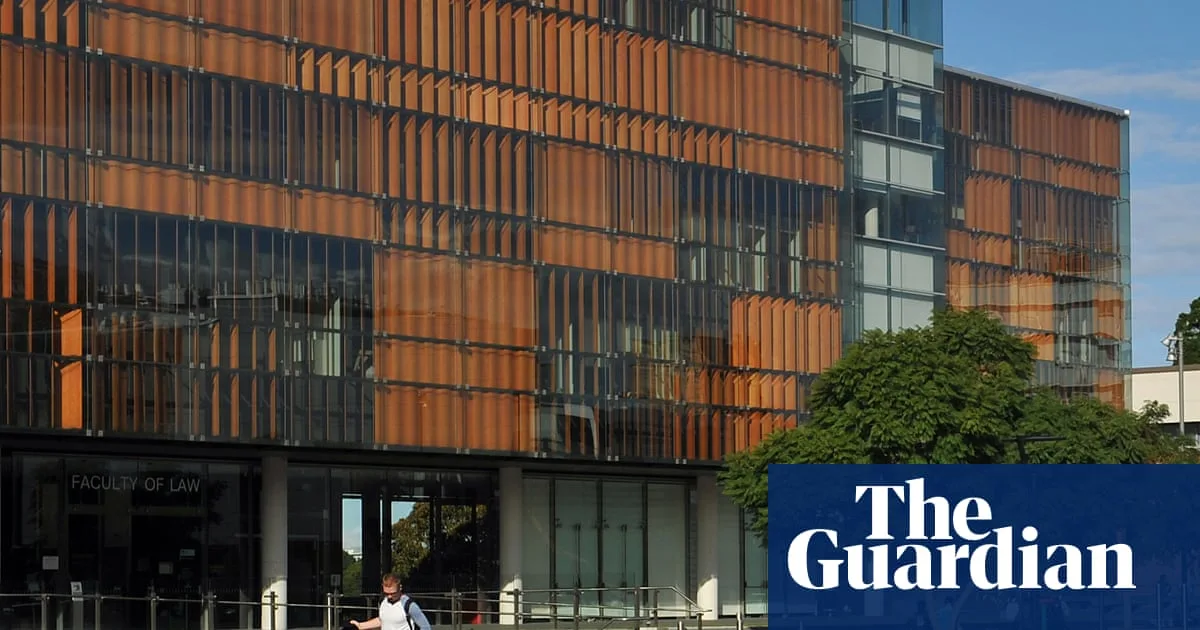
Labor's proposed 20% reduction in HECS-HELP student debts, a key election promise, is facing criticism from economists who argue it disproportionately benefits high-income graduates. The e61 Institute analysed a similar 2012 debt cut and found half the benefits went to the top third of earners, with medicine, law, and dentistry graduates receiving an average of $10,000 relief compared to $3,000-$4,000 for teaching and nursing graduates.
The economists, Jack Buckley and Matthew Maltman, suggest a flat $5,500 reduction per borrower would be fairer, providing equal relief regardless of field of study or graduation year. They note that 80% of indebted graduates would not pay off loans sooner under the current plan, and timing heavily influences benefits—those finishing studies in 2011 would receive twice the relief of 2007 graduates.
Monash University professor Andrew Norton called the policy a 'windfall' for current debt holders, treating symptoms rather than causes. He criticised the 2021 Job-ready Graduates scheme, which raised fees for humanities and arts degrees, leaving many graduates with unmanageable debts. Norton argued the funds could be better spent reforming student contributions.

The Albanese government has tasked the Australian Tertiary Education Commission with creating a fairer system, but Norton warned this may not take effect until 2027, leaving cohorts with large debts. The legislation is expected to pass parliament easily.