Young Muslims in Australia Fearful as Islamophobia Rises Amid Political Rhetoric
Young Muslims Fearful as Islamophobia Rises in Australia

Young Muslims in Australia Grapple with Fear and Alienation Amid Rising Islamophobia

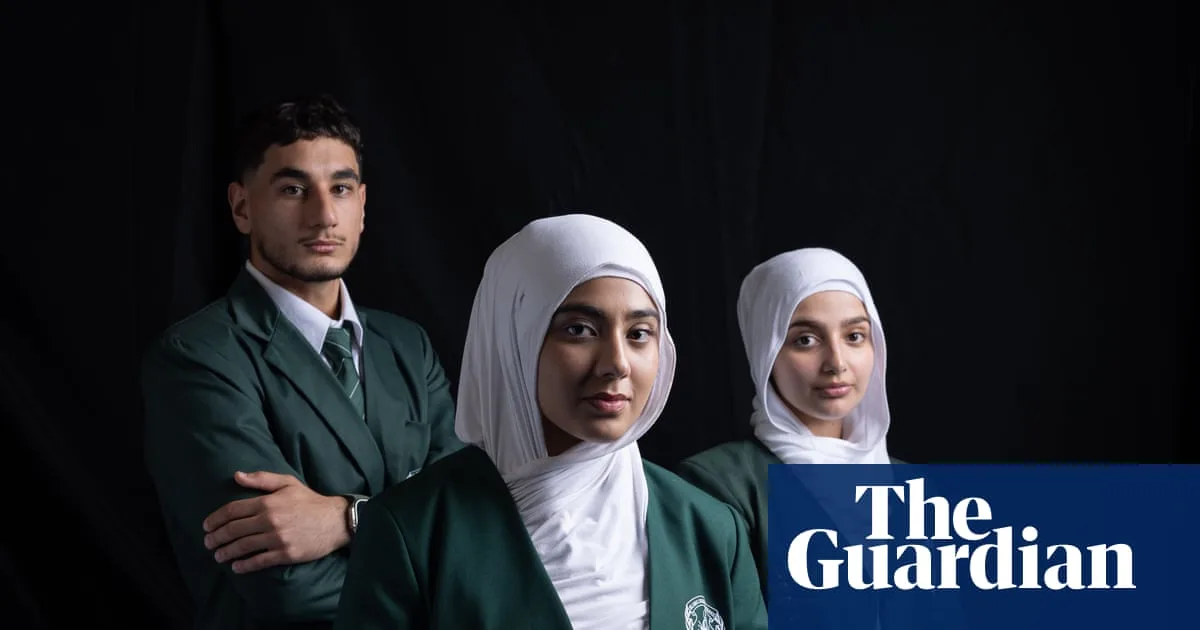
At the Islamic College of Brisbane, students Burak, Sualyha, and Nourhana are preparing for a significant change as term two approaches next month. For the first time in the school's history, security guards will patrol the campus during afternoons and evenings, a direct response to escalating concerns over safety and anti-Muslim sentiment. This move underscores a broader trend of increasing Islamophobia across Australia, which has left many young Muslims feeling fearful and isolated.

Political Rhetoric Fuels Community Concerns

The rise in Islamophobic incidents has been sharpened by anti-Muslim rhetoric from political figures, notably Pauline Hanson of the One Nation party. Hanson, who entered federal parliament in 1996, has a long history of controversial statements, including her 2016 claim that Australia was being "swamped" by Muslims. Recently, her party's success in the South Australian election, where it secured over 22% of the primary vote, has amplified anxieties within the Muslim community.

Burak, a 17-year-old student, recalls discovering Hanson's actions on TikTok, where he watched a video of her wearing a burqa in the Senate as a stunt. "I felt disrespected because it takes a lot of hate, inside a person, to come up with a stunt like that," he says, noting that he has become increasingly fearful to pray in public in recent months. "I have to be more cautious as a Muslim in public because of the propaganda and the hate that is building ... I can't really be free any more."

Wide Pickt banner — collaborative shopping lists app for Telegram, phone mockup with grocery list

Incidents of Hate and Their Impact

Since October 7, 2023, reports of Islamophobic incidents have surged nationwide, paralleling a rise in antisemitic events. Notable cases include a man crashing a Ballarat iftar celebration during Ramadan in regional Victoria and multiple threatening letters sent to one of Australia's largest mosques in Sydney. Additionally, the Bondi attack has further heightened fears.

Sualyha, a year 12 classmate of Burak's, worries about the trickle-down effect of such rhetoric on younger Muslims. "When people up the ladder create this rhetoric of every Muslim being bad ... it trickles down a really long ladder," she explains. "At the bottom ... it's just Muslims who are trying to get about their normal, everyday life."

School Responses and Mental Health Initiatives

Ali Kadri, CEO of the Islamic College of Brisbane, highlights how political discourse affects young people. After Hanson's comments on Sky News, where she questioned the existence of "good Muslims," a primary school student approached Kadri saying, "Pauline doesn't like us." Kadri notes that such rhetoric makes students feel "alienated within their own country" and that "no matter how nicely they behave ... they're never accepted or welcomed."

In response to safety concerns, the college has implemented full-time security guards, citing past incidents like three bomb threats last year, one of which led to an evacuation. Meanwhile, other Islamic schools are focusing on mental health. A principal at a western Sydney school, who requested anonymity, says they have introduced wellbeing workshops on topics like identity and ethics to boost students' confidence in the face of negative media portrayals.

Personal Stories of Fear and Resilience

A 14-year-old girl from Melbourne shared her experience of being called a "terrorist" by men in a car while waiting for her father outside school. "I just ... froze," she recalls, adding that she now avoids being alone and feels scared whenever outside. Despite this, she finds strength in her faith, questioning but ultimately reaffirming her decision to wear the hijab.

Nourhana, a 16-year-old student, encounters anti-Muslim comments on social media, which she describes as based on "a false narrative of what they think being Muslim is." She feels misunderstood but finds it challenging to counter such views online.

Pickt after-article banner — collaborative shopping lists app with family illustration

Community Efforts and Hope for Acceptance

Despite the challenges, students at the Islamic College of Brisbane recently engaged in a community outreach activity called "Petals of peace," handing out 300 white roses with Qur'anic messages about kindness in the CBD. For Burak, this was a "refreshing" reminder that acceptance exists. "I got to see first-hand that, OK, there are nice people out there, and we can be nice. We can accept people in our community," he says.

As security measures ramp up and political tensions persist, young Muslims in Australia continue to navigate a landscape of fear and alienation, striving for safety and acceptance in their own country.