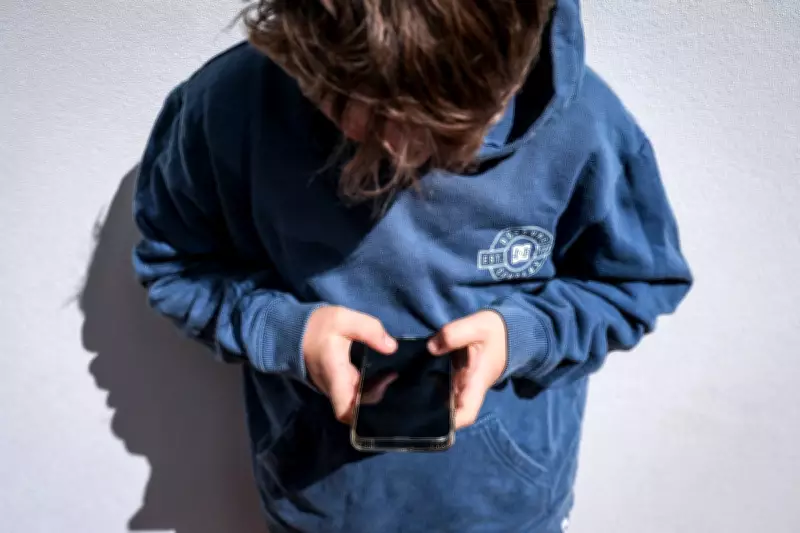
A new study has uncovered a surprising connection between the amount of time teenagers spend on social media and their likelihood of consuming alcohol. Researchers from Northwell Health analyzed data from more than 14,000 high school students across the United States, revealing that those with the highest levels of social media engagement are significantly more prone to drinking.
Key Findings of the Study
The study, presented at the Pediatric Academic Societies 2026 Meeting in Boston, found that 28 percent of adolescents who use social media at least once an hour reported drinking alcohol within the past 30 days. In contrast, only 13.2 percent of those with low social media usage—defined as a few times a week or month—said the same. Moderate users, who check social media once or several times daily, had a 19.7 percent alcohol consumption rate, while just 9.2 percent of non-users reported drinking.
“Using nationally representative data, we found that adolescents with the highest levels of social media use had more than triple the odds of recent alcohol use compared to non-users,” said Neel Sharma, research intern at Northwell Health and lead author of the study.

Implications for Youth Health
Alcohol remains the most commonly used substance among teenagers, with approximately 4,000 under-21 deaths annually due to excessive drinking, according to the Centers for Disease Control and Prevention. Underage drinking is linked to risky behaviors such as violence, poor academic performance, and injuries from car crashes. It can also impair brain development and increase the risk of alcohol abuse later in life.
“These findings suggest that social media environments may play a role in exposure to alcohol-related content and behaviors, highlighting the need for efforts focused on digital literacy and helping adolescents navigate online spaces more safely,” Sharma added.
Demographic Variations
The link between social media use and alcohol consumption did not significantly differ by grade, sex, or race. However, the study noted that students identifying as gay or lesbian had a higher likelihood of alcohol use if they reported moderate or high social media engagement. Researchers emphasize the need for further studies to understand how alcohol depictions on social media influence youth health outcomes.