Scottish Greens Unveil Plan to Delay Formal Schooling Until Age 7
A radical new proposal from the Scottish Greens aims to transform early years education in Scotland by introducing a play-based kindergarten stage for children aged three to six. This initiative would delay the start of formal primary schooling until the age of seven, marking a significant departure from the current system where children can begin as young as four and a half.
Focus on Play-Based Learning and Wellbeing
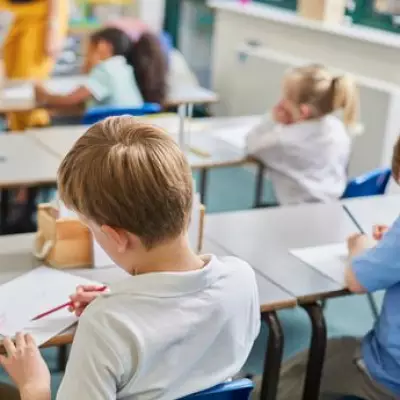
Under the plans, specially trained kindergarten teachers would guide young children in environments prioritising creativity, exploration, and social development. The approach emphasises learning through play, with activities designed to build confidence, communication skills, and emotional understanding. Scottish Greens co-leader Gillian Mackay argues that the current system, which often expects very young pupils to sit at desks and follow formal lessons, can be counterproductive and negatively impact attitudes towards learning.
Mackay pointed to countries like Finland as successful examples, where children start formal education later and early learning centres on play, outdoor activities, and social interaction. The Greens claim this model not only boosts short-term wellbeing but also leads to better academic performance over time, as it fosters key life skills such as curiosity and resilience before structured schooling begins.

Broader Education Reforms and Potential Challenges
The kindergarten proposal is part of a wider package of education reforms the Scottish Greens are advocating ahead of the next Scottish Parliament election. Other eye-catching policies include plans to scrap homework and exams, aimed at reducing pressure on pupils and creating a more balanced learning approach. Supporters argue that the current system places too much emphasis on testing and rigid structures, particularly at a young age, and that these changes would nurture a more flexible environment.
However, the plans are likely to spark debate over implementation, funding, and impacts on working families who rely on existing school and childcare arrangements. Despite potential hurdles, Mackay insists a fundamental rethink is necessary, noting that while many teachers already incorporate play-based methods, they are limited by the current framework. The proposal seeks to align Scotland with international best practices, potentially reshaping early education for future generations.