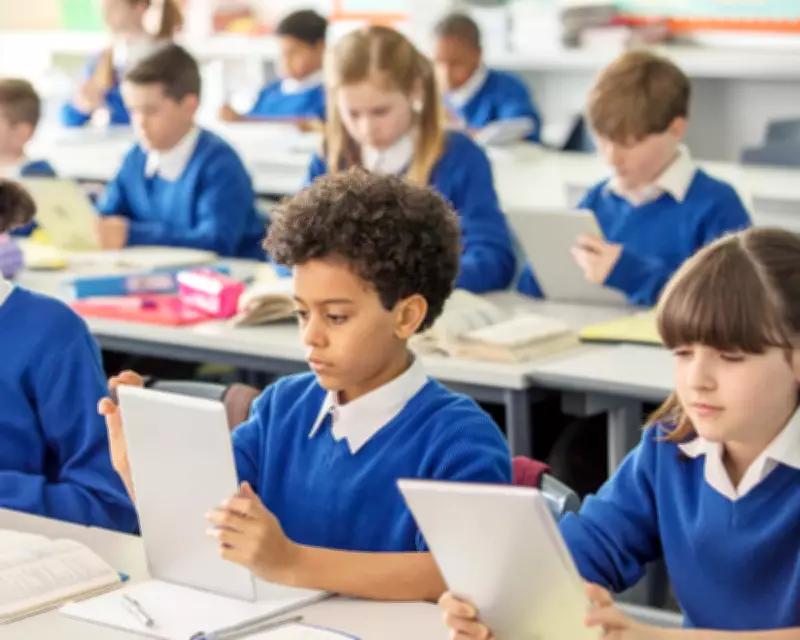
The debate over social media bans in UK schools is intensifying, as educators and policymakers grapple with the paradox of restricting online platforms while digital screens become ubiquitous in classrooms. This issue has sparked a national conversation about the role of technology in education and its impact on student development.
The Rise of Classroom Screens
In recent years, UK schools have increasingly integrated digital devices into daily learning, with tablets, laptops, and interactive whiteboards now common fixtures. This shift, driven by initiatives to enhance digital literacy and engage tech-savvy pupils, has transformed traditional teaching methods. However, it also means students are spending more time in front of screens during school hours, often for educational apps, online resources, and collaborative tools.
Proponents argue that this technology boosts interactive learning and prepares students for a digital world. Yet, critics warn that excessive screen time may contribute to issues like reduced attention spans, eye strain, and social isolation, mirroring concerns often associated with social media use.

Social Media Bans: A Contradictory Approach?
Many UK schools have implemented bans or restrictions on social media access during school hours, citing risks such as cyberbullying, distraction, and mental health impacts. These measures aim to create a safer, more focused learning environment. However, experts question their effectiveness when screens are so pervasive in classrooms.
Dr. Emily Carter, an education researcher at a leading UK university, notes, "Banning social media while encouraging screen-based learning sends mixed messages. Students may simply shift their online activity to other platforms or times, without addressing the root issues of digital balance and responsible use."
Balancing Technology and Wellbeing
The challenge lies in finding a middle ground that leverages technology's benefits while mitigating its downsides. Some schools are adopting holistic approaches, such as:
- Implementing digital citizenship programmes to teach safe and ethical online behaviour.
- Setting clear guidelines for screen time, both in and out of the classroom.
- Encouraging offline activities and face-to-face interactions to complement digital learning.
Parents and teachers are also calling for more research into the long-term effects of screen exposure on young minds. As one secondary school teacher from London shared, "We need policies that reflect the reality of modern education, not just quick fixes like bans that ignore the bigger picture."
Looking Ahead: Policy and Practice
As the UK continues to navigate this complex landscape, policymakers are urged to consider integrated strategies. This could involve updating curriculum standards to include digital wellbeing, providing training for educators on managing screen use, and fostering collaboration between schools, families, and tech companies.
The conversation is not about rejecting technology altogether but about ensuring it serves educational goals without compromising student health. With screens firmly entrenched in classrooms, the effectiveness of social media bans remains a pressing question for the future of UK education.