In a significant development in the ongoing debate over vaccination policies in the United States, Robert F. Kennedy Jr. has publicly endorsed Mississippi's recent decision to roll back school vaccine mandates. This move, which has drawn both support and criticism, marks a pivotal moment in the intersection of public health, education, and individual liberties.
Background on Mississippi's Vaccine Policy Shift
Mississippi, historically known for having some of the strictest school vaccine requirements in the nation, has recently enacted legislation to relax these rules. The new policy allows for certain exemptions, reducing the mandatory vaccination thresholds for students attending public schools. This change comes amid a broader national conversation about vaccine mandates, spurred by recent public health crises and shifting political landscapes.
RFK Jr.'s Involvement and Advocacy
Robert F. Kennedy Jr., a prominent environmental lawyer and anti-vaccine activist, has been a vocal critic of mandatory vaccination policies for years. In response to Mississippi's policy shift, Kennedy issued a statement praising the state for "upholding parental rights and medical freedom." He argued that the rollback represents a step towards greater individual autonomy and away from what he describes as "coercive public health measures."

Kennedy's endorsement has amplified the visibility of the issue, bringing national attention to Mississippi's legislative changes. His involvement is part of a larger campaign against vaccine mandates, which he links to concerns about pharmaceutical industry influence and potential health risks, though these claims are widely disputed by mainstream medical experts.
Reactions from Public Health Officials and Educators
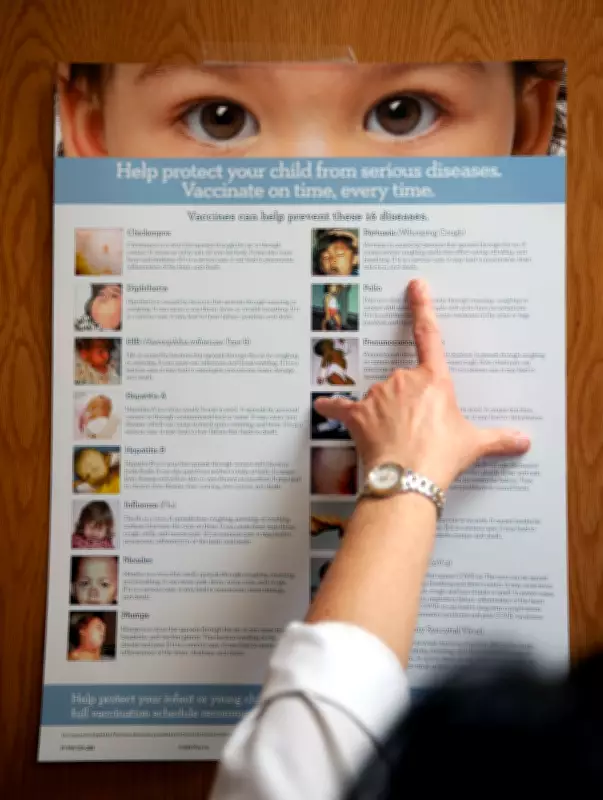
The rollback of school vaccine rules in Mississippi has elicited strong reactions from various stakeholders. Public health officials have expressed concern that relaxing mandates could lead to lower vaccination rates, increasing the risk of outbreaks of preventable diseases like measles and whooping cough. They emphasize that high vaccination coverage is crucial for herd immunity, especially in school settings where children are in close contact.
Educators and school administrators are also grappling with the implications. Some worry about the potential for increased absenteeism due to illness, while others support the change as a way to respect diverse parental beliefs. The debate highlights the tension between collective public health goals and individual freedoms, a recurring theme in US policy discussions.
National Context and Broader Implications
Mississippi's move is not isolated; it reflects a growing trend in several US states to reconsider or weaken school vaccine mandates. This trend is often driven by political movements advocating for medical freedom and skepticism towards established public health guidelines. The involvement of figures like RFK Jr. adds a layer of celebrity influence to these debates, potentially swaying public opinion and policy decisions.
As other states watch Mississippi's experiment, the outcomes could set precedents for future legislation. Proponents argue that such changes empower parents and promote informed consent, while opponents warn of dire consequences for community health. The situation underscores the complex balance between safeguarding public welfare and honoring personal choice in a democratic society.
In conclusion, RFK Jr.'s backing of Mississippi's rollback of school vaccine rules has intensified a national conversation on vaccination policies. While supporters celebrate it as a victory for liberty, critics fear it may compromise public health. As this issue evolves, it will likely continue to spark debate and influence similar initiatives across the country, shaping the future of health and education in America.