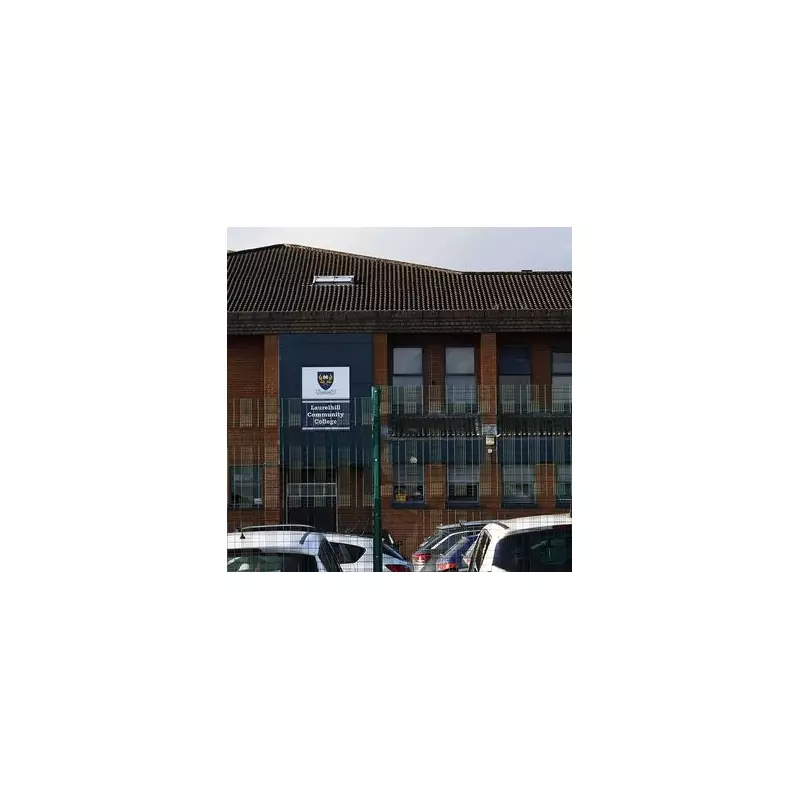
Principal Defends Decision to Suspend 19 Boys Following School Assembly Incident
The principal of Laurelhill Community College has robustly defended her controversial decision to suspend 19 male pupils from the school, describing the action as a necessary response to a specific incident that occurred during a school assembly. The move has sparked significant criticism from parents and pupils alike, who have condemned the suspensions as unfair and damaging to the boys' mental wellbeing.
Growing Controversy Over School's Actions
Principal Nicola Stevenson penned a detailed letter to parents on Monday, 19 January, justifying her choice to suspend the 19 pupils. In her correspondence, she emphasised that the suspensions were warranted and involved only a small minority of students from the school community. The incident has attracted considerable media attention and generated heated debate among parents and educational observers.
Parents of the affected boys, alongside other pupils at the Lisburn-based school, have strongly criticised the suspensions, claiming they have unfairly portrayed the boys as villains and harmed their psychological welfare. The controversy has highlighted tensions between school disciplinary measures and parental concerns about fairness and proportionality in educational settings.

Clarifying the School's Position on Toxic Masculinity
In her communication with parents, Ms Stevenson took care to clarify the school's position regarding toxic masculinity. She explicitly stated that she had not suggested there was an existing culture of toxic masculinity present at Laurelhill Community College. Rather, she explained that the school wished to ensure such a culture does not develop within the educational environment.
The principal's letter addressed the media coverage directly, stating: Whilst we cannot discuss individual cases, these suspensions were a necessary response to a single, specific incident involving a range of behaviours. She emphasised that the vast majority of pupils at the school uphold core values and demonstrate respectful conduct in their daily interactions.
School's Behaviour Policy and Support Mechanisms
Ms Stevenson outlined how the school's approach has been guided by its established Behaviour for Learning policy. She explained that when implemented appropriately, a short suspension provides a young person with space to reflect, take accountability for their behaviour, and with support from parents and school staff, make more positive choices moving forward.
The letter detailed the school's rationale: Other than illness or exceptional closure, a suspension is the only mechanism a school can use to direct a pupil to remain at home. This clarification aimed to address questions about the school's available disciplinary options and the legal framework governing such decisions.
Constructive Engagement with Parents and Pupils
Following the incident, the school has engaged in what it describes as constructive meetings with parents to discuss individual behaviours and provide appropriate support to those involved. Ms Stevenson acknowledged that some of the pupils involved had not previously come to the school's attention through disciplinary channels.
The principal appealed to parents to reinforce the school's three core expectations with their children:
- Be ready
- Be safe
- Be respectful
She encouraged parents to discuss with their children the importance of walking away from unacceptable behaviour, avoiding negative influences, and being mindful of intimidating behaviour when part of a group dynamic.
Working with Educational Authorities
The school is actively working with the Education Authority and other relevant bodies to support the young people involved in the incident. Ms Stevenson emphasised that incidents of a disruptive and disrespectful nature have been exhibited by only a small minority of pupils, and the school remains committed to addressing these issues through appropriate channels.

In her letter, the principal acknowledged: We recognise that young people will sometimes make poor choices. When this happens, they need support to reflect, accept responsibility, and learn from the experience. This balanced approach seeks to combine accountability with educational support and personal development opportunities.
Moving Forward as a School Community
Ms Stevenson concluded her communication by addressing the challenges of managing controversy in the age of social media, noting that such issues are best resolved within the school community rather than through public commentary or media channels. She expressed confidence that the school community could overcome these challenges through cooperation and shared commitment to educational excellence.
The principal affirmed: I firmly believe we all want the same thing - the very best for all our pupils, staff, and school. This statement aimed to bridge divides and refocus attention on the shared educational goals that unite parents, pupils, and school staff in their collective mission.