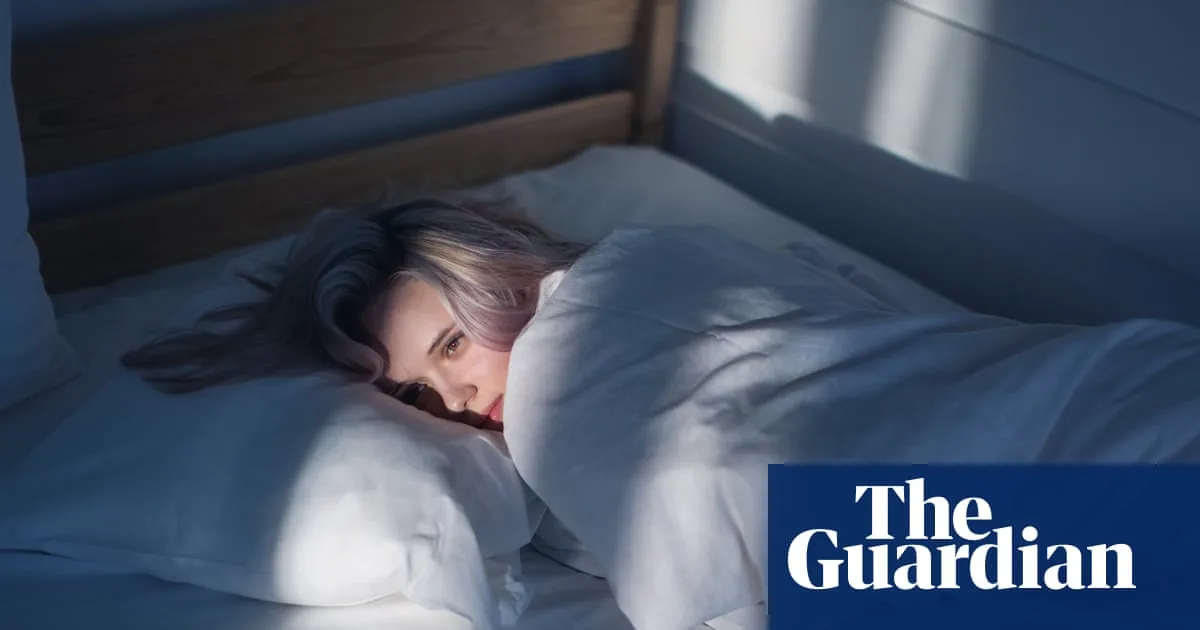
A new study from the University of Minnesota School of Public Health has found that American teenagers are getting less sleep than ever before. Published in the journal Pediatrics, the research reveals a consistent decline in sleep across all age groups, with only 22% of older adolescents reporting at least seven hours of sleep per night.
Lead author Rachel Widome noted that while some barriers to sleep, such as homework and social pressures, have existed for generations, newer factors like screen time, social media, and societal stressors—including the pandemic and social unrest—are exacerbating the problem. The study also found widening sleep disparities, with Black and Latino teens, as well as those from less educated families, increasingly likely to get insufficient sleep.
Researchers analysed data from the Monitoring the Future survey, which has tracked over 400,000 US students since 1991. They found that sleep duration and feelings of adequate rest drop significantly from early to late adolescence. Insufficient sleep is linked to exhaustion, mental health issues, academic struggles, and chronic illnesses later in life.
Recent research from Aim Ideas Lab suggests that burnout and anxiety are widespread among teens, with many citing relentless academic pressure. Executive director Jolie Delja emphasised that students need more time and space for coping strategies like mindfulness, rather than entirely new solutions. Studies also show that teens who sleep earlier and longer tend to perform better on cognitive tests.
While no single nationwide fix exists, researchers advocate for delaying high school start times to 8:30am or later, aligning with adolescent circadian rhythms. Widome concluded: 'A nation of sleep-deprived adolescents is not inevitable. We should embrace a culture of sleep and commit to policies that promote healthy sleep for everyone.'