UK Government Announces Strict Screen Time Guidelines for Young Children
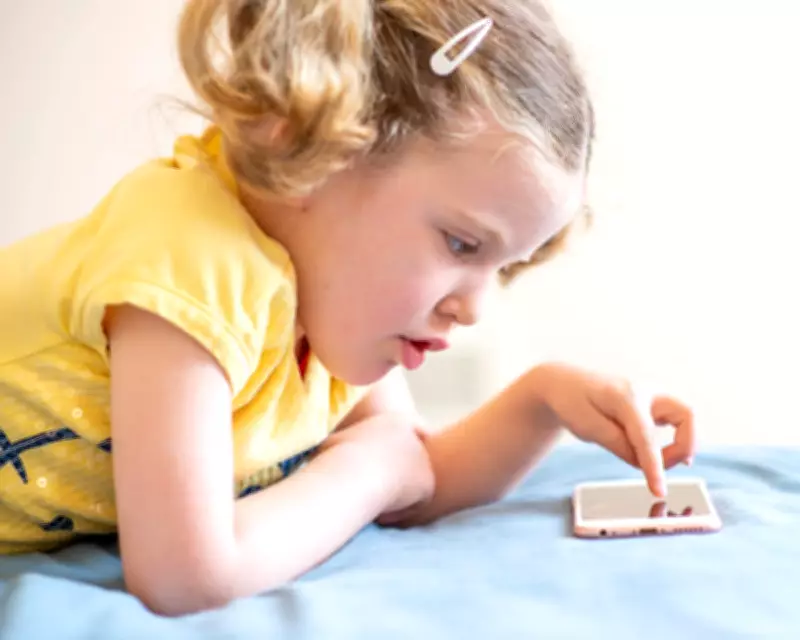
The UK government has issued new guidance recommending that children under five should have no more than one hour of screen time per day, with Prime Minister Keir Starmer vowing to support parents in managing their children's digital activities. This advice aims to address growing concerns about the impact of excessive screen use on early childhood development.
Detailed Recommendations for Different Age Groups
For children under two, screen time should be avoided entirely except for shared interactive activities, such as video calls with family members. The guidance emphasizes that solo screen exposure at this age can hinder language development and social skills. Research indicates that approximately 98% of children in the UK are already using screens daily by the age of two, highlighting the urgency of these measures.
For toddlers aged two to five, parents are advised to limit screen use to a maximum of one hour daily, with the suggestion that less is preferable. The guidance specifically warns against fast-paced, social media-style videos and AI-powered toys, which may overstimulate young minds. Instead, families are encouraged to engage in screen-free alternatives like background music, table games, bedtime stories, and coloring activities.

Prime Minister's Commitment to Parental Support
Prime Minister Keir Starmer has pledged that his government will not leave parents to navigate the challenges of digital parenting alone. He acknowledged that conflicting advice and the pervasive nature of screens can make parenting feel relentless. Starmer stated, "There will be some who oppose us doing this, but I will always stand on the side of parents doing their best for their children." This commitment extends beyond screen time to broader issues like the cost of living and family life balance.
Evidence-Based Development of Guidelines
The new guidelines were developed by an expert panel led by Children's Commissioner Dame Rachel de Souza and Professor Russell Viner, a renowned children's health expert. Their review found that prolonged solo screen time negatively affects sleep, physical activity, creative play, and parent-child interactions, all of which are crucial for healthy development. Professor Viner emphasized, "Too much solo screen time can crowd out the things that make the biggest difference – sleep, play, physical activity, and talking with parents and carers."
Considerations for Special Educational Needs
The panel noted that screen time limits should not be uniformly applied to children with special educational needs and disabilities who rely on screen-based assistive technologies. These tools can be essential for communication and learning, and the guidance recognizes the need for flexibility in such cases.
Broader Government Initiatives
In addition to the screen time advice, the government is considering Australia-style measures to restrict or ban social media access for children under 16. This aligns with ongoing efforts to enhance online safety, including trials involving hundreds of UK teenagers piloting social media bans and restrictions. The overall goal is to foster healthier relationships with technology, ensuring children are better prepared for school and life beyond screens.
Practical Tips for Families
Families are advised to make bedtimes and mealtimes screen-free zones, opting for interactive alternatives. When screen time does occur, watching together and discussing the content is recommended to support cognitive development. Shared activities, such as looking through photos or video calling relatives, are promoted as beneficial uses of screens. The panel also suggested that parents reflect on their own screen habits and consider implementing screen-free periods for the entire family to model healthy behavior.
These comprehensive guidelines represent a significant step in addressing the digital challenges facing modern families, with the hope of reducing the potential harms of excessive screen exposure while leveraging technology's positive aspects.