Government Unveils Strict Screen Time Guidance for Young Children
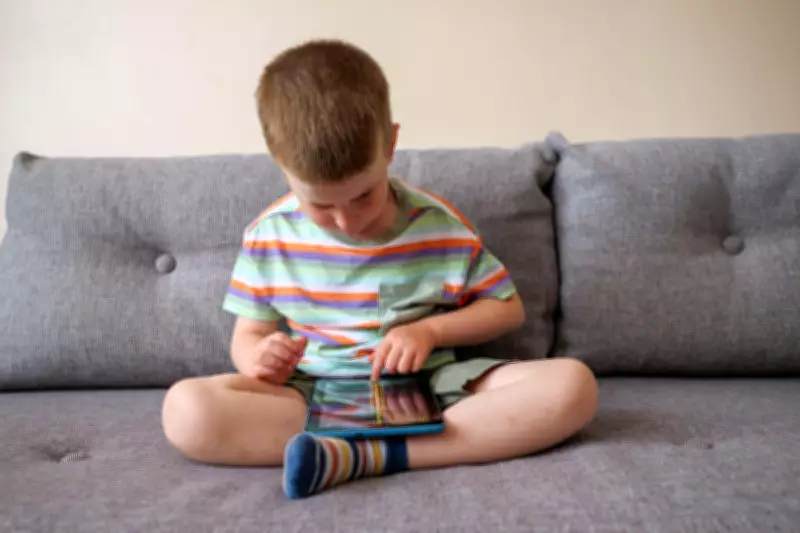
Parents across the United Kingdom are being advised to strictly limit screen time for children under five to no more than one hour per day under new official government guidance. The recommendations come as the government simultaneously considers implementing Australia-style measures that could potentially limit or even ban social media access for children under the age of sixteen.
Prime Minister Pledges Support for Parents
Prime Minister Sir Keir Starmer has vowed that his government will not leave parents to battle the challenges of digital parenting alone. He acknowledged the relentless nature of parenting in a digital world where screens are ubiquitous and advice is often contradictory.
"Parenting in a digital world can feel relentless," Sir Keir stated. "Screens are everywhere, and the advice is often conflicting. My Government will not leave parents to face this battle alone."

The Prime Minister added that while some would oppose these measures, he would always stand on the side of parents doing their best for their children, whether navigating technology, tackling the cost of living, or balancing family demands.
Detailed Recommendations for Different Age Groups
The comprehensive guidance provides specific recommendations for different age groups:
- Children under two: Screen time should be avoided except for shared activities that encourage interaction, such as video calls with family members.
- Children aged two to five: Parents should aim to limit screen time to one hour daily, with the advice noting that "less is possible."
For the limited screen time that two to five-year-olds do experience, families are advised to avoid fast-paced social media-style videos and toys or tools that utilize artificial intelligence. The guidance strongly recommends that bedtimes and mealtimes remain screen-free zones, suggesting alternatives such as background music, table games, bedtime stories, and coloring activities.
The Importance of Shared Screen Activities
The guidance emphasizes that watching screens with children and engaging in conversation about the content is significantly better for cognitive development than allowing solo screen use. Recommended shared activities include video calling friends and family or looking through photos together.
Professor Russell Viner, an adolescent health expert at University College London who helped develop the guidance, explained: "Too much solo screen time can crowd out the things that make the biggest difference – sleep, play, physical activity and talking with parents and carers."
Evidence-Based Concerns About Screen Time
The government has previously revealed that approximately 98% of children are watching screens daily by age two, with those experiencing the highest screen time showing measurable impacts on language development. A panel led by Children's Commissioner Dame Rachel de Souza and Professor Viner reviewed extensive evidence, finding that prolonged solo screen time negatively affects activities crucial for healthy development, including sleep, physical activity, creative play, and parental interaction.
Education Secretary Bridget Phillipson acknowledged the challenges parents face: "I know how hard it is to navigate parenting in a world full of screens. They're unavoidable, but it often feels impossible to tell whether you're getting the balance right."
Exceptions and Broader Recommendations
The panel noted important exceptions, stating that screen time limits should not be applied uniformly to children with special educational needs and disabilities who may rely on screen-based assistive technologies.
Additionally, the guidance recommends that parents consider their own screen use in their children's presence and establish screen-free periods for the entire family. This holistic approach aims to model healthy digital habits.

Connection to School Readiness Goals
The screen time guidance aligns with the government's target for 75% of children to be "school ready" by 2028, meaning they have reached key developmental milestones in areas like language and motor skills by the end of reception. Research from the Education Policy Institute has found that infants with the greatest screen time are significantly less likely to be regularly read to or go on outdoor trips.
Early years charity Kindred Squared has warned that increasing numbers of children arrive at school without basic skills needed for learning. More than half of teachers surveyed by the charity identified excessive screen time as a key factor in school unreadiness, with over one in four children reportedly attempting to tap or swipe books as if they were digital devices.
Professional Endorsement of the Guidance
Dr. Mike McKean, Vice-President for Policy at the Royal College of Paediatrics and Child Health, welcomed the guidance as crucial for protecting children's "short, but developmentally crucial early years." He noted that the growing emphasis on digital spaces has made childhood increasingly challenging for parents to navigate, forcing many to play "a dangerous game of catch up" in finding the right balance for their children.
The government hopes this clear, evidence-based advice will help families develop healthier relationships with screens and ensure children's readiness for formal education while supporting parents in making informed choices about digital consumption.