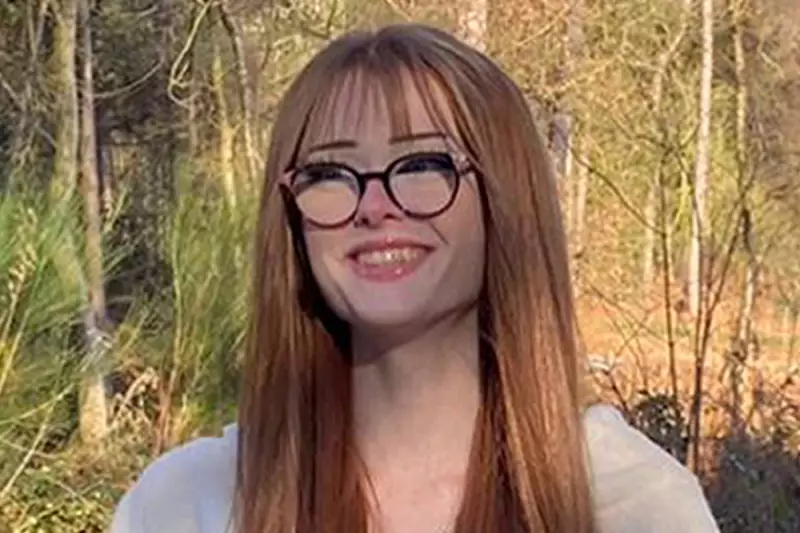
The mother of murdered teenager Brianna Ghey has made a powerful plea to Prime Minister Keir Starmer, urging him to support a ban on social media access for children under the age of 16. Esther Ghey believes such a move is crucial for protecting young people from the severe harms she says contributed to her daughter's struggles.
A Mother's Heartfelt Plea for Protection
In a poignant letter sent to party leaders Sir Keir Starmer, Kemi Badenoch, and Sir Ed Davey, Esther Ghey detailed her daughter's profound difficulties. She described Brianna, who was 16 when she was murdered by two other teenagers in 2023, as having a "social media addiction" and a desperate desire to become "TikTok famous".
Ms Ghey revealed she lived in constant fear about who her daughter was communicating with online. She directly linked Brianna's consumption of harmful online content to the escalation of her mental health crisis, stating it "significantly exacerbated" an eating disorder and self-harming behaviour.

Political Momentum and Opposition
This deeply personal intervention comes as the House of Lords prepares to debate a key amendment to the Children’s Wellbeing and Schools Bill. The proposed change would force social media companies to block under-16s from their platforms.
The amendment has already attracted significant support. The National Education Union (NEU) and 61 Labour MPs have written to the Prime Minister demanding "urgent action". NEU general secretary Daniel Kebede called it a "pivotal moment" and urged Sir Keir to show leadership by backing the ban.
However, at a press conference on Monday 19th January 2026, the Prime Minister stopped short of full endorsement. Sir Keir stated the government was "looking at a range of options" and that "no options are off the table". He confirmed he had discussed the policy with Australian Prime Minister Anthony Albanese, whose government implemented a similar ban last year.
Alternative Proposals and Charities' Warnings
Not all groups support a blanket ban. Over the weekend, a coalition of 42 child protection charities and online safety groups issued a joint statement warning that such a prohibition would not deliver the necessary improvements in child safety. They argued it would treat "the symptoms, not the problem".
Instead, these organisations advocate for strengthening the Online Safety Act to require platforms to enforce robust, risk-based age limits more effectively.
Baroness Hilary Cass, a paediatrician in the Lords, understands the charities' view but supports a precautionary approach. She believes it is better to "start on [the] presumption of a ban" and only permit apps proven to be safely developed, free from harmful algorithms targeting children. She expressed scepticism about relying on US tech giants to comply voluntarily with safety standards.
Meanwhile, the Liberal Democrats have proposed an alternative: introducing film-style age ratings for social media platforms, with some legally restricted to users aged 16 and over. Party leader Sir Ed Davey called this "a smart approach" that allows young people to benefit from social media while tackling its harms.
In her letter, Esther Ghey powerfully concluded, speaking for many bereaved parents: "No parent should have to live with the consequences of a system that failed to protect their child." The debate over how best to achieve that protection is now firmly at the centre of the political agenda.