House of Lords Approves Landmark School Smartphone Ban and Expansion Protection
The House of Lords has delivered a double victory for Conservative education policy by voting to implement a nationwide smartphone ban in schools and blocking Labour's proposed restrictions on successful schools expanding their pupil numbers.
Late-Night Legislative Session Sees Key Amendments Passed
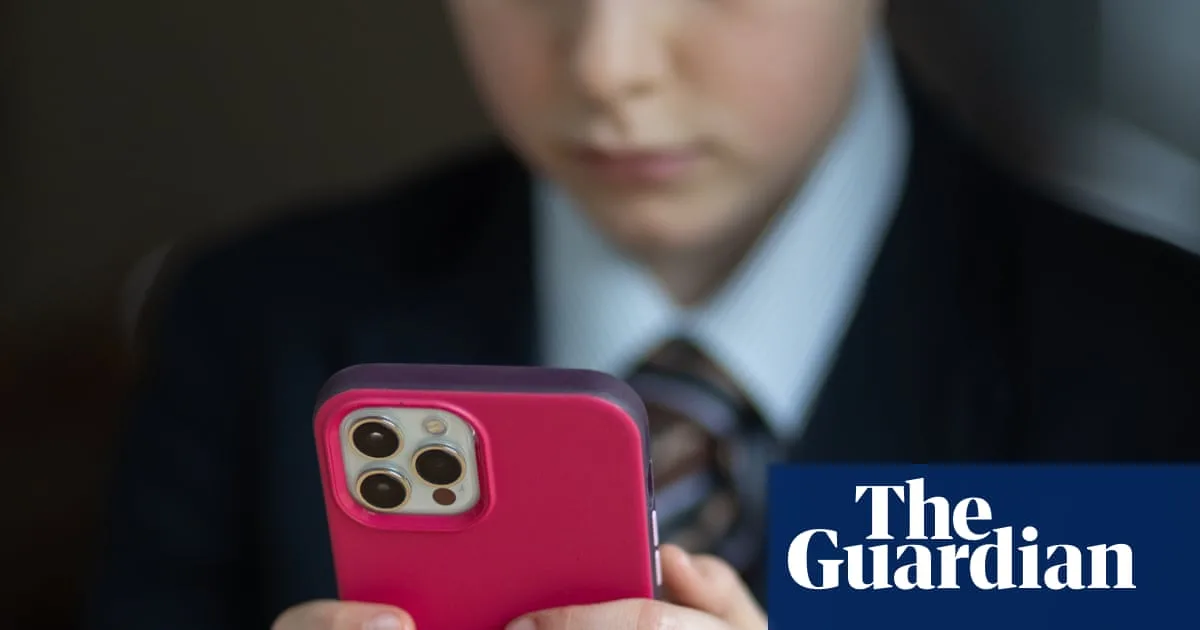
In a marathon session that stretched into the early hours of Wednesday morning, peers approved significant amendments to the Children's Wellbeing and Schools Bill. The first amendment mandates a comprehensive ban on smartphones during school hours across England, with potential exemptions for sixth-form students and medical devices. The second amendment prevents the schools adjudicator from ordering high-performing schools to reduce their admission numbers, effectively blocking Labour's plans to limit expansion of successful institutions.
Baroness Barran Champions Smartphone Restrictions
Former Conservative schools minister Baroness Barran, who introduced both amendments, delivered passionate arguments for the smartphone ban during the debate. She described smartphones as 'the gateway drug to social media' and highlighted numerous harms associated with their presence in educational settings.
'We should be in no doubt about the nature of the harms that are created by having smartphones in schools, and indeed on the bus to and fro,' Baroness Barran told the chamber. 'Photos taken without consent, and then sexualised via a nudification app that are then traded online. Exposure to live-streamed content, including children watching a live suicide on the bus home. And of course, endless potential for distraction.'
The peer noted that schools attempting to implement their own bans currently face resistance from 'a vocal, emotional and at times physically challenging minority of pupils and parents', making legislation necessary to support headteachers.
Conservative Amendment Protects School Expansion Rights
In a separate but equally significant move, peers approved a Conservative amendment that prevents the schools adjudicator from ordering schools to reduce their planned admission numbers. The original bill had granted this power, potentially allowing authorities to stop popular schools from expanding.
Baroness Barran argued against limiting successful schools, stating: 'The way to sort this out is not by requiring the most popular highest performing schools in an area to cut their pan. It pays no regard to the interests of children nor to the rights of parents to choose a higher performing school for their child.'
Cross-Bench Support and Opposition Response
The smartphone ban amendment passed with 178 votes to 140, receiving support from notable figures including former education secretary Baroness Morgan and former Ofsted chief Baroness Spielman. The vote followed sustained campaigning from headteachers and parents calling for government action on mobile devices in schools.
Labour maintained that changing the law was unnecessary, having instead issued non-statutory guidance on smartphone use in schools. However, a government poll from November revealed that only nine percent of secondary schools require pupils to hand in phones for the entire school day, with a mere five percent implementing complete bans.
Graphic Testimonies Highlight Digital Dangers
Conservative peer Lord Bethell, former manager of the Ministry of Sound nightclub, delivered a powerful comparison between smartphone access and adult entertainment venues. 'I don't give him methamphetamine, wizz or Es because they are addictive and would mess with his brain, as does TikTok and YouTube reels,' he said regarding his 11-year-old son.
Lord Bethell continued: 'My Lords, the toxic digital platforms are designed for adults and they are engineered for addiction, fraudsters, predators and I'm afraid they are screwing with too many of our children's brains.'
The debate heard from teenage campaigner Flossie McShea, 17, who described being exposed to phone videos of pornography and beheadings while at school, highlighting the urgent need for protective measures.
Parliamentary Process Moves Forward
Both amendments will now proceed to the House of Commons as part of the parliamentary 'ping-pong' process, where legislation moves between chambers until agreement is reached. The developments represent a significant shift in education policy that could reshape the school environment across England if ultimately passed into law.
Baroness Barran celebrated the vote on social media platform X, stating: 'This is so important. And it wouldn't have happened without the fact that head teachers and parents are saying enough.' The amendments reflect growing concern about digital wellbeing in education and parental choice in school selection.