Historic Grammar School Unveils 'Tutor-Proof' 11+ Exam to Tackle Tutoring Industry
A prestigious grammar school has launched a groundbreaking 'tutor-proof' 11+ examination system, aiming to shield children from what it describes as the 'insidious rise' of the private tutoring sector and to actively promote greater social mobility within education.
Redesigning the Entrance Test
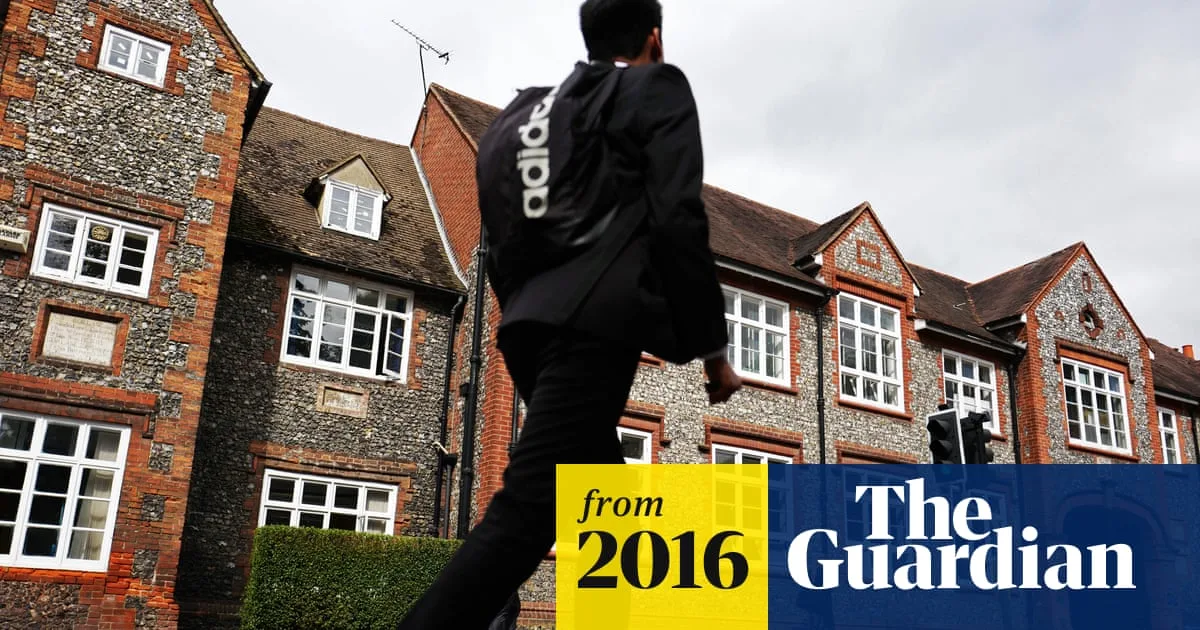
Chris Evans, the headmaster of the historic Reading School, has spearheaded this initiative. The newly designed exams are crafted specifically for 'the curious child' and intend to 'assess creativity' alongside 'knowledge already learnt in state schools up to Year 5'.
Developed by an offshoot of the school, these tests will eliminate traditional elements like verbal reasoning, which generations of pupils have been extensively coached for by costly private tutors. This new approach is now being rolled out to other educational institutions seeking similar reforms.
Shifting the Exam Season
In a significant calendar change, Mr Evans has moved the 11+ examination period from autumn to summer. He passionately argues that 'no 10-year-old child should be chained to a desk studying for their 11+'.
'We hope that we have saved some local children from a miserable summer of test preparation when they should be playing outdoors and having fun,' he stated. 'If we are lucky, each of us may enjoy 80 summers. The best of them should not be spent being tutored.'
Controversial Priority Entry System
These examination changes form part of a broader package of reforms, including a priority entry system designed to enhance opportunities for state primary school pupils. However, this has ignited a fierce backlash from certain local parents.
Critics have accused the school—which received over 1,000 applications for merely 150 places this year—of discriminating against private school pupils by 'effectively barring them from getting a place'.
Headmaster's Defence and Vision
Mr Evans robustly defended the policy, urging parents 'to get over their fear that their child had failed' if they did not secure a place at a specific school. He emphasised that grammar schools have a fundamental duty to ensure 'social mobility'.
The 900-year-old all-boys' institution, consistently ranked among the UK's top state schools, has since moderated its initial plans. It will now prioritise applications from up to 76 state schools, rather than the originally proposed 135, following complaints from hundreds of preparatory school parents.
Adapting to Parental Concerns
Mr Evans acknowledged that the volume of concerns necessitated adaptation. 'We understand that parents at private schools are worried but also they do have access to some more options,' he told the Mail on Sunday. 'There’s a parental fear of missing out if their child doesn’t go to this school or that school.'
Nevertheless, he asserted he would not be 'doing his job properly' if he did not explore 'what levers I could give to those who are local and those who are disadvantaged'.
National Influence and Wider Adoption
Mr Evans revealed that 'dozens of grammar schools' across the country are now considering similar measures. 'We want to do things that reverse that tutoring mentality or the grammar school or else mindset, and parents do need to get over that fear that a certain school is the only one,' he explained.
He concluded: 'A grammar school is overtly selective and if it selects for hope and creating social impact and social mobility then it is doing a good thing.'
Opposition from Private Education Sector
Caroline Townshend, Head of the nearby Crosfields School, has publicly criticised the plans, claiming they would 'limit fair access' and 'significantly reduce' the chances of privately educated children securing a place.
In a letter urging parents to voice their opposition, she argued it would mean children are no longer chosen on merit but solely based on their school background.
Parental and Insider Perspectives
One aggrieved parent contended that the new rules would 'effectively bar' children from preparatory schools because 'there would never be any places left for them'.
Meanwhile, insiders suggest Reading School's actions are partly a response to a surge in applications from parents who 'have been priced out of private schools because of VAT on school fees', indicating broader economic pressures influencing educational choices.