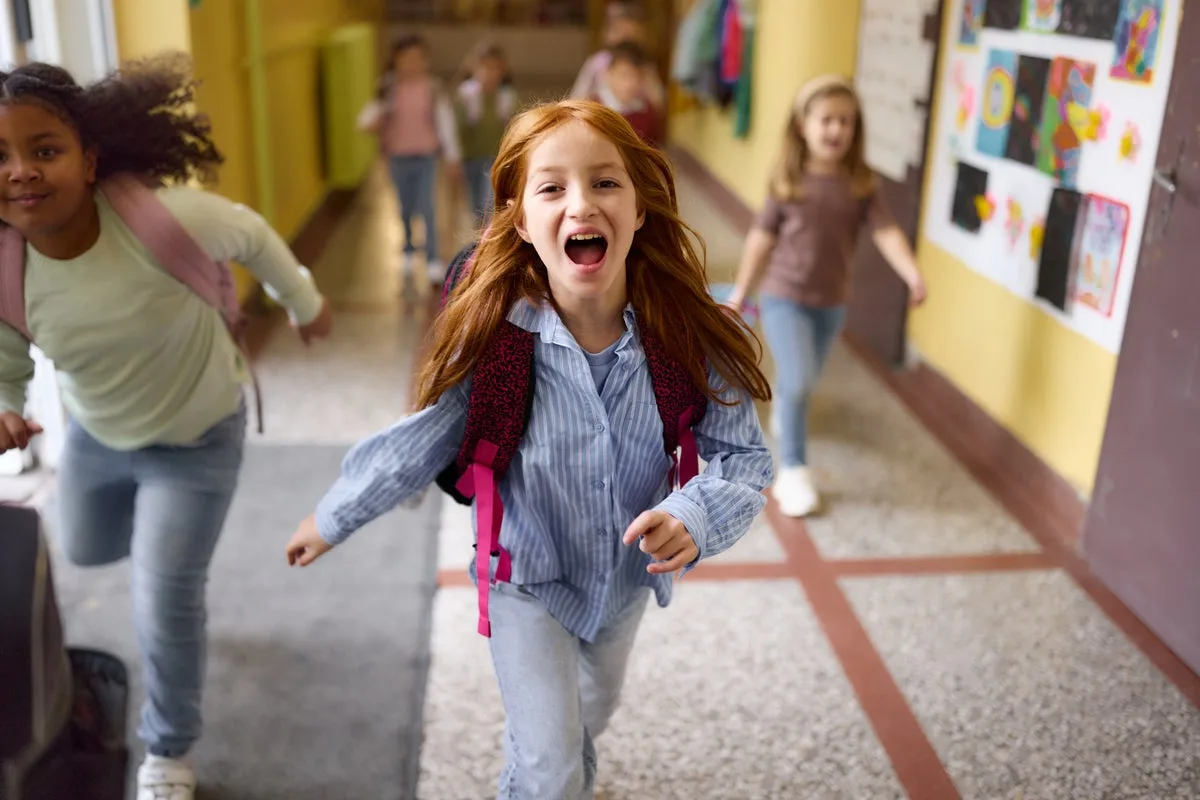
Norwegian Study Reveals Girls' School Happiness Linked to Biology and Friendships
Girls Happier at School Than Boys, Norwegian Research Finds

Norwegian Research Confirms Girls Experience Greater School Happiness Than Boys

The Independent's journalism is supported by our readers. When you purchase through links on our site, we may earn commission.

Groundbreaking research from Norway has provided scientific confirmation for what many educators and parents have long suspected: girls consistently report higher levels of happiness and wellbeing at school compared to their male counterparts.

Biological Factors Behind the Happiness Divide

According to the Norwegian University of Science and Technology study, this happiness gap may have deep biological roots. Researchers found that girls obtain more of the feel-good hormone dopamine through social relationships with friends and classmates. In contrast, boys typically derive their dopamine from more self-focused behaviours and require greater physical activity due to their higher testosterone levels.

"Long school days, sitting still, does not suit boys," explained Professor Hermundur Sigmundsson, who led the research team. "This fundamental biological difference helps explain why girls generally report better wellbeing within the school environment."

Comprehensive Study of Young Norwegian Students

The research team conducted an extensive investigation involving more than 1,600 Norwegian children aged between six and nine years old, spanning first through fourth grades. Students answered detailed questions about their friendships, perceived safety at school, overall wellbeing, and academic preferences.

The findings revealed several significant patterns:

  • Girls and younger students consistently reported greater wellbeing and stronger attachment to their classes
  • Happiness at school showed a direct correlation with having more friends
  • Enjoying school and feeling safe demonstrated strong interconnectedness

"We find a significant correlation between wellbeing and all the questions we asked," Professor Sigmundsson noted. "The connection between social relationships and school happiness appears particularly robust."

Academic Performance Perceptions and Realities

The research also examined how students perceived their academic abilities across different subjects. The findings revealed interesting gender-based patterns in both actual performance and self-assessment:

  1. Girls scored higher than boys in reading and science assessments
  2. Girls also believed they performed better in these subjects
  3. Boys maintained stronger beliefs about their mathematical abilities, though researchers found no actual gender difference in mathematics performance
  4. Physical education emerged as boys' favourite subject, though both genders reported similar perceptions of their performance in this area

One unexpected discovery was the weak correlation between positive feelings about reading and physical education, suggesting these academic areas might engage different aspects of student wellbeing.

International Context and Contrasting Findings

While the Norwegian research presents clear patterns, international data reveals more complex educational landscapes. Recent information from New York City showed that while girls outperform boys academically, they simultaneously report lower happiness levels at school.

Historical data from the United States presents additional nuances. Surveys spanning several decades indicate that American girls typically achieve higher grades and demonstrate greater school leadership, while boys show higher rates of disruptive behaviour and lower college aspirations.

"In the last 50 years, as girls have made gains, what we've seen is boys haven't made the same gains," observed Matt Englar-Carlson, who studies boys and men at California State University, Fullerton.

Practical Recommendations for Educational Improvement

Professor Sigmundsson offers concrete suggestions for enhancing student wellbeing across genders. He advocates for incorporating passion projects and increased physical activity into school curricula to better engage all students.

The research team plans to investigate how implementing these recommendations might affect schoolchildren's happiness and academic engagement in future studies. Their ongoing work aims to develop evidence-based strategies that address the biological and social factors influencing student wellbeing in educational settings.