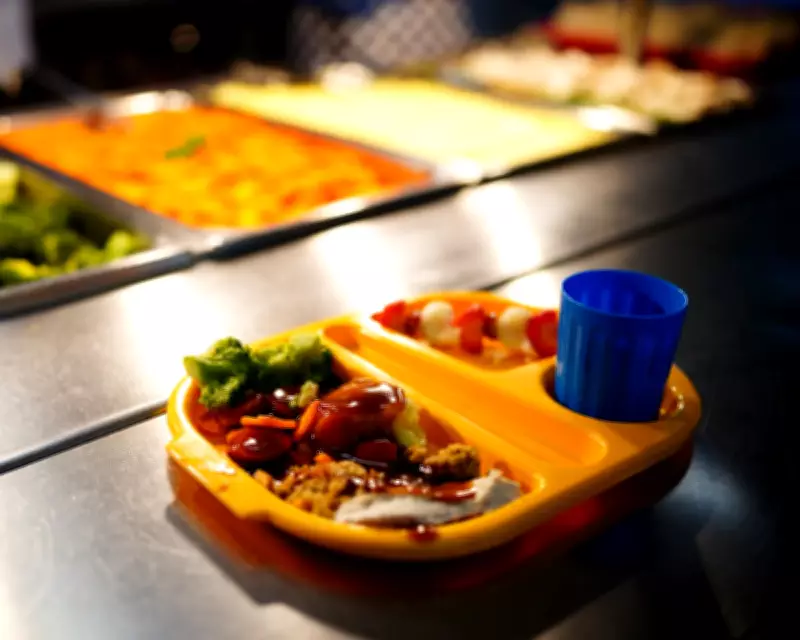
Pilot Trial Reveals Children Shun Healthier School Lunches in Favour of Packed Meals
A pilot of England's new school food standards has triggered a significant 15% decline in the uptake of meals, with children rejecting healthier options in favour of packed lunches, according to a caterer involved in the trial. The six-week study, conducted at Glebe primary school in Brighton, has sparked concerns that the government's well-intentioned proposals could inadvertently harm children's health by driving them towards less nutritious alternatives.
New Standards Ban Deep-Fried Foods and Sugary Puddings
The updated standards, which were launched with fanfare on Monday and endorsed by figures like Jamie Oliver and Emma Thompson, prohibit deep-fried items and sugar-laden desserts, promoting healthier alternatives instead. Luke Consiglio, chief executive of The Pantry, an education catering company that led the pilot on behalf of the Department for Education, acknowledged the positive intent behind the changes but issued a stark warning.
"Despite these good intentions, there's a real risk that this will actually have a negative impact on children's health," Consiglio stated. He reported that during the trial, children disliked the removal of popular items such as ham and cheese sandwiches, baked desserts, and cheese jacket potatoes, leading to the drop in meal uptake.

Packed Lunches Found to Be Less Nutritious
When Consiglio's team inspected a dozen packed lunches, every one contained crisps and a chocolate bar, highlighting the nutritional shortcomings of these alternatives. Additionally, catering costs increased by 20p per meal due to the use of more expensive ingredients, compounding the challenges faced by schools and caterers.
Consiglio, who also serves on the board of the School Food People, expressed concern that overly prescriptive standards could alienate parents and pupils. "By making standards more prescriptive and rigid, we could see many familiar and well-liked foods fall off daily menus and subsequently push away the very parents and children we're trying to support and attract with healthier options at mealtimes," he explained.
Funding Disparities and Compliance Issues Add to Concerns
Another caterer, Philippa Terry, whose company provides meals to 70 London primary schools, pointed out that the new standards fail to address the existing funding gap in the school meals sector. In England, the government allocates £2.61 per free school meal, rising to £2.66 in September, compared to higher rates in Wales (£3.40), Scotland (£3.30), and Northern Ireland (£3.10).
"The question we've been asking is why there is this disparity – that the other UK nations are able to fund their meals at a much-increased rate? The £2.61 doesn't come anywhere close to what the cost is," Terry remarked. She warned that without appealing food options, pupils, especially in secondary schools, might opt for packed lunches, leading to further declines in uptake and potential closures of catering companies.
Andy Jolley, a former governor and school food campaigner, raised issues about monitoring compliance, noting that without proper enforcement, the standards might be ignored. "It's positive that they are doing something, but unless there's proper monitoring it's not going to make any difference," he said, suggesting the need for an independent body to conduct checks.
Government Response and Success Stories
The government's proposals, currently under a nine-week consultation, promise a robust national enforcement system, with full details to be announced in September. Schools will be required to publish menus and food policies and appoint a lead governor responsible for school food.
A Department for Education spokesperson highlighted that the standards were tested with caterers, schools, and nutritional experts to ensure deliverability. "Throughout this process we found that many schools across the country are already creating affordable, delicious meals that meet these standards, with some seeing increases in uptake of up to 220% following improvements to the menu," the spokesperson said, adding that a phased approach will allow caterers time to adapt.

Russ Ball, head chef at Pokesdown community primary school in Bournemouth, shared a success story, noting that uptake of school dinners tripled during his five-year tenure. "I've always believed that great school food doesn't have to cost the earth – by cooking seasonally from scratch and buying smart, we serve over 300 fresh, nutritious and delicious meals that the children love every day, within budget," he stated.
This pilot underscores the delicate balance between promoting health and maintaining appeal in school meals, with ongoing debates over funding and implementation likely to shape the future of England's school food standards.