Cambridge University Uncovers Rare Botanical Archive That Inspired Charles Darwin
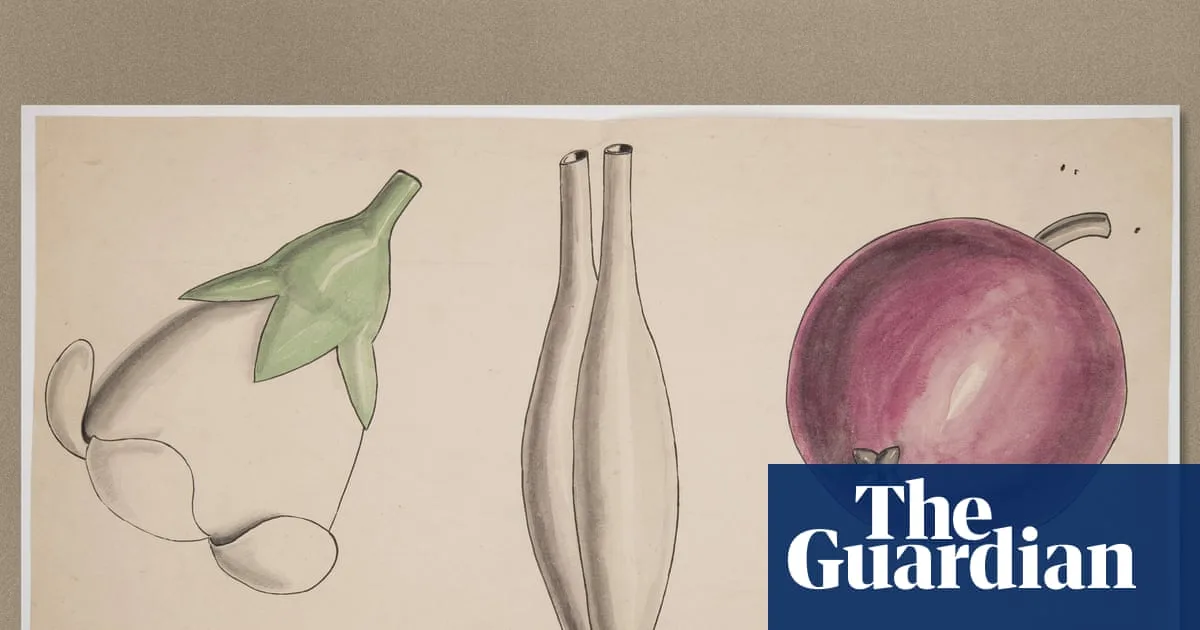
For the first time in nearly two centuries, fragile plant specimens, ink drawings, and watercolour illustrations created by Professor John Stevens Henslow, the mentor of Charles Darwin, have been unearthed from an archive at Cambridge University. These materials, which include some of Henslow's earliest botanical illustrations, will now be used to teach a contemporary botany course, reviving the pioneering methods that qualified Darwin for his historic voyage on HMS Beagle.
Henslow's Groundbreaking Teaching Methods
John Stevens Henslow, an Anglican clergyman and natural theologian, believed that studying plants could reveal divine wisdom. He closely observed variations within plant species to document what he saw as the magnificence of creation. In 1827, he began offering an annual botany course at Cambridge, designing illustrations and collecting specimens to support his teaching. When Darwin arrived in Cambridge in 1828, he became one of the first students to attend Henslow's innovative five-week programme.
Dr Raphaella Hull, acting head of learning for Cambridge University Botanic Garden (CUBG), explained, "When Darwin came to Cambridge, he studied botany formally for the first time. He enjoyed Henslow's course so much that he took it three years in a row. Henslow introduced him to the concept of variation, laying the foundation for Darwin's later theory of evolution." Henslow's approach included hands-on techniques such as field excursions into the Cambridgeshire fens, where students learned to identify, categorise, and collect plants while observing environmental adaptations.
Reviving a Lost Tradition in Botany Education
Cambridge University Botanic Garden is launching a four-week summer course in botany aimed at undergraduate and postgraduate students, researchers, and professionals in fields like ecology and conservation. This course will utilise Henslow's original teaching materials and methods, including field trips to habitats Darwin visited. Professor Sam Brockington, CUBG curator, noted that botany has largely disappeared as a stand-alone undergraduate degree in the UK, creating a significant gap in plant science education.
"We designed what we felt was the ideal four-week immersive programme in botany, and when we compared it with the curriculum that Henslow taught in Cambridge in the 19th century, the overlap was remarkable," said Brockington. "In many ways we are not just drawing inspiration from that tradition, we are reviving the spirit of Henslow himself." The course aims to address the lack of foundational skills in plant morphology and diversity among modern students.
The Enduring Legacy of Henslow and Darwin
Henslow's influence on Darwin was profound; Darwin later described him as having "influenced my whole career more than any other" and praised him as "a better man never walked this Earth." In 1831, when Captain Robert Fitzroy of HMS Beagle offered Henslow the role of naturalist, Henslow declined and recommended the 22-year-old Darwin instead. Throughout his voyage, Darwin sent specimens back to Henslow, maintaining a lifelong friendship.
Dr Hull highlighted the importance of Henslow's methods: "It's the fullest, most complete way to teach botany. You have to get your hands on the material. You have to go and see it in the field... you pull apart the material, you dissect it, you see how it smells, you see it in its natural habitat." She emphasised that in an era of biodiversity loss and climate change, understanding plant species and habitats is essential for scientific progress.
Professor Brockington added that Henslow's use of illustrations was ahead of its time, likening it to modern PowerPoint presentations. He hopes the new course will inspire students by connecting them to this rich historical legacy, stating, "It's like standing on the shoulders of giants." This initiative not only honours Henslow's vision but also seeks to fill the educational gap he identified two centuries ago, reaffirming botany as a foundational science for future discoveries.