Bari Weiss Cancels UCLA Lecture Amid Security Concerns and Free Speech Controversy
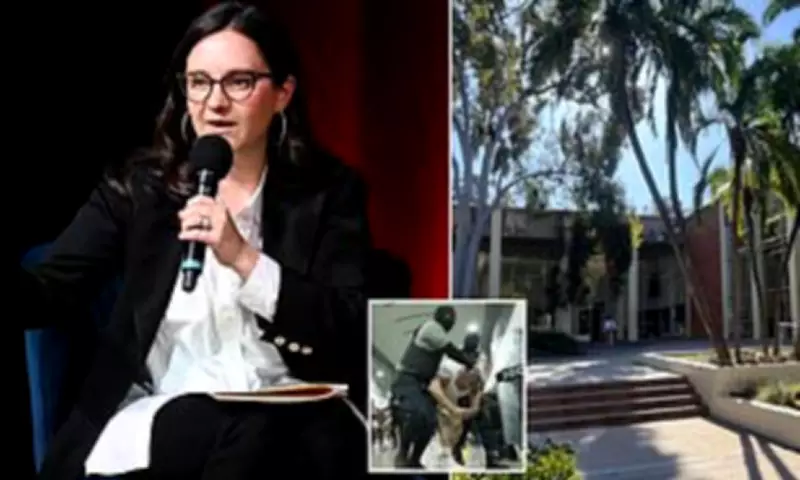
CBS News editor-in-chief Bari Weiss has abruptly withdrawn from delivering the annual Daniel Pearl Memorial Lecture at the University of California, Los Angeles, citing significant security concerns. This decision comes despite Weiss's well-established public persona as a staunch advocate for free speech on university campuses, sparking accusations of hypocrisy from critics.
Event Cancellation and University Response
Weiss was scheduled to speak on 'The Future of Journalism' at UCLA's Schoenberg Hall on February 27. However, her team pulled out just days before the event, even though the university had offered additional security measures. A source familiar with the program confirmed this to the Los Angeles Times, noting that the withdrawal appeared directly linked to anticipated major student protests and vocal opposition from university staff.
The Burkle Center for International Relations and the International Institute at UCLA had expressed strong objections to Weiss's participation. Associate director Margaret Peters reportedly threatened to resign if the lecture proceeded, arguing that Weiss uses free speech advocacy as a shield to attack left-leaning critics and that hosting her would legitimize these actions.

Petition and Political Backlash
Close to 11,000 people signed a petition urging UCLA to cancel the lecture, according to the Daily Bruin. The petition cited Weiss's alleged ties to the Trump administration and her controversial decision to pull a 60 Minutes episode about deportees in El Salvador. Peters further criticized the invitation, stating, 'To invite somebody who is working against that mission in highly powerful places just seems like anathema to the university mission.'
It remains unclear whether Weiss will conduct the lecture virtually. Her last-minute withdrawal has intensified debates about free speech, security, and ideological conflicts on liberal-leaning campuses like UCLA.
Weiss's Background and Previous Controversies
Bari Weiss first gained national attention in 2020 when she resigned from The New York Times as an opinion journalist, claiming she was bullied for her conservative views. In a 1,500-word resignation letter, she alleged she was called a 'Nazi and a racist' and accused the paper of abandoning its commitment to free speech, with Twitter effectively acting as its editor. She wrote, 'The truth is that intellectual curiosity - let alone risk-taking - is now a liability at The Times,' adding that self-censorship had become the norm.
Less than a year later, Weiss founded The Free Press, a platform she said would reject the ideological bias of mainstream media and champion fearless, independent journalism. The media company was sold to Paramount for $150 million in October, with Weiss stepping into the role of CBS News editor-in-chief.
Recent Scrutiny and Professional Decisions
Just two months into her role at CBS News, Weiss's commitment to independent journalism was questioned after she pulled a 60 Minutes report on Venezuelan immigrants sent to a harsh El Salvador prison by the Trump administration. She stated she would not run the piece without an on-the-record comment from a member of the administration, a move critics labeled as politically motivated censorship aimed at appeasing the president.
Some observers pointed out that Paramount's purchase of The Free Press required approval from the Federal Communications Commission, which is overseen by a Trump appointee. Critics accused the network of shifting right politically and hiring Weiss in a top position to facilitate this change.
Weiss on Free Speech and Campus Culture
Last year, Weiss spoke at an event focused on the 'future of free speech on college campuses,' where she briefly addressed her New York Times resignation. She remarked, 'I still know quite a lot of people that work there, and the kind of distortions that they need to indulge in in order to keep their jobs is painful.'

After viewing a documentary on 1964 campus political protests, Weiss declared the United States is experiencing an 'epidemic of cowardice,' arguing that fear of being canceled and facing reputational damage has pushed people to suppress their opinions. She emphasized, 'Free speech is not just about the right to speech. It's about refusing to go along with compelled speech.'
The Daily Mail has approached CBS News and Bari Weiss for comment on the UCLA lecture cancellation, but no response has been provided at this time. This incident underscores ongoing tensions between free speech advocacy, campus security, and ideological divisions in American higher education and journalism.