Australian universities are facing a crisis, with federal and state government inquiries highlighting serious issues in governance, financial transparency, and managerial decision-making. Pressure is mounting on university leadership, particularly vice-chancellors, whose high salaries are under scrutiny. Some executives are now suggesting that their 'social licence' may require them to accept more average wages.
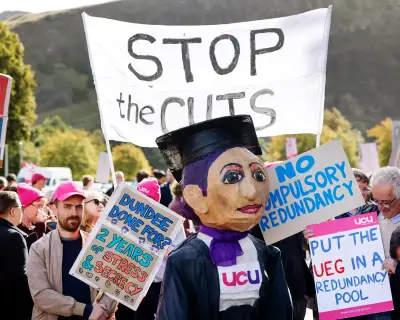
This comes amid relentless staff cuts for both professional and academic staff, with Safework NSW issuing 'stop work' orders in some cases due to 'psychological harm'. Students are also struggling, facing unaffordable housing, growing intergenerational inequality, and rising student debt, all while the threat of AI looms over future employment.
The crisis has been decades in the making. Changes to the global economy in the 1970s led to austerity measures in many industries, often disguised as 'working smarter'. By the late 1980s, the federal government consolidated higher education institutions, expanded enrolments, and shifted the workforce towards white-collar professions. University enrolments more than doubled worldwide after 2000, and the number of managers grew rapidly.
Universities became big and complex, and management was asked to make decisions in response to complex 'levers' of incentives and disincentives. This market-making turned higher education into a business. Fans of managerialism argued the old ways were 'ossified', but this put bosses at odds with academics, who sought to do their jobs well while bosses pursued austerity. Management salaries surged even as other workers' wages stagnated.
The marketisation of education began in the early 1980s when universities started advertising. This skewed the mission of universities from teaching and learning relationships to a set of metrics to be gamed. History shows that things were not always like this, and change is possible, but unwinding these systems will take effort.