Nine in 10 parents in the UK support banning social media for under-16s, according to a new survey, but the children who would be affected have more divided opinions. A government consultation on children's online safety, due to report next week, is expected to introduce age limits for high-risk platforms and restrictions on features such as livestreaming, autoplay, and infinite scrolling.
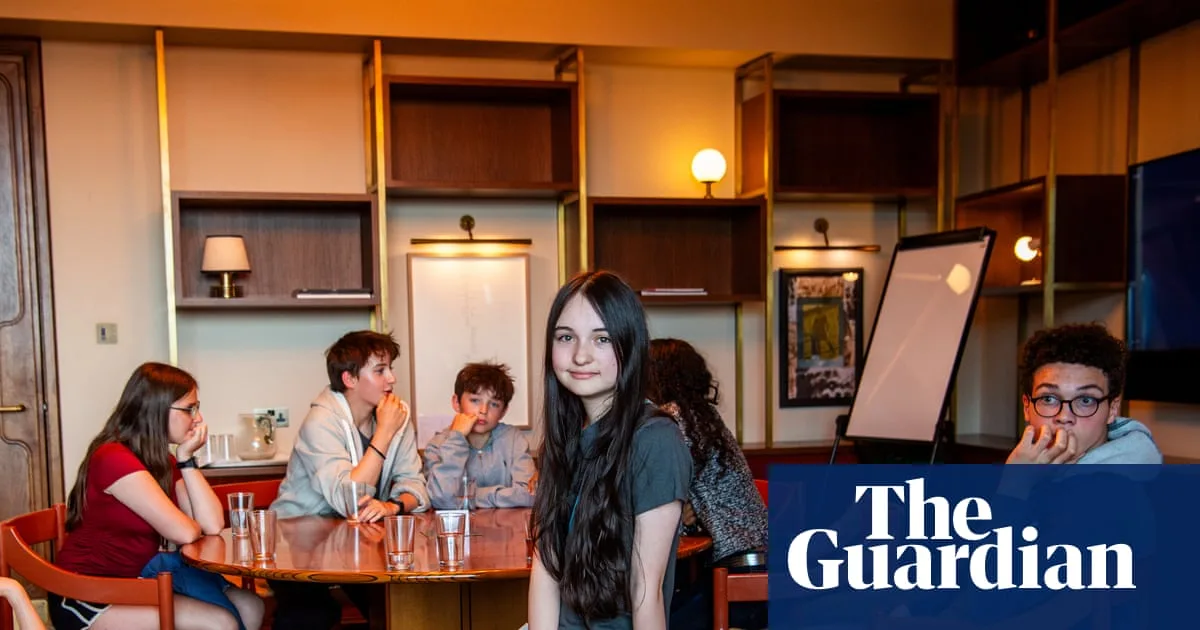
A group of 12- to 16-year-olds in west London told the Guardian their views ranged from mandatory time limits to tougher controls and a full ban. Precisa, 13, who runs a deodorant business using TikTok and Instagram for marketing, said a blanket ban was not the answer. She argued for better monitoring of harmful content and screen-time limits instead, noting that many people post inappropriate things even on TikTok.
Zoe, 14, whose parents restrict her to Snapchat and WhatsApp, said she did not support a ban because parental controls are sufficient. She also expressed concern about personalised algorithms, describing them as an invasion of privacy, a topic the consultation is considering.

The 12-year-olds in the group were particularly attached to YouTube, which they use for music, art, tennis highlights, and football influencers. Sophia, 12, said she would “miss a lot of things” if YouTube were blocked for under-16s, while Milei, 12, said she would prefer the government not to be “too drastic”. Accurisa, also 12, supported a ban on watching unsafe material but said she would definitely sign up for apps like TikTok at 16 if she had to wait.
Kit, 12, who watches tennis highlights with his brother, backed a full ban like Australia's, saying social media is addictive and can damage friendship and mental health. His brother Xander, 14, disagreed, citing educational benefits, but said parents should do more to manage their children's use. He warned that a sudden crackdown would likely be circumvented by young people, as has happened in Australia.