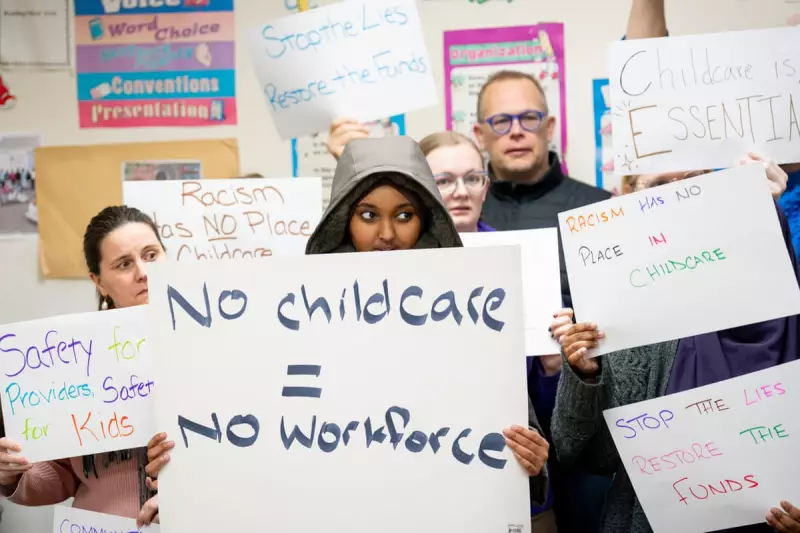
Trump Administration Freezes Childcare Funding, Sparking National Concern
The Trump administration has announced a significant freeze on federal childcare funding, a move that has sent shockwaves through communities and ignited widespread debate about the future of family support in the United States. This decision, effective immediately, halts the allocation of critical financial resources that many families rely on to afford essential childcare services. The freeze is part of a broader policy shift aimed at restructuring government spending, but critics argue it could have devastating consequences for working parents and low-income households.
Implications for Families and Childcare Providers
The funding freeze is expected to impact millions of families who depend on federal subsidies to cover the high costs of childcare. Without this financial assistance, many parents may be forced to reduce work hours, seek alternative care arrangements, or even leave the workforce altogether. Childcare providers, particularly those in underserved areas, are also bracing for a sharp decline in revenue, which could lead to closures and reduced capacity. This could exacerbate existing shortages in the childcare sector, making it even harder for families to find reliable and affordable options.
Political and Social Reactions
The decision has drawn swift condemnation from advocacy groups, Democratic lawmakers, and some Republican critics who warn that it undermines efforts to support working families and promote economic stability. Proponents of the freeze argue that it is a necessary step to curb government spending and encourage more efficient use of resources. However, opponents highlight that childcare is a crucial component of economic productivity, enabling parents to participate fully in the labour market. The debate is likely to intensify as the effects of the freeze become more apparent in the coming months.

Broader Context and Future Outlook
This move comes amid ongoing discussions about the role of federal government in supporting childcare and early education. The freeze raises questions about long-term strategies for addressing childcare affordability and accessibility in the United States. Experts suggest that without federal support, states and local governments may need to step in, but this could lead to uneven outcomes across regions. As the situation unfolds, stakeholders are calling for a reevaluation of policies to ensure that families are not left without vital support during a time of economic uncertainty.