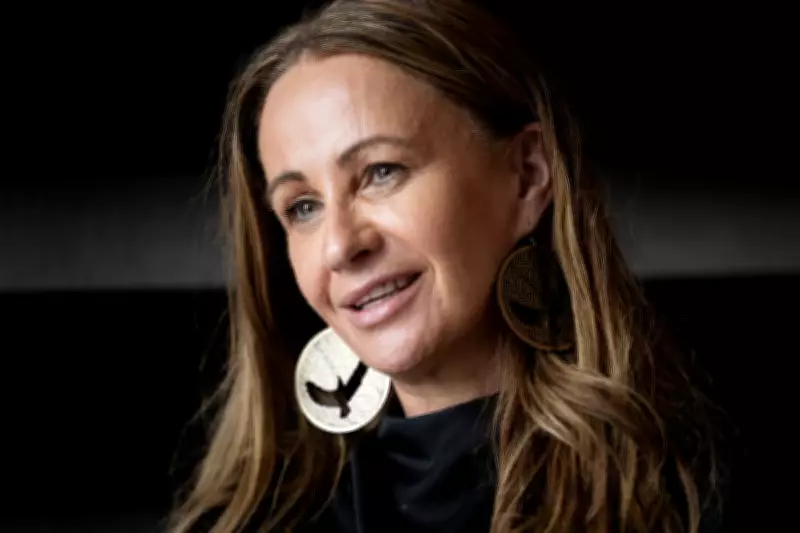
Sue-Anne Hunter: A Reluctant Leader with Unwavering Resolve
Sue-Anne Hunter, the inaugural First Nations children's commissioner, describes herself as a "reluctant leader", yet her journey from high school dropout to Harvard graduate fuels a fierce commitment to accountability for Australia's treatment of Indigenous peoples. Appointed in August, she carries the stories of thousands of children, but one Aboriginal boy's tragic path—from child protection removal to youth detention, adult prison, and ultimately death in custody—motivates her daily. "It drives me to keep his name alive and know that he did not die in vain," Hunter says, emphasizing that legislative changes must honor his memory.
Confronting Soaring Rates of Disadvantage
Based in Canberra, Hunter's role involves meeting vulnerable children nationwide to advocate for policy reforms. Her priorities address alarming statistics: Indigenous children are up to 12 times more likely to be in out-of-home care than non-Indigenous peers, and over 60% of youth in custody are Indigenous, detained at 20 times the rate of others. "You can't do that work and not be changed," she reflects, having witnessed children in detention, care systems, hospitals, and prisons. Hunter stresses that every decision by policymakers must consider these vulnerable lives, as "you never know where these kids will end up."
From Broadmeadows to Harvard: A Legacy of Survival
Growing up in Broadmeadows, Melbourne, Hunter dropped out of high school due to dyslexia but later excelled academically. She worked as a child protection caseworker, earned degrees from La Trobe University and Harvard, and was mentored by experts like trauma scholar Bruce Perry and Aboriginal leader Aunty Muriel Bamblett. "I feel blessed that I've had these amazing people around me," she notes, acknowledging her surreal rise. Her heritage as a Wurundjeri and Ngurai Illum Wurrung woman—descended from one of 13 survivors post-colonization—imbues her with a legacy of resilience. "For me, there's this legacy of survival and adaptation I carry every time I walk into a room," she explains.

Building Trust and Demanding Courage
Despite her background and previous role on Victoria's Yoorrook Justice Commission, Hunter remains humble about leadership. She focuses on fostering relationships with First Nations communities, sector organizations, and politicians to amplify children's voices. "Our kids are being removed, our kids are being locked up, our kids are dying from diseases they shouldn't be—and that's why we're here," she asserts. Hunter condemns systemic racism and injustice, arguing that awareness compels action. "Once you know, how do you be human and step away from that? You can't," she says, adding that courage stems from honoring those lost.
A Vision for Obsolete Commission
Hunter's ultimate dream is for the commission to become unnecessary, achieved when every First Nations child is safe, supported, and thriving. "I'm hoping eventually we do ourselves out of the job, and we don't need it," she states, envisioning a future where Indigenous children no longer face disproportionate hardships. Through relentless advocacy, she aims to transform policies, ensuring that stories like the boy she remembers lead to lasting, honorable change.