Venezuela's Amnesty Law Faces Opposition and Skepticism Over Implementation
Venezuela has enacted a new amnesty law, but the response from opposition members, prisoners' rights groups, and families of long-term political detainees has been notably chilly and mixed. The measure, signed into law by acting President Delcy Rodríguez on Thursday, is expected to free hundreds of activists and human rights defenders, yet it has sparked debate over its scope and fairness.
Mixed Reactions to the Amnesty Measure
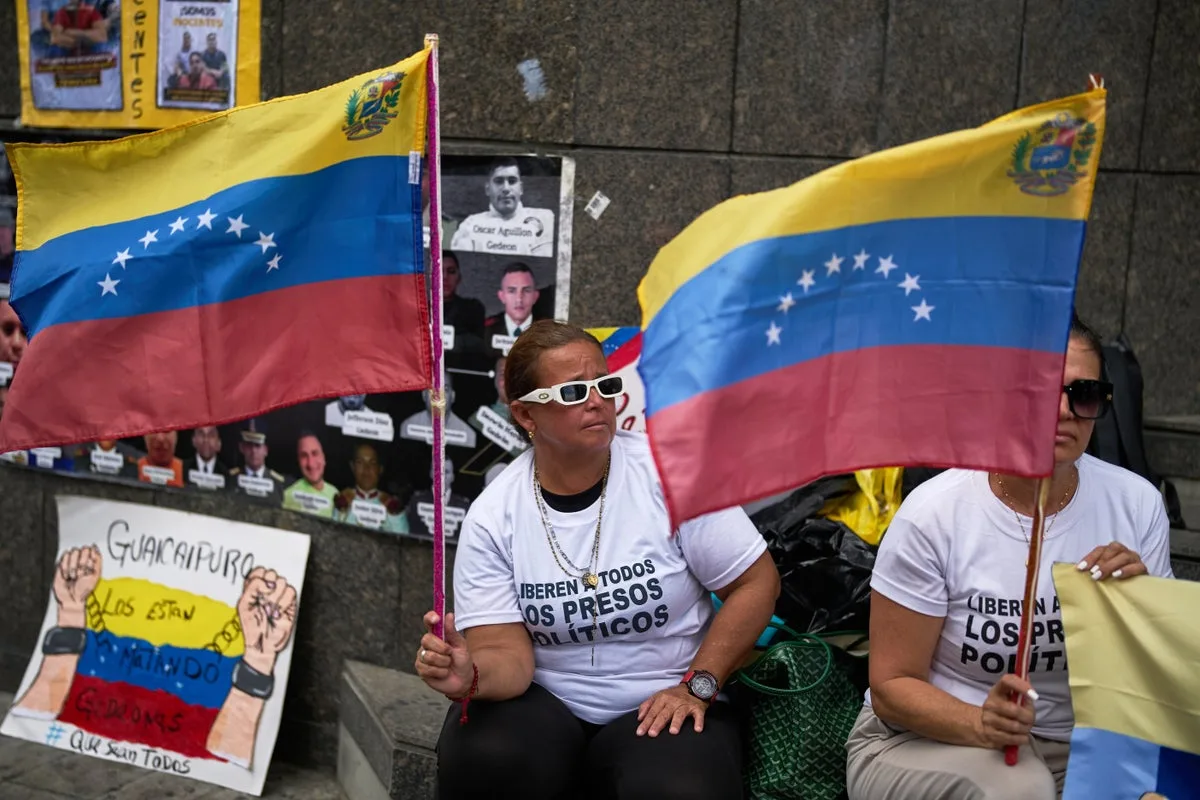
Some view the law as a small but significant victory for the thousands targeted during the ruling party's 27-year tenure, offering hope for those unjustly imprisoned. However, others consider it a mockery of the pain endured by families and individuals behind bars, particularly due to exclusions such as members of the military. This policy shift follows last month's stunning U.S. military raid in Caracas to capture then-President Nicolás Maduro, signaling a potential change in Venezuela's political landscape.
During the signing ceremony, Rodríguez stated that the law demonstrates leaders are "letting go of a little intolerance and opening new avenues for politics in Venezuela." This marks a departure from decades of denial by Venezuelan authorities regarding the existence of political prisoners.
Concerns Over Judicial Oversight and Exclusions
Under the new law, trial courts must approve each amnesty request within 15 days, but this requirement for judicial oversight has fueled skepticism. Alfredo Romero, president of the Venezuela-based prisoners' rights group Foro Penal, expressed doubts, noting that the same judges and prosecutors who have unjustly accused people are now tasked with interpreting the law to grant benefits. He emphasized that the law is not a prerequisite for releasing prisoners, as the government has already freed 448 individuals since January 8.
The bill aims to grant a general and full amnesty for crimes committed during specific periods since 1999, including politically driven conflicts and acts of violence around the 2024 presidential election, which led to protests and over 2,000 arrests, including minors. However, it excludes those convicted of human rights violations, war crimes, murder, drug trafficking, or corruption, and denies relief to individuals involved in armed actions against Venezuela by foreign entities.
Impact on Opposition and Exiles
This exclusion could affect opposition figures who have supported U.S. President Donald Trump's policies toward Venezuela, such as Nobel Peace Prize laureate María Corina Machado. The law does allow people living in exile to seek amnesty through a lawyer, removing the need to return to Venezuela in person, and provides protection from arrest upon return for court rulings.
Magalli Meda, Machado's 2024 campaign manager, who is in exile, rejected the law on social media, questioning who can truly be free under its terms. She accused the government of trying to whitewash its image and act with impunity, aiming for a country of "slaves and accomplices."
Foro Penal estimates that more than 600 people are in custody for political reasons, highlighting the ongoing challenges of political persecution in Venezuela despite this new legal framework.