Exclusive: The Unsung Women of the Nuremberg Trials Revealed After 80 Years
When we reflect on the Nuremberg Trials, the historic proceedings that brought Nazi leaders to justice after World War II, the stories often centre on men. However, a groundbreaking new book is shining a light on the absolutely vital contributions of women, whose brilliance and courage have been overlooked for decades.
Uncovering Hidden Histories
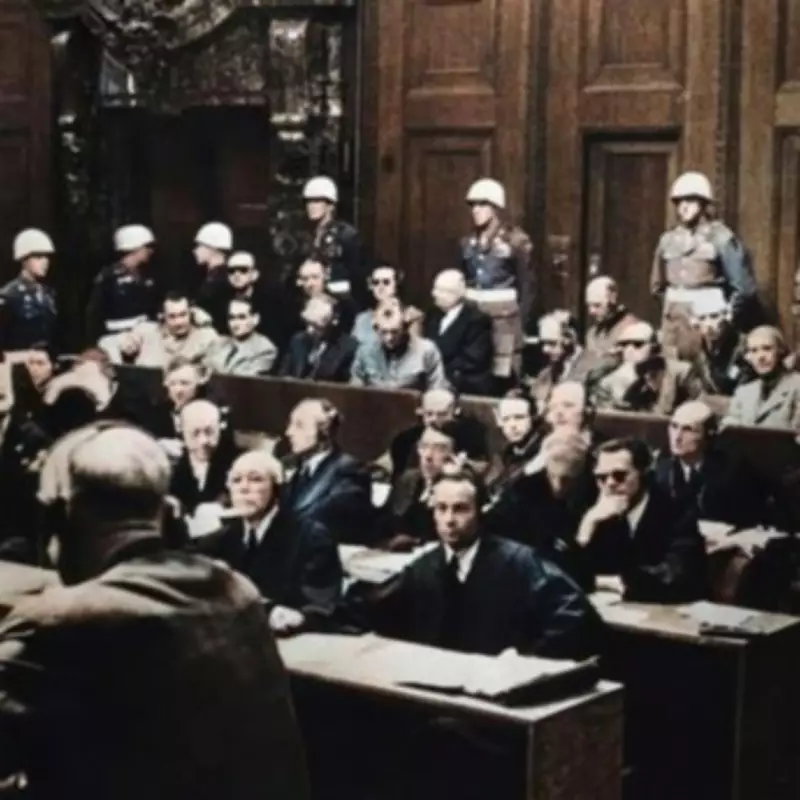
Inspired by Dame Laura Knight's famous painting of Courtroom 600, which depicts a sea of men at the trials, historian Natalie Livingstone embarked on a mission to uncover the pivotal roles women played. Her book, The Nuremberg Women, reveals how these individuals were instrumental in the process that tried 199 defendants, convicted 161, and sentenced 37 to death, including Hermann Goring, Hitler's deputy.
Livingstone explains, "When we think about the Nuremberg trials, it's a story about men, of men, for men, by men. Yet so many women were absolutely crucial." One key figure was Harriet Zetterberg, a brilliant American lawyer who helped build the case against Hans Frank, the Butcher of Poland, responsible for 4 million deaths. Despite her expertise, as a woman, she was barred from advocating in court, a restriction noted as a "disability" at the time.

Heroic Testimonies and Resistance
Another standout is Marie-Claude Vaillant-Couturier, a fearless French resistance fighter and photojournalist. Arrested by the Gestapo and sent to Auschwitz, she survived and delivered two hours of devastating testimony at the trials on January 28, 1946. Her calm, detailed account of concentration camp horrors transformed the proceedings from a sterile legal event into a human story, breaking the shocking truth of the Holocaust to the world.
Livingstone also highlights Ingeborg Kalnoki, a Hungarian countess who managed The Witness House in Nuremberg, hosting both Nazi perpetrators and Holocaust survivors in an unimaginable setting. Her diary, later published as a book, offers a rare female perspective from that era.
Journalistic Courage and Legacy
Erika Mann, a German journalist and daughter of Nobel Prize-winning author Thomas Mann, used her platform to fight Nazism. Exiled from Germany, she reported from the front lines and wrote powerful articles, including one where she met 53 imprisoned Nazis before the trials. Her work captured the anger and determination to hold those responsible accountable.
Livingstone's research involved visiting Courtroom 600 and the villa that housed female journalists, which had only one urinal compared to the castle accommodations for men. She emphasizes the importance of recognizing these women's contributions, stating, "I went to see the villa... it's hard to find the words to describe the weight of the pure evil that was in the room."
This book not only honors these women but also challenges the historical narrative, ensuring their stories are remembered as essential to the pursuit of justice after one of humanity's darkest chapters.