UN Report Warns of Widening Gap Between Rich and Poor Nations
A United Nations report has concluded that the disparity between affluent and impoverished nations is growing even wider. This alarming trend persists as commitments made by numerous countries last year, including comprehensive reforms of major global financial institutions, remain largely unfulfilled promises.
Seville Commitment and Unmet Pledges
The report evaluates the blueprint adopted in Seville, Spain, in June of last year, which aimed to narrow the financial divide and achieve UN development goals for 2030. It was released just ahead of next week's spring meetings in Washington, involving the International Monetary Fund and the World Bank—the primary global institutions tasked with promoting economic growth.
At the Seville conference, leaders from many of the world's nations, though notably not the United States, unanimously adopted the Seville Commitment. This agreement targeted closing the staggering $4 trillion annual financing gap for development. It called for increased investments in developing countries and significant reforms to the international financial architecture, including the IMF and World Bank.

Geopolitical Tensions and Economic Outlook
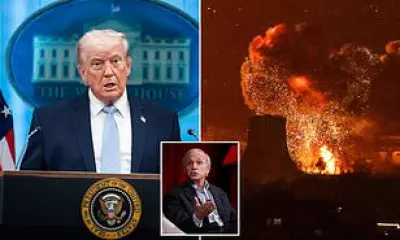
Kristalina Georgieva, the managing director of the IMF, indicated that the institution had been prepared to upgrade global growth projections. However, the ongoing conflict in Iran has now darkened the outlook for the world economy, further complicating efforts to bridge the gap.
Li Junhua, the UN undersecretary-general for economic and social affairs, emphasized that geopolitical tensions are compounding the struggles of developing nations to attract essential financing. He stated, "This is an extremely perilous time for international cooperation, as geopolitical considerations are increasingly shaping economic relations and financial policies."
Rising Barriers and Climate Shocks
The report also highlighted rising trade barriers and repeated climate-related shocks as additional factors contributing to the growing divide. Specifically, it noted that tariffs—including those imposed by the Trump administration—have had a major impact on developing countries.
Average tariffs on exports from the world's poorest nations surged dramatically from 9% to 28% in 2025. For developing countries, excluding China, average tariffs increased from 2% to 19%, placing further strain on their economies.
Criticisms of Financial Institutions
UN Secretary-General António Guterres has repeatedly called for major changes to the IMF and World Bank. He argues that the IMF has disproportionately benefited wealthy nations instead of poorer ones, while the World Bank has failed in its mission, particularly during the COVID-19 pandemic. This crisis left dozens of countries deeply indebted, exacerbating existing inequalities.
Guterres's criticisms resonate with outside observers who point to frustration in developing countries over the dominance of the United States and its European allies in decision-making at these financial institutions.
Declining Development Assistance
The UN report on implementing the Seville Commitment described it as "the best hope" to close the widening financial gap. However, in 2025, Li reported that 25 countries decreased their development assistance to poorer nations, leading to a 23% overall drop from 2024. This marks the largest annual contraction on record.
The most significant decline—a staggering 59%—came from the United States. Based on preliminary data, Li anticipates a further decline of 5.8% in 2026, indicating a troubling trend of reduced support for global development efforts.
As the international community prepares for crucial meetings, the UN report underscores the urgent need for action to address these deepening disparities and fulfill the promises made in Seville.