UN Landmark Vote on Slavery: A Global Push for Reparative Justice Gains Momentum
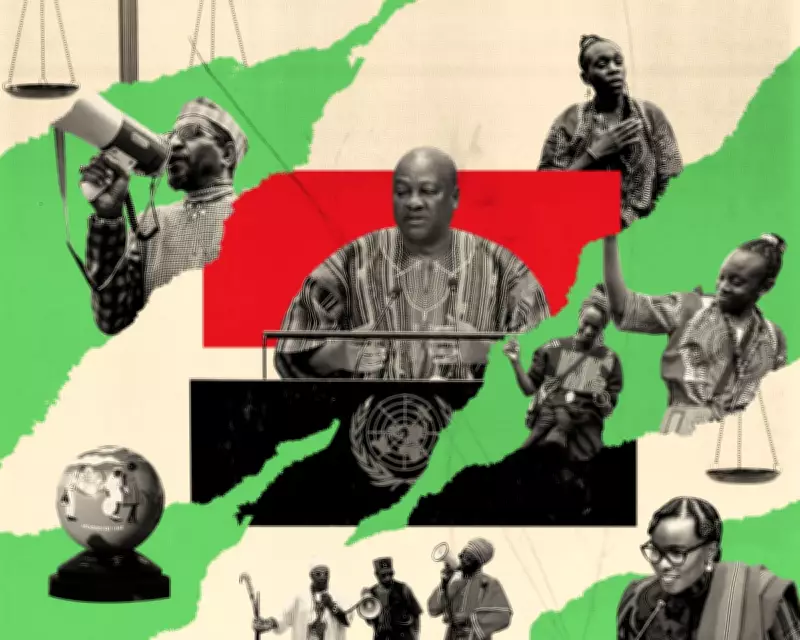
In a historic move, the United Nations has passed a landmark resolution describing the transatlantic chattel slave trade as the "gravest crime against humanity" and calling for reparations as a concrete step towards remedying historical wrongs. This vote, the culmination of decades of advocacy, marks a significant shift in global discourse but is seen as just the beginning of a broader movement for restorative justice.
A Win Obscured by Technicalities
While 123 countries voted in favour of the resolution, 52 abstained, including the United States and the United Kingdom, two nations heavily involved in the trafficking of millions of Africans. Ebony Riddell Bamber, director of the Scott Trust's Legacies of Enslavement programme, views this as a positive outcome, noting that in the past, these countries might have voted against it. The abstentions were justified on technical grounds, such as the argument that the slave trade was not illegal at the time, thus precluding compensation under domestic justice systems.
However, these justifications are increasingly seen as excuses. Western nations are nervous that recognising the foundational nature of this atrocity could lead to uncomfortable questions about debt, underdevelopment, and trade structures. In the UK, the Reform party has capitalised on this backlash, threatening to deny visas to individuals from countries seeking reparations.

The Guardian's Role in Restorative Justice
The Guardian's Legacies of Enslavement programme, launched three years ago in response to the newspaper's historical ties to slavery, plays a crucial role in this movement. It focuses on community-led repair, truth-telling, and raising awareness of Britain's involvement in slavery. Ebony Riddell Bamber highlights that the programme gathers "very precious information" on what reparations could entail, from education and training in Jamaica to land retention in the US Sea Islands.
Reparations take many forms, including addressing the climate emergency in the Caribbean, preserving cultural heritage, and decolonising curricula. The Guardian leverages its convening power to bring together international organisations, academics, and communities to address imbalances rooted in historical exploitation.
An Unstoppable Momentum
A growing "global diasporic movement", spurred by initiatives like the Caribbean Community's Ten-Point Plan for Reparatory Justice, is gaining momentum. African and Caribbean countries are collaborating more closely, as seen in the UN vote proposed by Ghana's president. Ebony notes that while challenges remain, the discussion can no longer be shut down, and there is a powerful desire for reconnection across the diaspora.
This movement is building on the work of past advocates and is driven by a collective effort to recognise and redress the legacies of enslavement, ensuring that the conversation continues to evolve and inspire action worldwide.