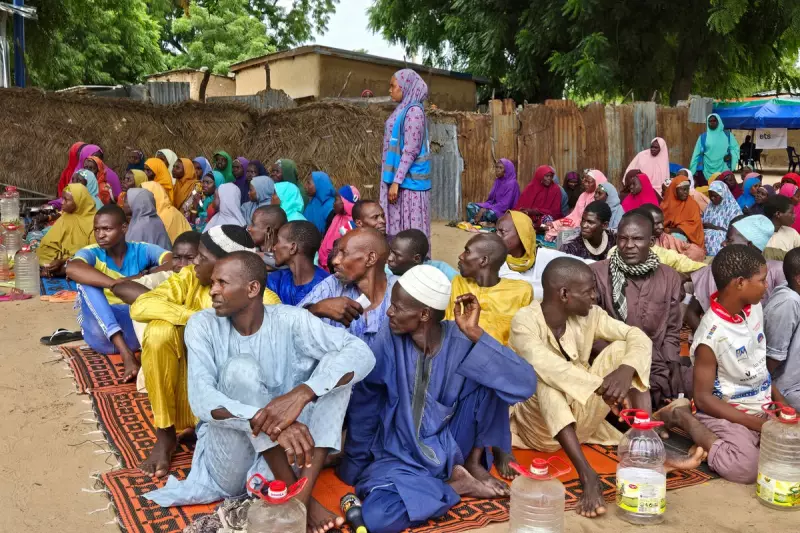
The United Nations World Food Program has issued a stark warning about an impending "catastrophic" hunger crisis in Nigeria, as critical funding for emergency food assistance runs dangerously low. Without immediate financial support, more than one million vulnerable people in the country's northeast could lose access to vital nutrition aid within a matter of weeks.
Emergency Assistance Set for Drastic Reduction
In a statement released on Tuesday, the UN agency revealed it will be forced to sharply scale back its operations in February, limiting assistance to just 72,000 people. This represents a dramatic reduction from the 1.3 million individuals who received support during last year's lean season, which typically spans from May to October.
"Despite generous contributions that sustained WFP's life-saving aid to the most vulnerable in recent months, those limited resources have now been exhausted," the agency confirmed in its Thursday announcement. The World Food Program has been providing essential food assistance in northeastern Nigeria since 2015, reaching nearly two million people annually in the hardest-hit areas.

Record Hunger Levels Forecast
According to WFP's latest projections, approximately 35 million people across Nigeria are likely to experience severe hunger this year. This alarming figure represents the highest level of food insecurity on the African continent and the most severe recorded since the agency began collecting comprehensive data in the country.
David Stevenson, WFP's Nigeria Country Director, emphasised the grave consequences of funding shortfalls, stating: "This will lead to catastrophic humanitarian, security and economic consequences for the most vulnerable people who have been forced to flee their homes in search of food and shelter."
Violence and Displacement Exacerbate Crisis
The hunger crisis has been significantly worsened by renewed violence across northern Nigeria, which has displaced approximately 3.5 million people in recent months alone. Widespread attacks by various armed groups have not only destroyed existing food supplies but have also prevented farmers from accessing their agricultural land, officials confirmed.
The security situation reached a particularly disturbing point last week when gunmen abducted more than 150 worshippers in simultaneous attacks on three separate churches in northwest Nigeria. This incident highlights the deteriorating conditions that are contributing to the humanitarian emergency.
Regional Impact of Reduced International Support
Nigeria finds itself among several West African nations experiencing deepening food crises following substantial reductions in United Nations food assistance. This scaling down of support is partly attributed to former U.S. President Donald Trump's decision to significantly cut funding to the United States Agency for International Development.
The funding shortfall has had widespread regional implications, with WFP having suspended food assistance across West and Central Africa as recently as July. The current situation in Nigeria represents one of the most severe manifestations of this broader regional challenge, with malnutrition reaching critical levels in several northern states.
As the World Food Program faces these unprecedented funding constraints, humanitarian organisations are calling for urgent international intervention to prevent what they describe as an impending catastrophe for Nigeria's most vulnerable populations.