UK Minister Defends Aid Cuts, Claims Poverty Reduction Trumps Self-Interest
UK Minister: Aid Cuts Prioritise Poverty Over Self-Interest

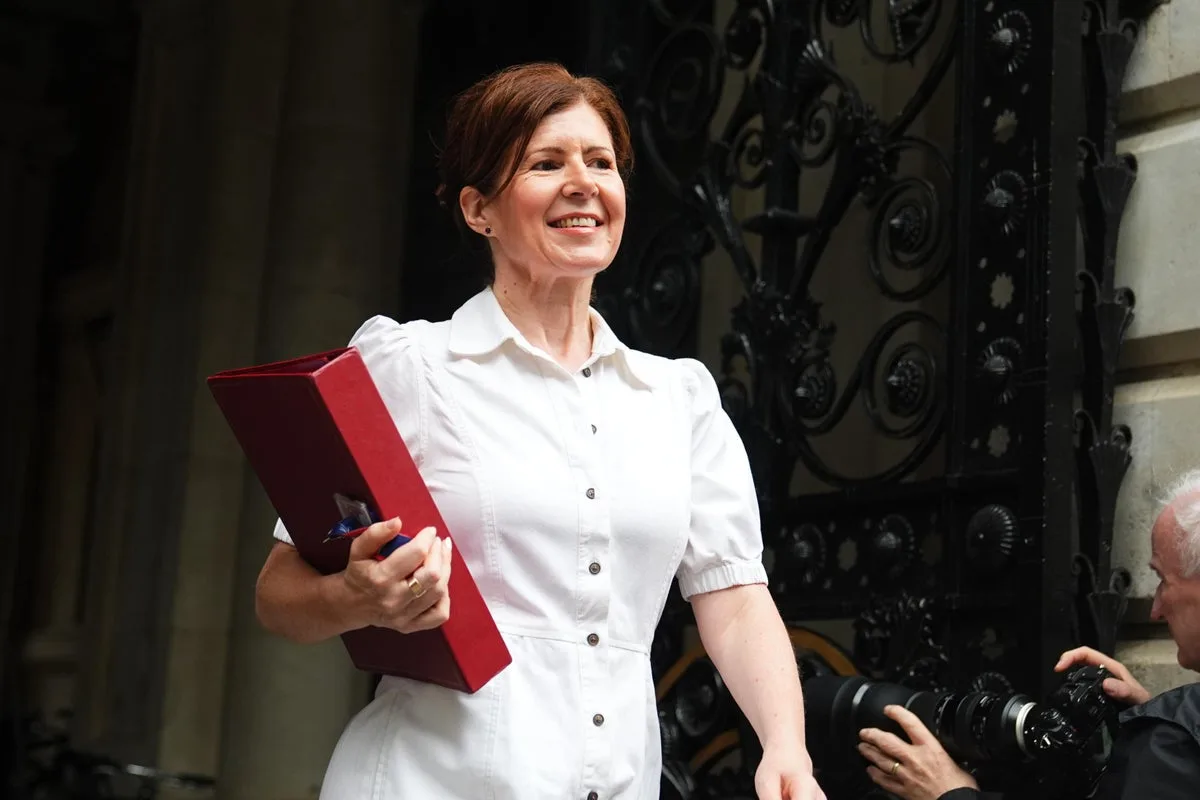
Development Minister Jenny Chapman has asserted that the United Kingdom is prioritising poverty reduction over national self-interest in its newly unveiled overseas aid programme allocations. Baroness Chapman's declaration came as the government detailed a substantial 40 per cent reduction to the aid budget, a move widely condemned within the development sector as "catastrophic."

New Multilateral Funding Focus

During a keynote speech at an event with the Center for Global Development, Baroness Chapman outlined the UK's revised development policy. She highlighted specific financial commitments, including £2 billion for the World Bank's International Development Association, which supports projects in the world's 75 poorest nations, and £650 million for the Africa Development Bank's Africa Development Fund.

"We could put all our money into bilateral relationships, and we could have leveraged it to get things that we want," Baroness Chapman stated. "We have actively decided not to do that, and are going through these two particular multilateral choices because they disproportionately benefit Africa."

Wide Pickt banner — collaborative shopping lists app for Telegram, phone mockup with grocery list

Contrasting Approaches: UK vs US Aid Strategy

The UK's stated position creates a notable divergence from the United States' aid strategy. The US has frequently utilised its aid budget as leverage to secure trade agreements and access to critical minerals. Additionally, American health compacts with African nations have included stipulations concerning data sharing and Christian ideology.

"We have to remember why we do this: It's a fight against hunger, disease and insecurity, to build a world free from poverty on a liveable planet," Baroness Chapman emphasised. She further argued against using aid for secondary objectives, stating, "There are people who tell me: Oh you should be using your aid budget for other things, or to enhance this or that. But nobody wins if that is your mindset."

Criticism and Concerns from NGOs

Despite the minister's assurances, numerous UK non-governmental organisations have expressed profound dismay regarding the aid cuts' potential impact. Their primary concern centres on addressing poverty and development challenges in the Global South, particularly given a planned 56 per cent reduction in bilateral aid to Africa over the next three years.

Romilly Greenhill, CEO of Bond, the UK network for NGOs, offered a mixed response. "We welcome the Foreign Secretary's commitment to support women and girls and move away from supporting some richer countries, as well as news that fragile and conflict-affected states including Gaza, Sudan, and Lebanon will continue to be supported this year," Greenhill said.

However, Greenhill added a stark warning: "[But] the allocations show the harsh reality of Labour's cuts to the UK aid budget, the steepest in the G7 – lives lost, the UK's reputation in tatters, and a poorer, more unequal and unstable world for us all."

International Perspectives and Regional Focus

The government's new aid strategy will see spending prioritised on fragile and conflict-affected regions, with Ukraine, Sudan, and Gaza named as key recipients. This shift occurs alongside the broader budget reduction.

Internationally, the approach to conditional aid has drawn criticism. Nigeria's chief government spokesperson recently told The Independent that stipulations based on religion are unhelpful for a nation like Nigeria, as they risk "fanning the flames" of societal division—a pointed reference to certain external aid policies.

The debate underscores the complex balancing act between principled development goals and pragmatic national interests, set against the backdrop of significant financial constraints for UK overseas aid.

Pickt after-article banner — collaborative shopping lists app with family illustration