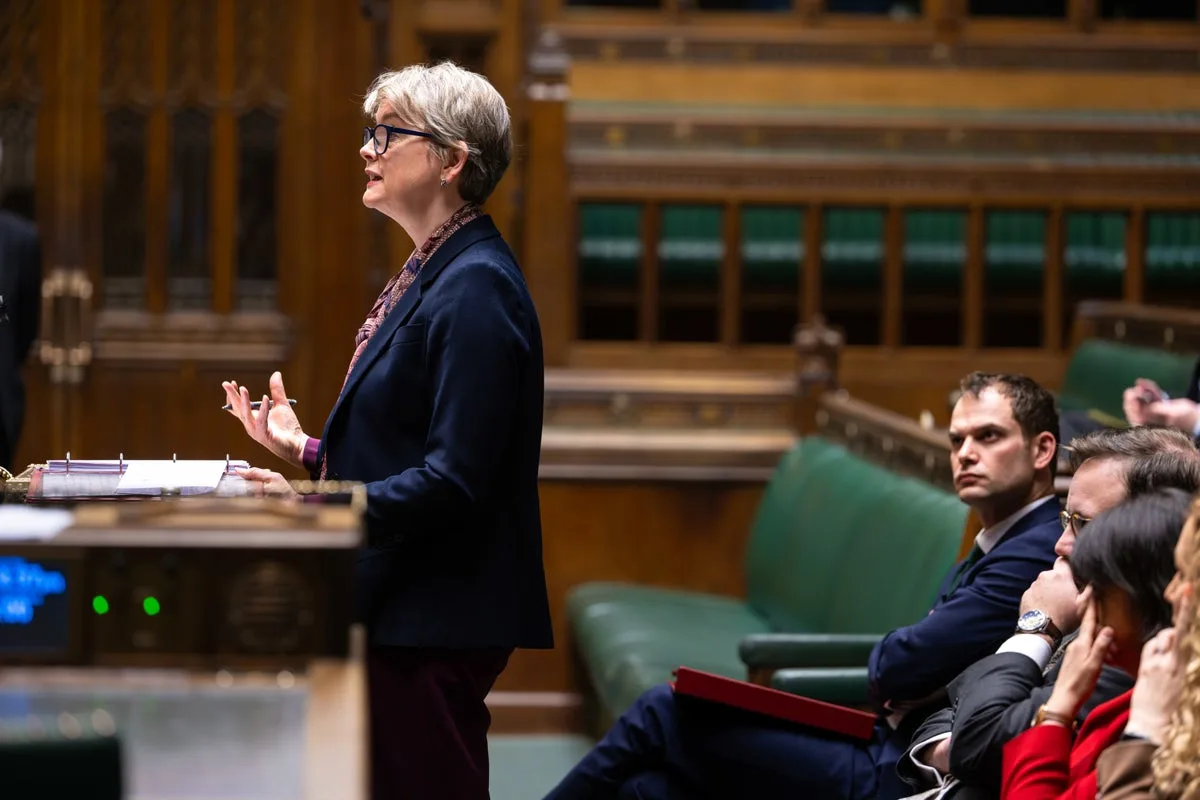
Foreign Secretary Yvette Cooper has outlined the extent of the UK's 40 per cent cut to its aid budget, sparking widespread dismay among MPs, charities, and humanitarian organisations. Cooper told parliament that women, girls, and conflict-affected states would be prioritised, leading to significant cuts elsewhere, with one MP labelling it a 'moral catastrophe'.
Bilateral aid between the UK and African countries is set to fall by 56 per cent in 2028/9 compared to 2024/5. Long-standing programmes to nations not classified as fragile or conflict-affected—but which still struggle to attract investment—face severe cuts or elimination. Affected countries include Kenya (which received £80 million in 2024/5), South Africa (£11m), Uganda (£44m), Sierra Leone (£30m), and Malawi (£50m).
Development Minister Jenny Chapman noted that these figures exclude UK contributions to multilateral institutions, such as £2 billion for the World Bank's International Development Association and £650 million for the African Development Fund. However, the Foreign, Commonwealth & Development Office has not shared details of cuts to specific country programmes, and the Equalities Impact Assessment was criticised as 'scandalously lacking in detail' by Labour MP Sarah Champion, chair of the International Development Select Committee.
The impact assessment revealed that the UK is likely to stop all overseas aid for global health in Sierra Leone and Malawi. In Malawi alone, this could result in approximately 250,000 adolescents losing access to modern family planning and 20,000 children dropping out of school due to the end of school feeding programmes. The FCDO has also changed its regional groupings and aid categories, making comparisons with previous reports difficult.
Even prioritised areas face cuts: multilateral humanitarian agencies will see a 25 per cent reduction, and health agencies a 23 per cent cut. UK aid classified as 'climate finance'—required under the Paris Agreement—is set to fall from £11.6 billion over five years to £6 billion over three years, a drop of almost 15 per cent. Catherine Pettengell of Climate Action Network UK called the cuts 'really bad', noting that climate finance had previously been doubling every five years.
The cuts come despite UN warnings that money needed for developing countries to adapt to climate change is 12 to 14 times greater than available. UN chief António Guterres stated, 'Adaptation is not a cost – it is a lifeline.'