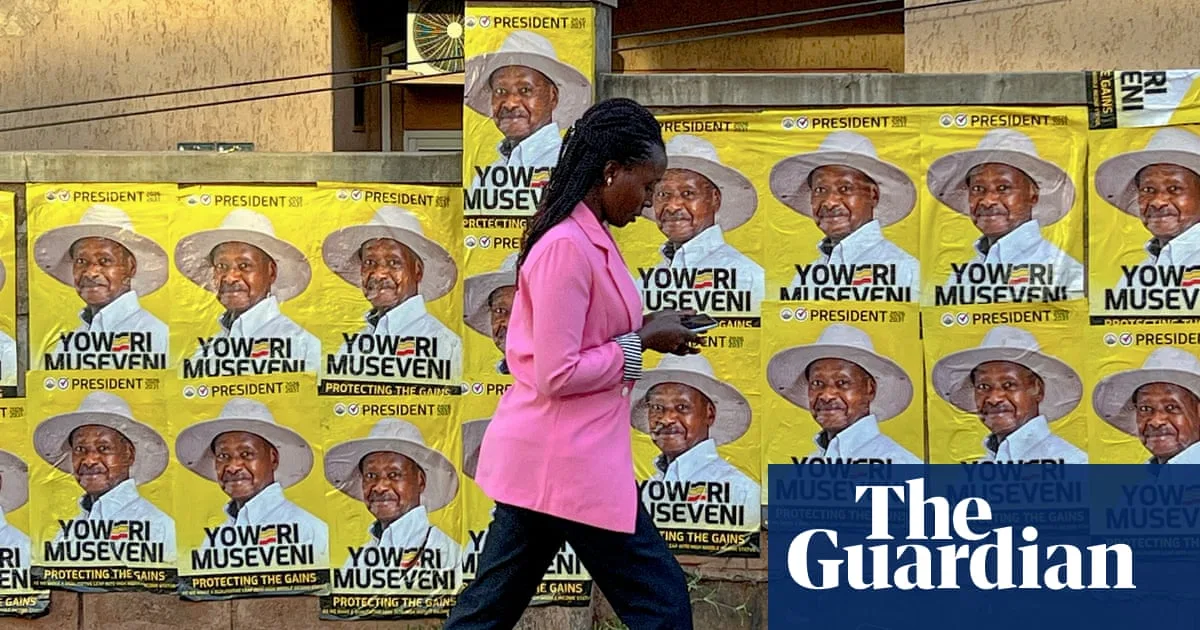
When Uganda’s electoral commission declared President Yoweri Museveni the winner of the 2026 general election this month, there was little surprise among the country’s younger voters. Those aged under 35 make up more than three-quarters (78%) of Uganda’s population – the second youngest population in the world – and for many, the news of Museveni’s victory confirmed what they had expected. For some, it also crushed the fragile hope inspired by the rise of the opposition leader, Robert Kyagulanyi, known as Bobi Wine.
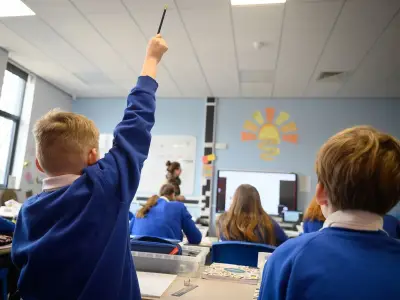
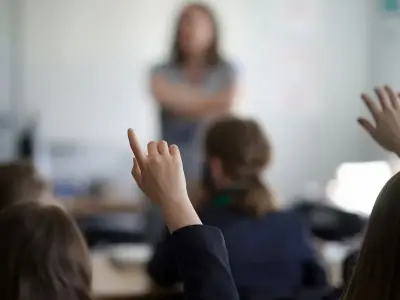
Sarah Namubiru, 21, a university student hoping to be a teacher, says she did not vote for Museveni because of the low salaries in the teaching profession. “The results were not a reflection of what we want and I am disappointed because it seems my vote was not respected. I am wondering where I will get a job with thousands of teachers superior than me being idle. I do not know anyone in the government and we all know you need to know someone to get a job. For me, that’s why I need change.” In 2021, a report by the national planning authority highlighted that 87% of graduates in Uganda were unable to find employment, with most ending up doing odd jobs such as riding motorcycle taxis (boda bodas).
Museveni, 81, has been president since 1986. He won his seventh term this month with 70% of the vote, amid claims of fraud and after a nationwide internet shutdown in the two days before the poll. In his victory speech he accused the opposition of being terrorists, while opposition leader Bobi Wine, who won 25% of the vote, went into hiding after a police raid on his home. To his supporters, Museveni remains a guarantor of stability within the country and the region. To critics, his rule represents stagnation and a youth unemployment crisis. He has also been accused of overseeing brutal crackdowns against any dissent and widespread human rights abuses.
Dr Kizza Besigye, a prominent Ugandan opposition leader who was detained in November 2024 while visiting Kenya, remains in a Kampala jail on treason charges. This week his wife, Winnie Byanyima, said Besigye is being kept in inhumane conditions and denied adequate medical care despite being gravely ill. In a statement issued on Tuesday Byanyima, who is executive director of UNAids, said his health had deteriorated so much she fears for his life. “His continued detention, mistreatment, and denial of medical care place his life at grave risk, and those responsible will be held accountable.”
The election result has forced many to reassess how or whether political change is possible. “Well, the results were obvious; in my heart I knew they wouldn’t announce anyone else because Museveni has set up a system in his own favour,” says Norman Turyatemba, 32, a leader at Forum for Democratic Change (FDC), one of the opposition parties. Like many, Turyatemba fears Uganda will continue to be ruled by the same family as Museveni is grooming his son, Gen Muhoozi Kainerugaba, the commander of the army, to be his successor. “The current leadership seems designed to suppress voices of young people,” says Turyatemba. “Imagine a system where leaders hold positions for over 40 years, is there any room for the next generation? With crippling taxes and soaring unemployment, the future looks uncertain for Uganda’s youth.”
John Katumba was the youngest presidential candidate in the 2021 election. He says: “Young people are likely to disengage from politics. You vote but your leader is never declared. It’s not the first time nor the second. That frustration has and will push many into silence.” Katumba recalls the use of teargas and arrests during crackdowns on dissent in previous election cycles, saying the experience has left deep scars among the country’s politically active youth. “We have learned how to survive disappointment. That idea that the ballot alone will save us has been beaten out of people but that doesn’t mean people have accepted the system,” he says. Dr Shamim Nambassa, 26, a leader in Bobi Wine’s National Unity Platform, says Museveni’s victory does not reflect the views of the majority. “[Museveni’s] declaration is a stolen victory; that’s why there was no celebration but rather silence over the nation,” she says. “I voted for a new Uganda to see medicine in hospitals, jobs for the many educated youth, the end of corruption.”