A Ugandan court has formally discontinued the landmark case against the first individual ever charged under the nation's stringent Anti-Homosexuality Act, according to statements from his legal representative. The charges, which initially included the capital offence of "aggravated homosexuality," have been dropped following a judicial determination regarding the defendant's mental state after an extended period of remand.
Case Details and Legal Proceedings
The defendant, a man from Soroti in northeastern Uganda who was twenty years old at the time of his arrest, was detained in August 2023. He faced the grave accusation of "aggravated homosexuality," a charge that carries the death penalty under Uganda's controversial 2023 legislation. Specifically, he was accused of engaging in "unlawful sexual intercourse" with a 41-year-old man.
His lawyer, Douglas Mawadri, confirmed on Tuesday that the case had been ongoing for over two years. During this protracted legal process, prosecutors amended the indictment, instead charging the man with "carnal knowledge against the order of nature." This offence, rooted in Uganda's existing penal code, still carries a potential sentence of life imprisonment.

Court's Decision and Reasoning
On Monday, the presiding magistrate made the decision to discontinue the case entirely. The ruling was based on a finding that the accused was "of unsound mind" following what Mr Mawadri described as "a long detention on remand." The man had spent nearly a full year in custody awaiting trial since his initial arrest.
Mr Mawadri noted that this judicial ruling was delivered orally in court, with a formal written version expected to be issued at a later date. When contacted for comment, a spokesperson for Uganda's judiciary offered no immediate response regarding the case's dismissal.
Background of Uganda's Anti-Homosexuality Act
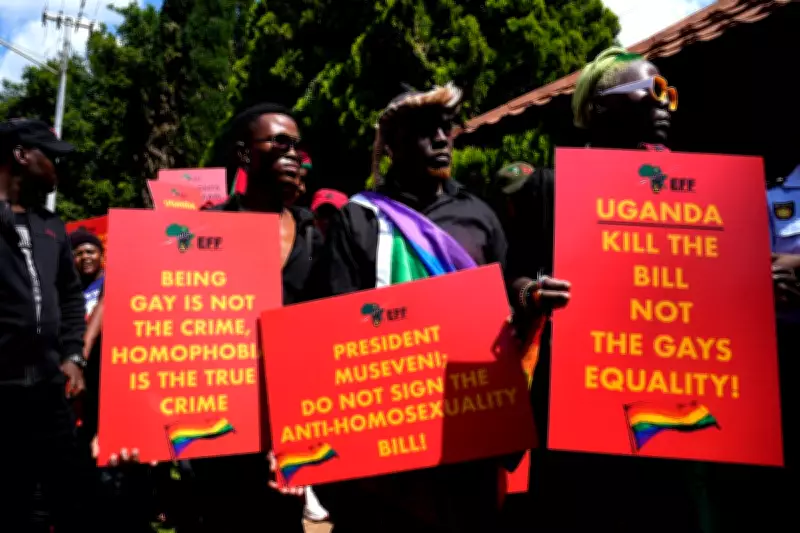
Uganda's Anti-Homosexuality Act, enacted in 2023, is widely regarded as one of the most severe laws targeting the LGBT community globally. The legislation mandates life imprisonment for same-sex intercourse and imposes the death penalty for acts categorised as "aggravated." This categorisation includes repeat offences, gay sex that results in the transmission of a terminal illness, or same-sex intercourse involving a minor, an elderly person, or an individual with disabilities.
The law was passed despite significant international pressure. Western governments, alongside local and global human rights organisations, condemned the act and urged Uganda not to proceed. The enactment triggered substantial diplomatic and economic repercussions.
International Repercussions and Condemnation
The passage of the Anti-Homosexuality Act drew widespread condemnation and threats of sanctions from the international community. In a significant economic response, the World Bank suspended new funding to Uganda for nearly two years following the law's implementation. Additionally, the United States imposed visa restrictions on certain Ugandan officials as a direct consequence of the legislation.
These actions underscore the deep international concern regarding human rights and the legal treatment of LGBT individuals in Uganda, setting a contentious backdrop for cases such as the one recently discontinued.