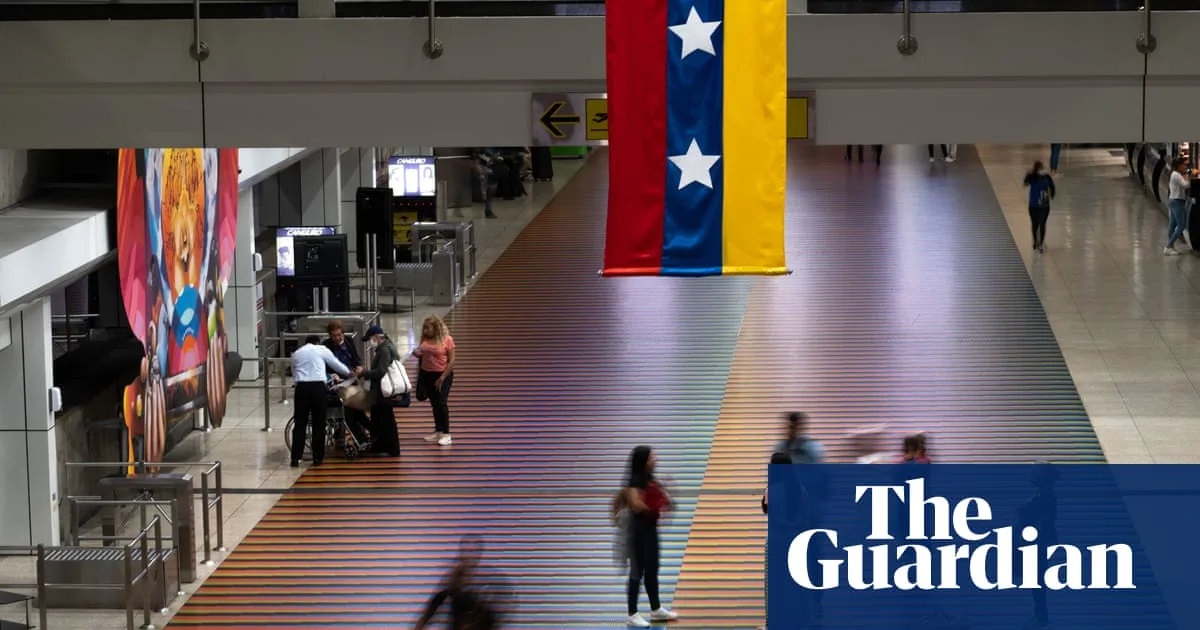
Trump Reopens Venezuela Airspace, Paving Way for US Flights and Oil Deals
Trump Reopens Venezuela Airspace for US Flights

In a significant policy reversal, former President Donald Trump has mandated the immediate reopening of all commercial airspace over Venezuela. This directive comes just weeks after US military intervention led to the removal of former dictator Nicolás Maduro from power.

Direct Flights to Resume After Years of Suspension

Speaking during his cabinet's first meeting of the year at the White House, Trump announced he had personally informed Venezuela's acting president, Delcy Rodríguez, of the decision during a telephone conversation. "We're going to be opening up all commercial airspace over Venezuela," Trump declared to assembled officials. "American citizens will be very shortly able to go to Venezuela and they'll be safe there."

The president revealed he had instructed Transportation Secretary Sean Duffy and Pentagon officials to implement the changes before the end of the day. He characterized the security situation in Venezuela as being "under very strong control" under Rodríguez's interim leadership.

Ending Years of Flight Restrictions

Direct commercial passenger and cargo flights between the United States and Venezuela had been suspended since May 2019. This suspension occurred during Trump's first term when the Department of Transportation determined conditions in Venezuela posed unacceptable safety and security risks to American carriers, crews, and passengers.

The restrictions intensified in November when Trump declared that airspace "above and surrounding" Venezuela should be considered "closed in its entirety" as he ramped up pressure on Maduro's regime. The Federal Aviation Administration subsequently warned pilots to exercise extreme caution when flying near Venezuelan airspace due to heightened military activity, prompting international airlines to cancel their Venezuelan routes.

Normalization of Relations Accelerates

Trump's announcement represents the latest development in the rapid normalization of relations between Washington and Caracas under the interim government. This administration is primarily composed of former subordinates of the ousted Maduro regime, yet has moved swiftly to reset diplomatic ties with the United States.

American Airlines, which was the final US carrier operating Venezuelan routes when it suspended service in March 2019, announced on Thursday its intention to reinstate nonstop flights in the coming months. This restoration of air connectivity signals a major shift in bilateral relations that had been frozen for years.
Oil Companies Already Assessing Opportunities

Beyond aviation, the reopening presents substantial economic opportunities for American energy corporations. Trump revealed that major US oil companies are already conducting ground assessments in Venezuela to evaluate potential operations in the country's vast oil reserves.

"We have the major oil companies going to Venezuela now, scouting it out and picking their locations, and they'll be bringing back tremendous wealth for Venezuela and for the United States," Trump stated during his announcement. While significant infrastructure investment will likely be necessary to restore production to previous levels after years of deterioration, the potential rewards are considerable.

Diplomatic Dance with Interim Leadership

Acting President Delcy Rodríguez, once one of Maduro's closest allies and former head of the feared Sebin intelligence agency, has engaged in a delicate diplomatic dance with Washington. While occasionally voicing defiance toward US demands, she has simultaneously signaled willingness to accommodate American interests.

Rodríguez has pushed through legislation that Trump characterized as placing Venezuela's oil sector under US oversight. Earlier this week, she announced that the United States had agreed to unblock Venezuela's foreign-held sovereign assets, with designated funds allocated for healthcare and energy purchases.

Despite Rodríguez telling oil workers she had "enough" of Washington's orders just days earlier, US Secretary of State Marco Rubio informed Congress that communications with Venezuela's new leadership had been "very respectful and productive." This suggests both sides are navigating the new relationship with strategic pragmatism.

The reopening of Venezuelan airspace marks a pivotal moment in the evolving relationship between the two nations, combining restored travel connections with substantial economic opportunities in the post-Maduro era.