Nigel Farage's Energy Bill Competition Branded 'Shameful Gimmick' by Critics
Farage's Energy Bill Competition Called 'Shameful Gimmick'

Nigel Farage's Energy Bill Competition Sparks Accusations of 'Shameful Gimmick'

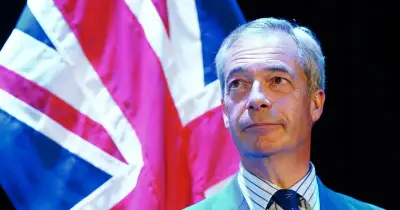
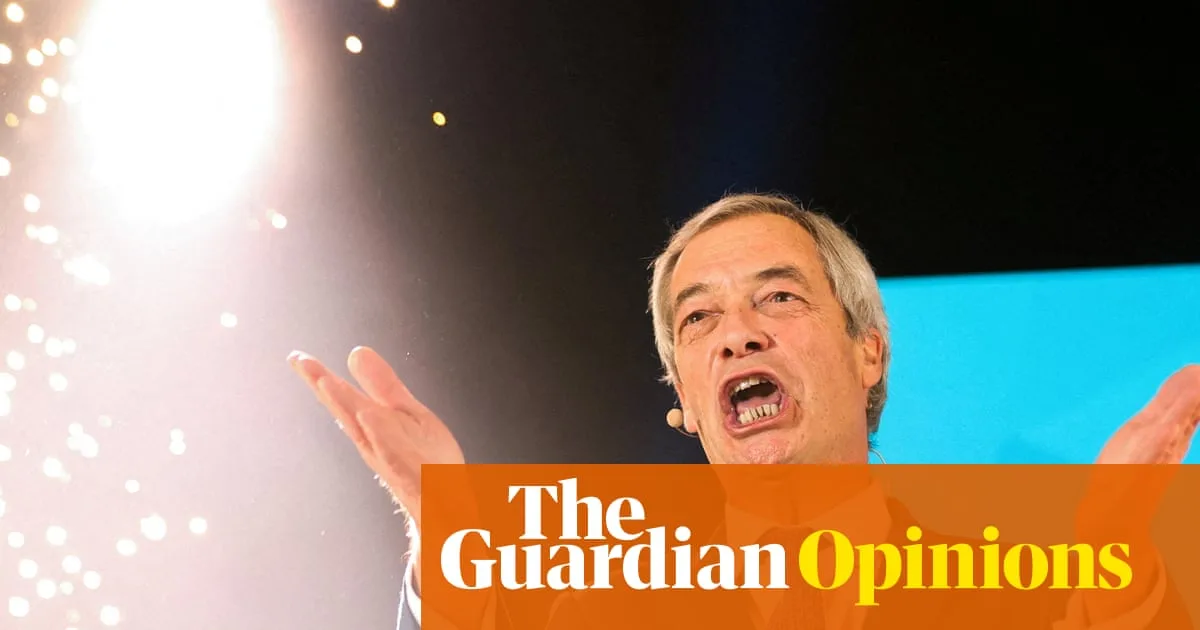
Reform UK leader Nigel Farage has been accused of employing a 'shameful gimmick' after unveiling a competition where the party will pay the winner's energy bills for an entire year, along with the bills of every household on their street. The controversy erupted on Tuesday as Farage launched the 'Nigel Cut My Bills' contest to promote Reform's commitment to reducing annual household energy costs by £200 if the party gains power.

Reform's Pledge to Scrap VAT and Green Levies

The competition serves as a promotional tool for Reform UK's energy policy, which includes scrapping VAT on energy bills—a move the party claims would save households approximately £85 per year. Additionally, Reform pledges to eliminate green levies on energy bills, promising to put another £115 back into voters' pockets annually. These measures are central to the party's first budget proposal should they win the next general election.

Reform's treasury spokesman, Robert Jenrick, described the contest as a 'small downpayment' on the party's broader plans to cut energy bills. He explained that funding for these reductions would come from cutting budgets of what he termed 'out-of-control' quangos, such as Ofgem and Homes England, which would allow for the removal of renewables subsidies.

Accusations of Bribery and Electoral Concerns

Critics have slammed the competition, alleging it amounts to bribing people who are struggling with the cost of living into voting for Reform UK. Conservative Party chairman Kevin Hollinrake led the charge, condemning the move as a 'shameful gimmick at a time when families are genuinely worried about their energy bills.'

When questioned about the legality of Farage's giveaway, the Electoral Commission indicated that criminal offences, including bribery, 'may apply to activity taking place in UK elections.' However, rival parties stopped short of reporting Reform to authorities on legal advice, noting that Farage had orchestrated the stunt outside of an official election cycle. A Reform spokesman asserted the party was 'entirely confident' that their competition complied with the law.

Broader Campaign Efforts and Political Context

The energy bill competition is part of a wider campaign strategy by Reform UK. In the run-up to May's local elections, Farage announced plans to deploy a battalion of litter pickers to clean up local areas across Britain. All 450 Reform local branches will be tasked with addressing what Farage called the 'pretty shocking' state of the nation's streets. While some branches have already begun local 'street pick-ups,' Farage intends to roll out the initiative 'literally across the whole country' in April.

Meanwhile, the political landscape remains tense. The Conservative Party is set to force a vote on Wednesday regarding government plans for a staged 5p increase in fuel duty from September. The Tories believe Labour MPs will be hesitant to support the plan, as it could impose further economic strain on voters.

As the debate over energy costs and electoral tactics intensifies, Farage's competition continues to draw scrutiny, highlighting the ongoing challenges faced by households amid rising living expenses and the contentious nature of political campaigning in the UK.