Surgeon's Nightmare: Witnessing Iran's Brutal Crackdown on Protesters
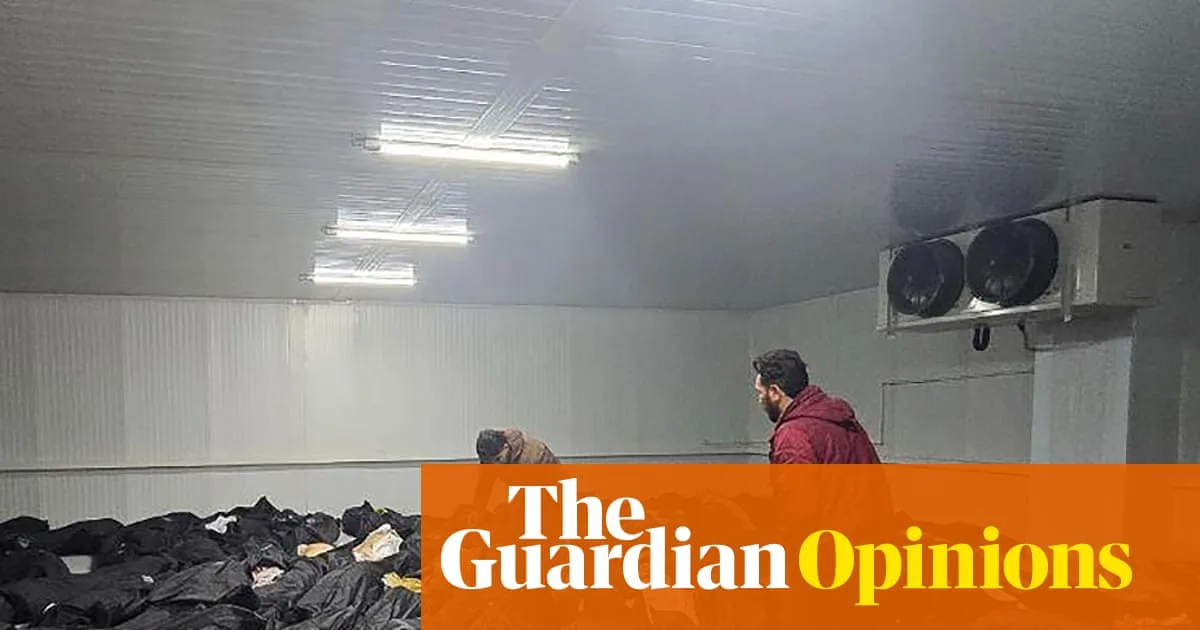
An anonymous surgeon working in Iran has provided a chilling firsthand account of the state's violent response to anti-regime protests that erupted in late December. By early January, the unrest had spread nationwide, with security forces reportedly killing at least 45 people initially. However, over the following days, the regime escalated its actions, leading to a brutal crackdown now estimated to have resulted in the deaths of more than 5,000 individuals.
A City Transformed by Violence
Upon arriving at a hospital in Tehran on the night of 8 January, the surgeon immediately noticed a stark change in the city's atmosphere. Earlier that day, doctors and patients had been sharing images via WhatsApp of pellet wounds to the back, hands, and head—painful and frightening injuries, but largely survivable. These wounds suggested a level of violence that still had some limits. Then, at eight o'clock, everything went dark: internet, mobile phones, messages, and maps all ceased to function.
Minutes later, the sound of gunfire erupted across the streets, accompanied by screaming and explosions. Called into the hospital, the surgeon quickly realised the situation had drastically worsened. The patients now arriving were not suffering from pellet wounds but from live ammunition—war bullets designed to pass through the body, causing severe and often catastrophic damage.
Operating in a Mass Casualty Zone
As a surgeon specialising in torso injuries, the professional found the operating rooms filled with wounds to the chest, abdomen, and pelvis—injuries that determine whether someone lives or dies within minutes, leaving no margin for delay or error. Many of these shots had been fired from close range, exacerbating the damage.
The hospital rapidly transformed into a mass casualty zone, overwhelmed by a lack of resources: insufficient surgeons, nurses, anaesthesiologists, operating rooms, and blood products. Patients arrived faster than they could be treated, with stretchers lining up and operating rooms being turned over repeatedly. In a facility that typically handles two emergency surgeries per night, approximately 18 operations were performed between 9pm and 6am, with some patients still on the operating table by morning.
Unprecedented Scale of Trauma
The surgeon, who has experience in disaster zones such as earthquakes and major accidents, described this event as unparalleled. Even in disasters, 20 or 30 injured patients might arrive over several hours, but that night and the following one brought hundreds of gunshot wounds and severe trauma in a relentless stream. The exhaustion was total—both physical and mental—compounded by the grim reality of saving lives from a government's own violence.
While operating, the surgeon heard weapons inappropriate for city streets, including Soviet-designed DShK machine guns, later seen mounted on pickup trucks patrolling the area. This atmosphere felt less like policing and more like wartime rules applied to civilians.
Fear and Secrecy in Healthcare
As the crisis unfolded, it became impossible to accurately count the dead due to the overwhelming volume of casualties. People grew afraid to seek hospital care, knowing that once the situation was deemed "under control," security institutions would demand patient information, with administrators facing serious consequences for refusal. This system predated the protests, adding to the climate of fear.
Many injured individuals chose not to come to hospitals at all, instead calling the surgeon in coded language whenever there was a brief signal, terrified of surveillance. The calls involved not just young adult protesters but also a 16-year-old child, a man in his 70s, and others simply caught in the street—demonstrating that being present was enough to become a target.
Escalation and Widespread Impact
By Friday morning, the surgeon was still operating, with patients from the previous night undergoing surgery. Travelling to a city in central Iran later that day, they witnessed a wounded landscape: burned or shattered metro stations and significantly delayed routes. Hospital colleagues there reported catastrophic nights, with private hospitals also overwhelmed by gunshot victims—a rarity under normal circumstances.
Without official numbers, the surgeon estimated that in a city of about 2 million, more than 1,000 may have been killed in a single night, and across Iran, the toll could exceed 20,000, based on hospital capacity and experience. In one street, a pool of blood nearly a litre in size, with a trail stretching several metres, indicated fatalities before hospital arrival.
A Broken System and Silent Suffering
The violence escalated step by step, from individual shots on Thursday night to automatic fire by Friday night. Families continued to call, terrified not only of injuries but of the consequences of seeking care, turning hospitals from places of safety into sites of fear.
The scale of destruction, the volume of injuries, communication blackouts, and the exhaustion of medical staff created a sense that something fundamental had broken. The surgeon emphasised that words cannot fully convey the horror, but what occurred far exceeded public accounts, largely unfolding in darkness.
While no formal death toll has been released, the US-based Human Rights Activists News Agency estimates 5,002 killed, including 4,716 demonstrators, 203 government-affiliated individuals, 43 children, and 40 civilians not participating in protests.