Sudan's Path to Peace: A Credible Plan to End the Cycle of Violence
Sudan's Credible Peace Plan to Break the Cycle of Violence

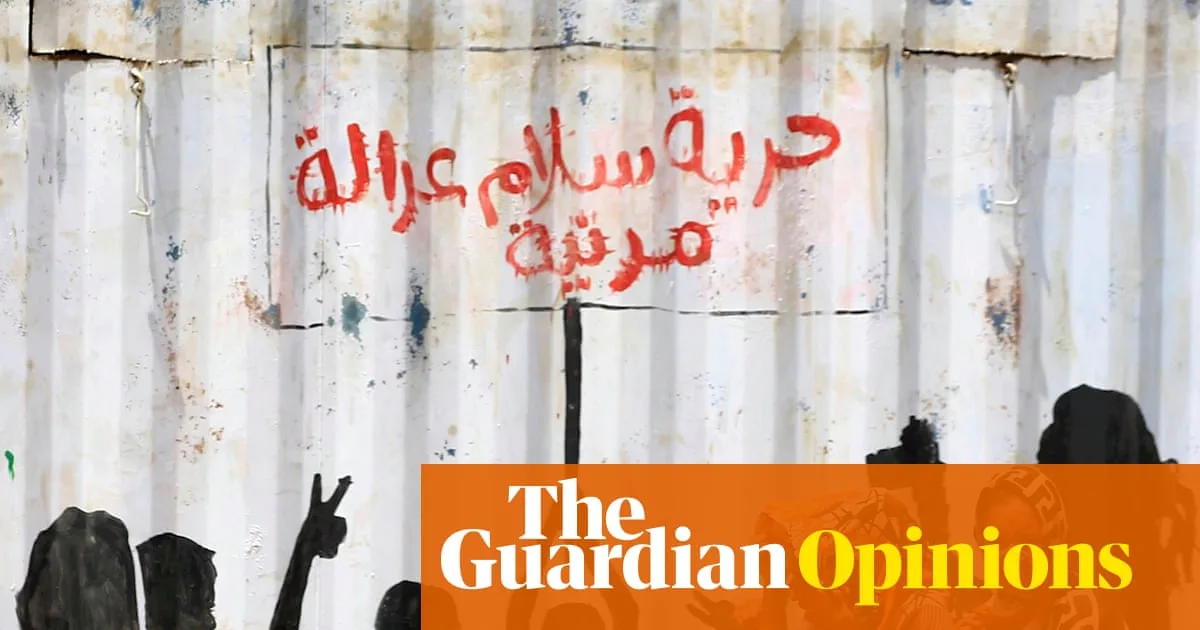
In the heart of Khartoum, Sudan's capital, Arabic graffiti boldly proclaims 'Freedom, peace, justice and the civilian'—a poignant reminder of the aspirations that once united the nation. Yet, for three years, these ideals have been overshadowed by relentless violence, pushing Sudan to the brink of irreversible collapse. The country now faces the world's worst humanitarian crisis, with hundreds of thousands dead and millions displaced, all while warmongers prioritise power over the suffering of the Sudanese people.

The Fallacy of Military Victory

From the outset of the conflict, it was clear that neither the Rapid Support Forces (RSF) nor the Sudanese Armed Forces (SAF) could achieve a total military victory. This notion is a dangerous fallacy, perpetuated by those who profit from prolonging the war. Recent attacks on civilian targets in East Darfur and North Kordofan underscore the brutality of a conflict where starvation is weaponised and chemical weapons are deployed against innocent civilians.

A Glimmer of Hope Amid Chaos

Despite the senseless violence, Sudan is not lost. Across the nation, civilian coalitions are stepping up in the absence of a functioning state, delivering essential food and medicine, and coordinating efforts for peace. The Sudanese people have not relinquished hope for a return to stability and governance.

Wide Pickt banner — collaborative shopping lists app for Telegram, phone mockup with grocery list

Now, for the first time since the war erupted, a credible plan offers a pathway to break the vicious cycle of violence, wars, and coups that has plagued Sudan for decades. The roadmap, tabled last September by the Quad—comprising the US, UAE, Saudi Arabia, and Egypt—stands out from previous initiatives by garnering support from key international players with the leverage to influence the conflict.

The Quad's Roadmap: A Comprehensive Approach

This plan goes beyond a temporary ceasefire, recognising the urgent need for an independent, civilian-led government. To succeed, three critical components must be implemented simultaneously:

  • An immediate and unconditional humanitarian ceasefire, with all parties committing to halt hostilities.
  • The delivery of urgent humanitarian aid and robust protection for civilians.
  • A national dialogue that brings together representatives from across Sudanese society to decide how the country should be governed, not who governs it.

Past ceasefires have repeatedly failed, with parties agreeing to truces only to resume violence shortly after. A truce without a concurrent political process is meaningless, as history has shown with Sudan descending back into chaos each time.

International Unity and the Berlin Conference

A ministerial conference in Berlin on Wednesday, 15 April, presents a crucial opportunity to advance this peace process. The meeting must unify international efforts, channelling political will into a cohesive mechanism that can deliver lasting peace. By aligning initiatives from the African Union, Intergovernmental Authority on Development, League of Arab States, the UN, European Union, and others behind the Quad's roadmap, duplication can be avoided, strengthening the chances of ending the war.

A united international community in Berlin can accelerate the transition from truce to humanitarian aid and, ultimately, to the civilian-led political process that Sudan desperately needs.

Belief in a Better Tomorrow

While the challenges are immense, the resilience of the Sudanese people offers hope. Having overcome three decades of dictatorship and the division of their country, there is now a credible plan, backed by international support, to return Sudan to peace. The window of opportunity must be seized before it closes, paving the way for a future defined by freedom, peace, and justice.

Pickt after-article banner — collaborative shopping lists app with family illustration