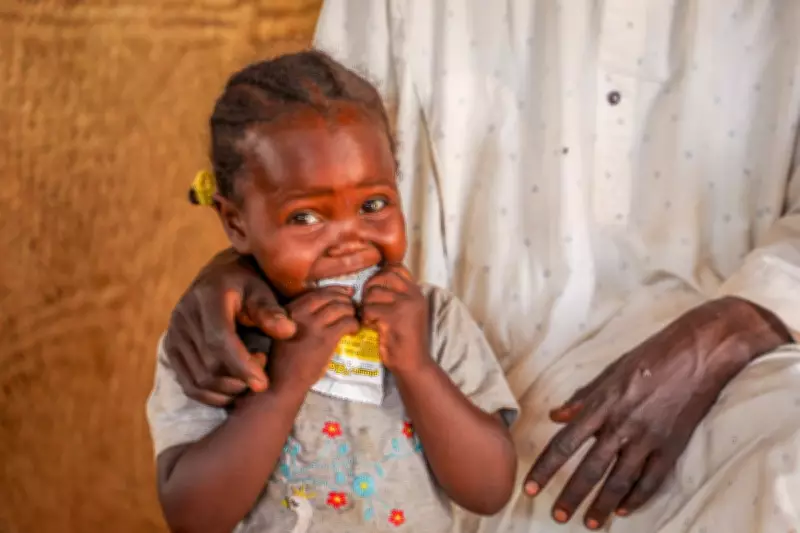
Sudan Refugees in Chad Confront Extreme Heat and Depleting Resources
In the aftermath of three years of brutal conflict in Sudan, over 900,000 refugees have fled to eastern Chad, only to face a new crisis of survival. With temperatures soaring to 43 degrees Celsius and expected to exceed 50C in the coming months, these displaced individuals are grappling with severe shortages of food and water, compounded by drastic cuts in international aid.
Humanitarian Funding Crisis Deepens Suffering
Recent warnings from the UN's refugee agency (UNHCR) and the World Food Programme (WFP) highlight a critical funding gap of $428 million, threatening assistance to more than a million people. UNHCR currently aids only four in every ten refugees, while the WFP has halved food rations and may implement further reductions. Patrice Ahouansou, UNHCR's representative in Chad, emphasizes that without urgent donor support, conditions will worsen for families already fleeing war.
Dire Living Conditions in Refugee Camps
Refugees in Ennedi Est province are surviving on less than half the World Health Organisation's minimum daily water requirement, with some receiving only four litres per person against a recommended 15. Dermot Hegarty, country director for the Norwegian Refugee Council (NRC), describes makeshift shelters of plastic sheeting on wooden poles, which disintegrate within six months, leaving 80,000 families without adequate shelter. A recent NRC survey reveals that seven in ten refugee families have reduced or skipped meals in the past month.

Escalating Violence and Trauma
The journey to Chad is marked by extreme violence, with Rapid Support Forces (RSF) checkpoints acting as toll booths for extortion, assault, and murder. Abdullahi Boru Halakhe, a senior advocate at Refugees International, recounts harrowing stories, including that of Hawa, who was gang-raped for over a week and lost her brother to violence. Insaf, a teacher with a master's degree, had her certificates destroyed and endured eight days of rape. The fall of El Fasher in late 2025 led to mass killings, described by the International Criminal Court as an organised campaign of suffering.
Impact of Aid Cuts on Vulnerable Groups
Protection services for survivors of sexual violence have been hit hardest, with budget cuts exceeding 70%. Halakhe notes that without adequate facilities, women face gender-based violence even in camps, compounding their trauma. The war's proximity is increasing, with drone strikes along the Chad-Sudan frontier causing casualties and forcing medical teams, like those from Médecins Sans Frontières, to relocate due to unsustainable security conditions.
Global Response and Future Uncertainties
US humanitarian funding for Chad plummeted from $338 million in 2024 to $112 million in 2025, influenced by policy changes under Donald Trump's administration, with other Western donors, including the UK, also reducing support. Hegarty expresses concern over the stretching of resources, likening it to an elastic band nearing its breaking point. As refugees, predominantly women and children, struggle to maintain dignity, the international community's failure to act risks deepening one of the world's largest displacement crises.