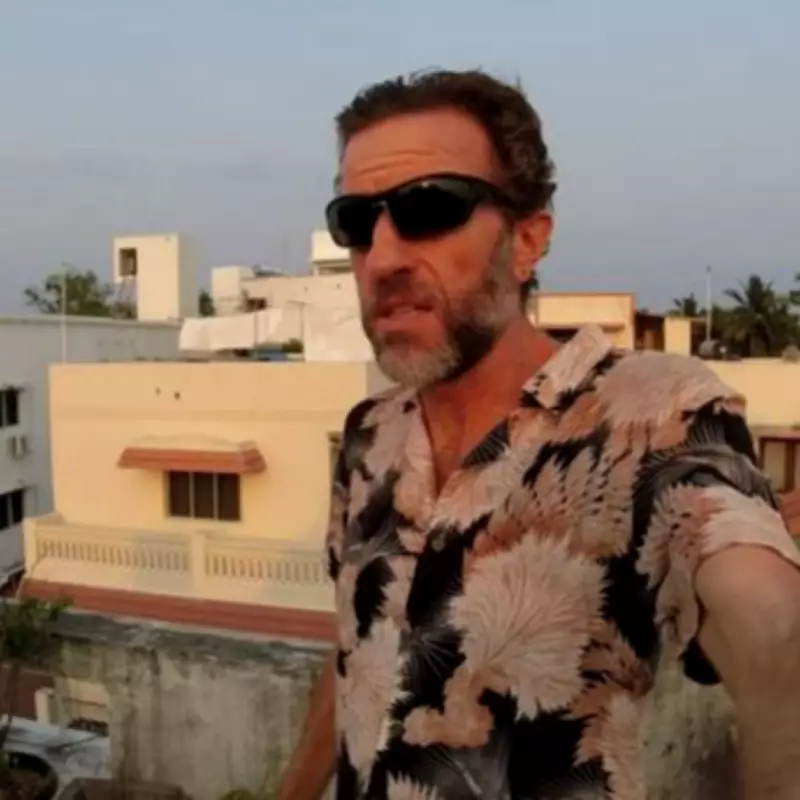
Seasoned Traveller's Close Call with Qatari Authorities During Iran Conflict
Gabriel Morris, a veteran globetrotter who has visited more than 90 countries, found himself in a perilous situation in Qatar as military tensions escalated between the US, Israel, and Iran. The experienced traveller, who documents his journeys through books and a popular YouTube channel, narrowly avoided arrest for allegedly violating Qatar's stringent cybercrime regulations.
Strict Online Regulations in the Gulf State
Morris explained that while Western social media users often enjoy considerable freedom of expression, Middle Eastern nations like Qatar enforce much stricter rules regarding online content. "This is going to be both a story telling what happened as well as a cautionary tale," Morris stated, "a warning for social media influencers in particular, but also people in general sharing information online."
The Qatari Ministry of Interior announced on March 5 that authorities had arrested 194 individuals of various nationalities for "filming and circulating video clips, as well as publishing misleading information and rumours that incite public opinion." Within days, that number surged to over 300 detainees, with officials emphasizing the importance of refraining from sharing content related to the ongoing conflict.

The Video That Almost Landed Morris in Trouble
Morris had received information suggesting that interceptor missiles used by Gulf states to defend against Iranian attacks were running dangerously low. After verifying the claims through multiple sources, he felt compelled to create a video discussing the potential implications.
"That was a wakeup call because of course if those interceptor missiles run out and they don't have them any more," Morris explained, "then the missiles that Iran is shooting at its targets can get through and there's going to be a lot more destruction."
He filmed a ten-minute video discussing the reports and began uploading it while packing his belongings. However, the slow Wi-Fi connection at his hotel prevented the upload from completing. "As it turns out, that might have saved my butt," Morris reflected. "That video almost certainly violates the law that people were getting arrested for."
Government Responses and Regional Context
During the initial phase of the conflict, the UAE government released a statement refuting speculation about dwindling interceptor missile supplies, asserting they maintained "a robust strategic stockpile of munitions." Nevertheless, Iran continued launching numerous Shahed kamikaze drones at US-allied nations, prompting the US to reportedly redeploy missile batteries from South Korean bases to bolster Middle Eastern defenses.
Morris acknowledged that while he understands the Qatari government's need to prevent undue public alarm, he believes citizens deserve to know about potential defense vulnerabilities. "If this was true, then people should know it," he maintained regarding the missile supply reports.
A Cautionary Tale for Digital Travellers
The experienced traveller expressed reluctance to return to Qatar, "even for a layover," fearing potential arrest for his previous statements. He speculated that had his video uploaded successfully, Qatari authorities monitoring social media could have intercepted it while he remained at least an hour from the border.
"Imagine if I had been able to upload the video and posted it," Morris pondered, recognizing how easily he could have joined the hundreds arrested under Qatar's cybercrime laws. His experience serves as a stark reminder of how varying national regulations regarding online content can create unexpected dangers for international travellers, particularly during periods of regional conflict.