Russia's Zaporizhzhia Reactor Restart Plan Triggers Nuclear Catastrophe Warnings
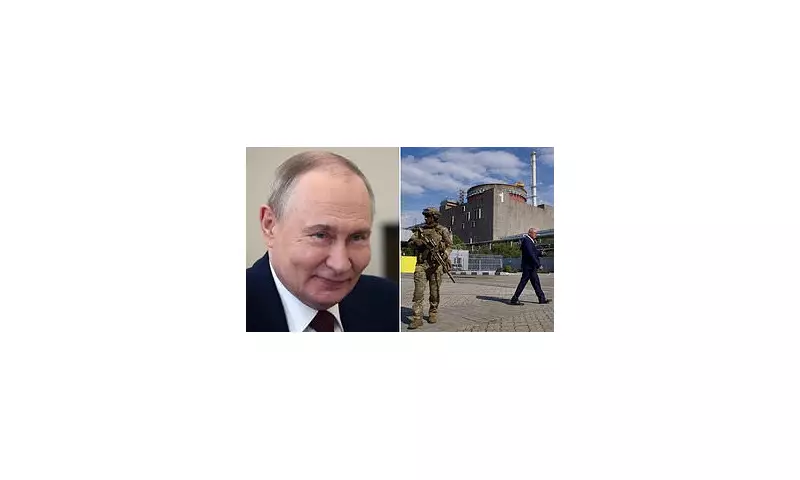
Russia faces accusations of risking a "very dangerous nuclear incident" with potentially continental consequences as it moves to restart a reactor at the captured Zaporizhzhia Nuclear Power Plant. This development follows the granting of a 10-year operating licence to the state nuclear agency Rosatom, a decision Ukrainian authorities describe as paving the way for potential "nuclear catastrophe."
Critical Safety Concerns and Technical Knowledge Gaps
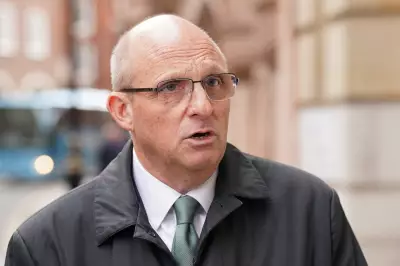
Ukrainian nuclear officials have expressed grave concerns that Moscow's plan to restore Reactor 1 could lead to "loss of control over the fuel" due to fundamental errors in reactor core management. Pavlo Kovtoniuk, acting chairman of Ukraine's state atomic enterprise Energoatom, revealed to The Times that Russian operators lack both the design information and operational guides necessary for proper use of American Westinghouse fuel and Ukrainian safety systems.
"There is a high probability that there will be errors in controlling the reactor core, because they do not know the system, the specifics of its operation," Mr Kovtoniuk stated. "Loss of control over the fuel would cause a very dangerous nuclear incident." He emphasised that depending on the incident's scale, the consequences could "affect the entire continent."

International Warnings and Occupied Plant Vulnerabilities
The International Atomic Energy Agency (IAEA) has previously warned against restarting the Zaporizhzhia facility, which has been under Russian military occupation since early in the conflict. The plant's six reactors have remained in cold shutdown for safety reasons since September 2022, yet the site has faced repeated security challenges including shelling that has cut off critical back-up power.
Despite these warnings, Rostekhnadzor, the Russian state regulator, claims all technical safety standards have been met. Rosatom director-general Alexey Likhachev stated that obtaining the licence allows the nuclear power company to "consider the resumption of electricity generation in the future," describing the plant as vital to Russia's occupation of the Zaporizhzhia region that President Putin unilaterally annexed in 2022.
Workforce Coercion and Systemic Safety Failures
Approximately 3,000 Ukrainian employees at the plant have reportedly been compelled to sign contracts with Rosatom, with many allegedly working under coercion that increases accident risks. An anonymous former plant employee still in contact with colleagues told The Times the licence should never have been granted, revealing that Russian repair work has excluded Ukrainian-made automation systems.
"Of course, they don't understand any of it," the source added, describing staff as "very intimidated" due to constant military pressure. Meanwhile, about 400 Ukrainian employees who refused to sign contracts with Russian authorities have faced prosecution, with 12 already convicted on charges Ukraine insists are fabricated.
Broader Energy Infrastructure Attacks and Nuclear Terrorism Accusations
These developments occur alongside Russia's continued attacks on Ukraine's energy substations, triggering widespread blackouts across the country. Mr Kovtoniuk has characterised these actions as "nuclear terrorism," noting that "a nuclear power plant must constantly be connected to the grid and have a back-up supply from the system for its safety."
The IAEA has supported Ukraine's complaints, warning that the "continued deterioration of Ukraine's power grid" could threaten the safety of its nuclear facilities. This situation unfolds against a backdrop of political turmoil within Ukraine's energy sector, following the dismissal of Mr Kovtoniuk's predecessor Petro Kotin amid corruption allegations involving Energoatom contracts.