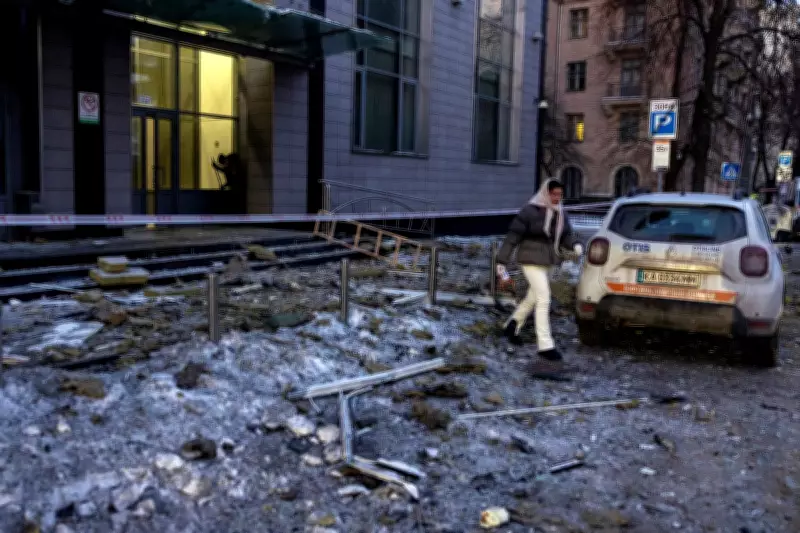
Russian military forces have unleashed their most significant aerial bombardment of the year against Ukraine, conducting a devastating overnight assault that involved a staggering arsenal of 71 missiles and 450 drones. The coordinated attack, which spanned from Monday into Tuesday, represents one of the largest and most intense air offensives witnessed since the conflict began, with Ukrainian officials confirming it as the biggest of 2026 so far.
Targeting Critical Energy Infrastructure
The primary focus of the Russian assault was Ukraine's vital energy generation and distribution network. Power facilities across the country were systematically targeted in an apparent effort to cripple civilian infrastructure and disrupt essential services during the winter months. The Ukrainian private energy company DTEK confirmed that this represented the most substantial attack on the nation's energy system since the beginning of the current year.
Sophisticated Arsenal Deployed
Russian forces employed a diverse array of advanced munitions in the coordinated strike. The attack included Iskander-M and S-300 ballistic missiles, Kh-101 and Iskander-K cruise missiles, along with Kh-22 and Kh-32 cruise missiles. Additionally, the assault featured Zirkon and Oniks missiles, demonstrating the comprehensive nature of the offensive and the technological capabilities deployed against Ukrainian targets.

Ukrainian Air Defence Response
Ukrainian air defence systems responded with remarkable effectiveness despite the overwhelming scale of the attack. According to official reports from the Ukrainian Air Force, defence forces successfully intercepted and destroyed 450 incoming projectiles. This defensive achievement included the downing of 38 missiles and an impressive 412 drones, showcasing the continued resilience and capability of Ukraine's air defence network even under extreme pressure.
Political Developments and Ceasefire Concerns
The military escalation comes amid significant political developments in the ongoing conflict. Ukrainian President Volodymyr Zelensky has reportedly agreed to a Trump-backed plan outlining responses to potential Russian ceasefire violations. This diplomatic development suggests ongoing efforts to establish frameworks for conflict management, even as military hostilities intensify on the ground.
The overnight bombardment specifically targeted the Ukrainian capital Kyiv, with residents reporting sustained attacks throughout the night hours. The scale and coordination of this assault underscore Russia's continued commitment to maintaining military pressure despite international condemnation and ongoing diplomatic efforts to resolve the conflict.