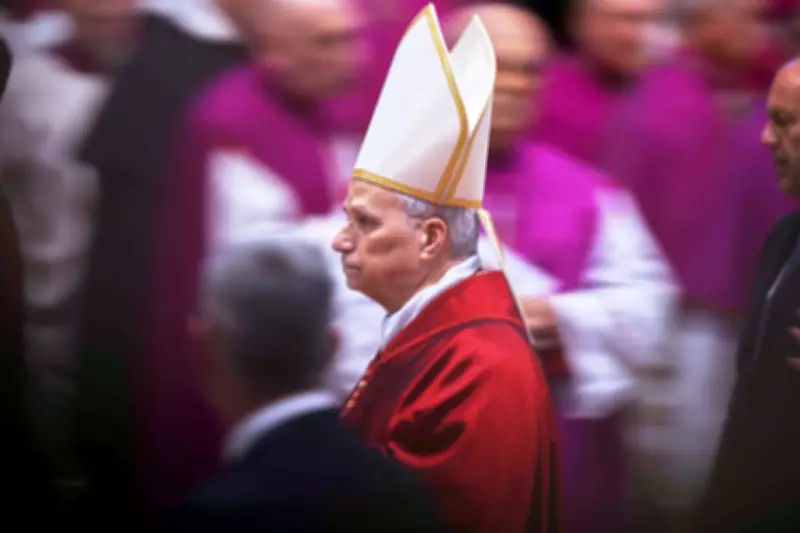
Pope Leo XIV's African Odyssey: A Complex Four-Nation Pilgrimage
Pope Leo XIV's 11-day journey across Africa is a whirlwind of diplomatic and spiritual engagement, evoking memories of the early globe-trotting missions of St. John Paul II. This intricate tour spans four nations, with the Pontiff set to tackle pressing themes including Christian-Muslim coexistence, the over-exploitation of natural and human resources, systemic corruption, and the migration crisis. Here is a detailed country-by-country breakdown of this significant papal visit.
Algeria: A Personal Pilgrimage and Interfaith Dialogue
From April 13 to 15, Pope Leo XIV will visit Algeria, a stop of profound personal significance due to his deep ties to St. Augustine, the inspiration for his religious order who lived and died in the region. The Pontiff will travel to Annaba, the modern-day Hippo where the 5th-century saint served as bishop.
In this majority Sunni Muslim nation on North Africa's Mediterranean coast, migration and Christian-Muslim coexistence are expected to be central themes. Leo will pay homage to migrants who perished in shipwrecks while attempting to reach Europe and will visit the Great Mosque in Algiers, symbolising interfaith solidarity.

This visit occurs against a backdrop of historical reckoning. Last year, Algerian legislators voted to declare France's 130-year colonisation a crime, passing a law that demands restitution for property seized during colonial rule and seeks to redress historical injustices.
Cameroon: A Quest for Peace Amid Conflict and Resource Exploitation
From April 15 to 18, the Pope's itinerary shifts to Cameroon, where a "peace meeting" in the north-west city of Bamenda on April 16 will be a highlight. This gathering will feature testimonies from a Mankon traditional chief, a Presbyterian moderator, an imam, and a Catholic nun, aiming to foster reconciliation.
Cameroon's western regions have been devastated by conflict since 2017, when English-speaking separatists launched a rebellion to break away from the French-speaking majority. The International Crisis Group reports that this violence has claimed over 6,000 lives and displaced more than 600,000 people. Additionally, the Boko Haram insurgency from neighbouring Nigeria has spilled over into northern Cameroon, exacerbating the turmoil.
The country is rich in resources, with significant reserves of oil, natural gas, cobalt, bauxite, iron ore, gold, and diamonds. The extractive sector accounts for nearly a third of Cameroon's exports, according to the Extractive Industries Transparency Initiative. However, rights groups and the Catholic Church warn that revenues rarely benefit rural and indigenous communities near mining sites, instead enriching foreign companies and a small national elite.
Chinese companies have increasingly entered Cameroon's gold mining regions in recent years, joining long-dominant French and English firms. United Nations experts have reported severe human rights and environmental harms from mercury use in eastern Cameroon's gold mines. UNICEF notes that hundreds of children have abandoned school to dig for gold in makeshift mines, risking their lives for minimal earnings on the local black market.
Angola: Healing Wounds in a Resource-Rich Nation
From April 18 to 21, Pope Leo XIV will visit Angola, where approximately 58% of the population is Catholic. He will pray at the Sanctuary of Mama Muxima, a Marian shrine that has become a key pilgrimage site. Originally built by the Portuguese in the late 16th century, this church served as a baptismal point for enslaved people before they were shipped to the Americas during the trans-Atlantic slave trade.
Angola is Africa's fourth-largest oil producer and ranks among the world's top 20, according to the International Energy Agency. It is also the world's third-biggest diamond producer, with substantial deposits of gold and critical minerals. Despite this wealth, the World Bank estimated in 2023 that over 30% of Angola's 38 million people live on less than $2.15 per day.
The nation gained independence from Portugal in 1975 but endured a devastating 27-year civil war that killed more than half a million people. The Vatican has indicated that Leo will address young Angolans specifically, offering a message of hope and healing to a generation scarred by this history.

Equatorial Guinea: Confronting Corruption in an Authoritarian Petrostate
The final leg, from April 21 to 23, takes the Pope to Equatorial Guinea, where offshore oil discoveries in the mid-1990s transformed the economy overnight. Oil now accounts for almost half of its GDP and over 90% of exports, according to the African Development Bank. Yet, the World Bank reported last year that more than half of the population lives in poverty.
This former Spanish colony is ruled by Africa's longest-serving president, Teodoro Obiang Nguema Mbasogo, who has held power since 1979 and faces accusations of widespread corruption and authoritarianism. Human Rights Watch and other groups document how oil revenues have enriched the ruling family rather than the broader population, with at least 70% of the nearly 2 million citizens living in poverty.
The government is also accused of harassing, arresting, and intimidating political opponents, critics, and journalists. Vatican spokesman Matteo Bruni stated that Pope Leo XIV will raise issues of corruption and the proper role of governing authorities during his visit, alongside concerns about the negative impacts of extraction industries.
This African tour underscores the Vatican's commitment to addressing both spiritual and socio-economic challenges, blending faith with calls for justice and sustainability across the continent.