Pope Leo XIV Confronts Traditionalist Schism Threat Over Unauthorised Bishop Consecrations
Pope Leo XIV Faces Traditionalist Bishop Consecration Crisis

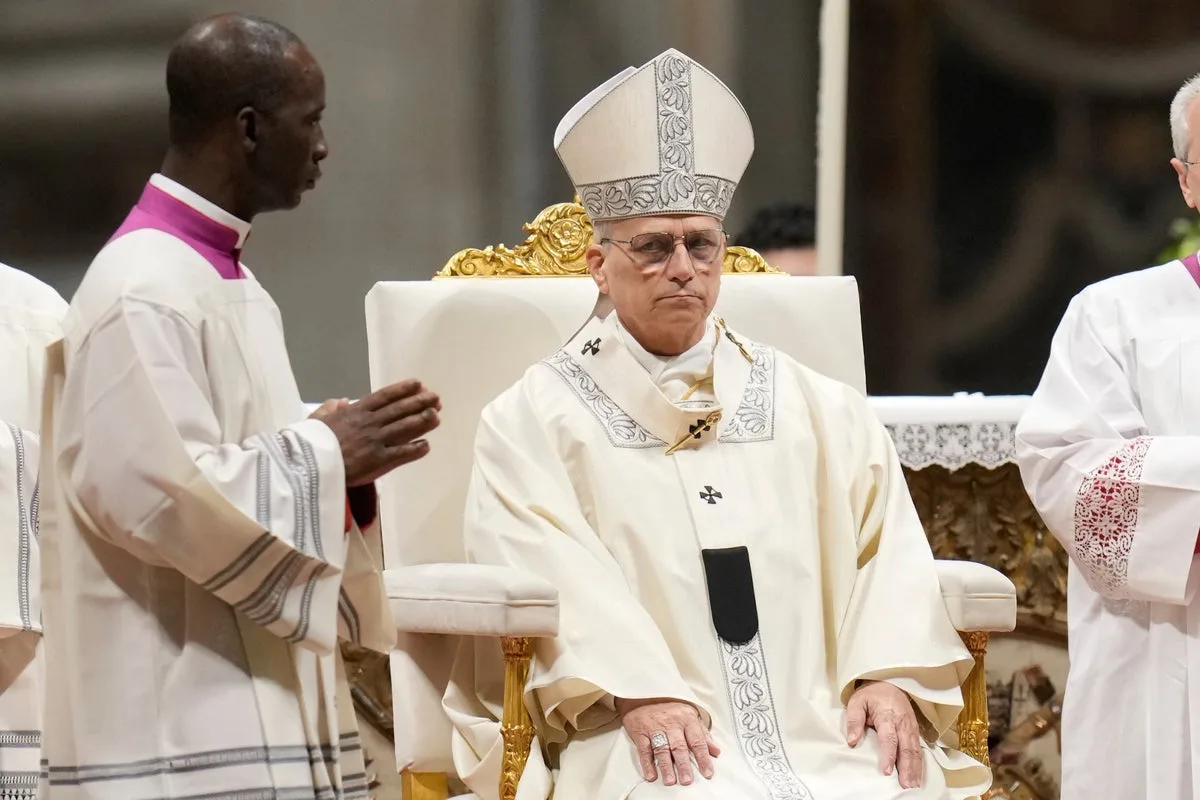
Pope Leo XIV is confronting his inaugural significant crisis with traditionalist Catholic factions, following a breakaway group's declaration that it intends to proceed with unauthorised bishop consecrations, potentially reviving historical schismatic tensions within the global church.

Traditionalist Group Defies Papal Authority

The Switzerland-based Society of St. Pius X, an organisation maintaining schools, chapels and seminaries worldwide, has represented a persistent challenge to Vatican authority for four decades. The group fundamentally opposes the modernising reforms initiated during the 1960s Second Vatican Council, creating a longstanding doctrinal rift.

Historical Precedent of Schism

This current confrontation echoes the 1988 crisis when the society's founder, Archbishop Marcel Lefebvre, consecrated four bishops without papal approval. Lefebvre defended this action as essential for preserving the church's traditional liturgical practices. The Vatican responded by excommunicating Lefebvre and the four bishops, with the society maintaining its irregular status within Catholic structures to this day.

Despite this formal separation from Rome, the traditionalist movement has experienced continued growth across subsequent decades. Numerous branches comprising priests, nuns and lay Catholics remain devoted to the pre-Vatican II traditional Latin Mass, creating what Vatican officials perceive as a parallel ecclesiastical structure.

Fundamental Doctrinal Conflict

From the Vatican's perspective, papal consent for bishop consecrations represents a cornerstone doctrine ensuring authentic apostolic succession tracing back to Christ's original apostles. Consequently, unauthorised episcopal consecrations are viewed as severe threats to ecclesiastical unity and potential catalysts for schism, particularly since bishops possess authority to ordain new priests.

Under established church law, participating in consecrations without papal approval triggers automatic excommunication for both the officiating individual and the purported new bishop. This canonical position underscores the gravity with which Vatican authorities regard the Society of St. Pius X's announced intentions.

Failed Reconciliation Efforts

The Holy See has pursued reconciliation with the SSPX for years, apprehensive about the expansion of alternative church structures. Pope Benedict XVI attempted conciliatory measures in 2009 by lifting excommunications against surviving bishops and relaxing restrictions on celebrating the traditional Latin Mass.

However, these efforts encountered significant setbacks when SSPX bishop Richard Williamson publicly denied Holocaust gas chamber atrocities during a televised interview. Subsequent pontificates, particularly under Pope Francis, witnessed escalating tensions as Francis reversed Benedict's liturgical permissions, arguing they fostered division rather than unity.

Current Crisis Escalation

Pope Leo XIV has acknowledged these persistent tensions while attempting to moderate the debate through expressed openness to dialogue and granting exceptions to Francis's stricter measures. Nevertheless, the SSPX declared on Monday that it must proceed with planned bishop consecrations on July 1st to ensure the society's future viability.

Reverend Davide Pagliarani, the SSPX superior general, revealed he had written to Pope Leo explaining the necessity for new bishops "to ensure the continuation of the ministry of its bishops, who have been travelling the world for nearly forty years to respond to the many faithful attached to the tradition of the church."

The society stated it received a Vatican response "which does not in any way respond to our requests," compelling preparations for the consecrations given what it describes as "the objective state of grave necessity in which souls find themselves."

Vatican Maintains Negotiation Stance

Vatican spokesman Matto Bruni indicated on Tuesday that dialogue channels remain open, stating: "Contacts between the Society of Saint Pius X and the Holy See continue, with the aim of avoiding rifts or unilateral solutions to the issues that have arisen." This suggests potential eleventh-hour negotiations might still avert the planned consecrations.

Liturgical Divide at Heart of Conflict

The dispute fundamentally centres on contrasting liturgical practices. The traditional Latin Mass features readings and hymns entirely in Latin, with priests facing the altar away from congregants. Vatican II reforms introduced vernacular Mass celebrations with priests facing worshippers, encouraging more active congregational participation.

Devotees of the ancient rite maintain it represents a more prayerful and reverent form of worship, while Vatican authorities increasingly view its preservation as fostering division within contemporary Catholic communities. This liturgical disagreement now manifests in the potentially schismatic act of unauthorised bishop consecrations, presenting Pope Leo XIV with his most pressing ecclesiastical challenge to date.