Pope Leo XIV Issues Strong Condemnation of Tyrants in Global Address
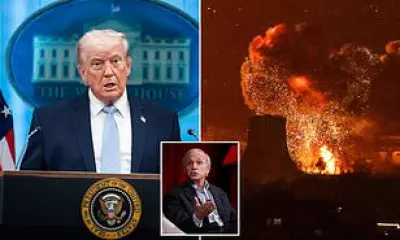
In a significant address from the Vatican, Pope Leo XIV has delivered a powerful speech condemning authoritarian leaders and tyrants, a move that has been widely interpreted as a veiled critique of former US President Donald Trump. The pontiff's remarks have ignited a fresh wave of political debate and analysis across international circles, highlighting tensions between religious authority and populist political figures.
Details of the Papal Speech and Its Implications
The speech, delivered during a routine Vatican gathering, saw Pope Leo XIV emphasise the dangers of leaders who prioritise personal power over public welfare and democratic principles. While not explicitly naming any individual, the context and timing of the comments have led many observers to link them directly to Donald Trump, given his controversial tenure and ongoing influence in global politics. This implicit targeting has added fuel to existing political spats, drawing reactions from supporters and critics alike.
Global Reactions and Political Fallout

Following the address, reactions have been swift and varied. Political analysts note that the pope's words could strain diplomatic relations between the Vatican and certain political factions, particularly those aligned with Trump's ideology. Supporters of the former president have dismissed the speech as biased, while critics have praised the pontiff for taking a moral stand against authoritarian tendencies. The incident underscores the growing intersection of religion and politics in contemporary discourse.
Historical Context and Broader Significance
This is not the first time a pope has commented on political matters, but the directness of Pope Leo XIV's condemnation marks a notable escalation. Historically, papal interventions in politics have often shaped public opinion and policy debates, and this latest spat is expected to influence discussions on leadership ethics and human rights. The speech also reflects broader concerns about the rise of populist movements worldwide, with the Vatican positioning itself as a voice for moderation and justice.
Looking ahead, the fallout from this address may prompt further statements from both religious and political leaders, potentially affecting international relations and electoral dynamics in key regions.