Pope Leo Condemns Global Tyrants and War Spending After Trump Feud
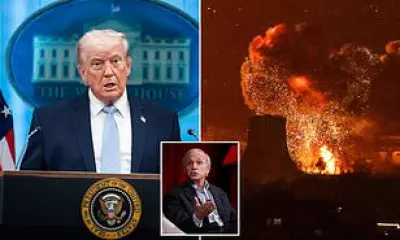
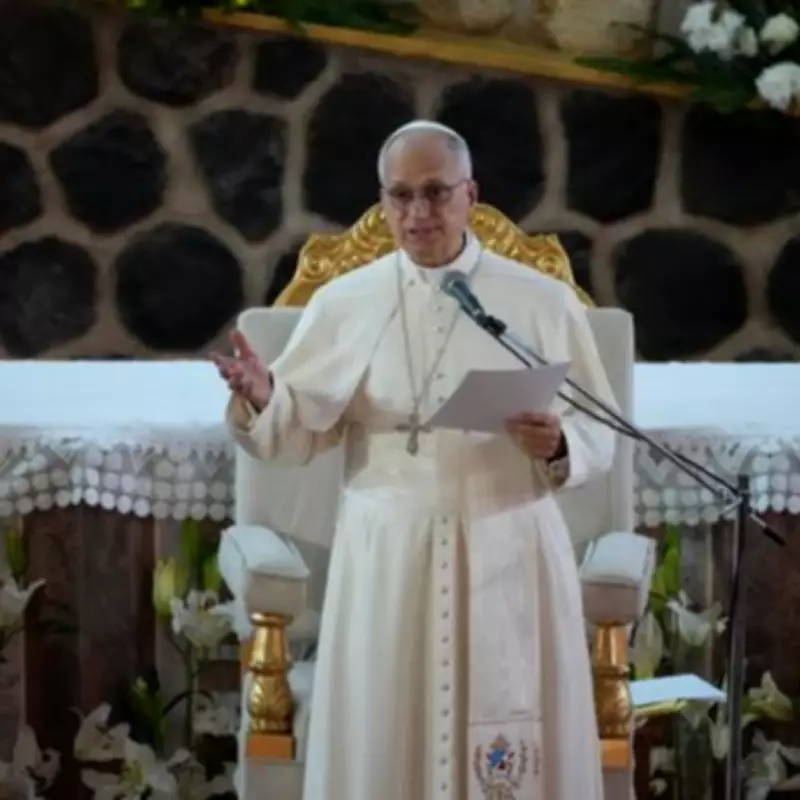
Pope Leo has launched a dramatic and forceful condemnation of world leaders who allocate billions of dollars to military conflicts, starkly declaring that the world is currently 'being ravaged by a handful of tyrants'. This powerful statement comes in the immediate aftermath of a highly publicised spat with former US President Donald Trump, who had previously labelled the pontiff as 'very weak'.
Public Rebuke in Cameroon
The Pope made these pointed remarks during a public address in Bamenda, Cameroon, where he did not shy away from addressing global political tensions. His comments represent a significant escalation in rhetoric, directly challenging the priorities and actions of numerous international figures engaged in or funding warfare.
Context of the Trump Dispute
This outburst follows a notable exchange with Donald Trump, which had captured global media attention. Trump's characterisation of Pope Leo as 'very weak' appears to have catalysed this more assertive stance from the Vatican, transforming a personal critique into a broader philosophical and moral indictment of contemporary leadership.

Core of the Pontiff's Message
The central thrust of Pope Leo's message is a profound critique of resource allocation on a global scale. He argues that vast financial resources, which could be directed towards humanitarian aid, poverty alleviation, and peaceful development, are instead being funnelled into destructive military endeavours by a small group of powerful individuals he terms 'tyrants'.
Implications and Reactions
This declaration is likely to reverberate through diplomatic circles and among faith communities worldwide. It positions the Papacy not merely as a spiritual authority but as a vocal critic of geopolitical power structures. The speech underscores a growing tension between religious calls for peace and the realities of international conflict and arms expenditure.
The incident highlights an ongoing and very public divergence in worldviews between the leadership of the Catholic Church and certain political figures, setting the stage for continued debate on ethics, governance, and the use of national treasuries.