Palestinians in Jerusalem Forced into Self-Demolition of Homes to Avoid Crippling Costs
In a distressing trend sweeping through Jerusalem, a growing number of Palestinians are being compelled to demolish their own homes with their bare hands. This practice, known as "self-demolition," is driven by the need to evade exorbitant fees charged by Israeli authorities for enforcement actions. Since the start of this year, Israeli courts have ordered the destruction of approximately 150 Palestinian homes, with 23 of these carried out as self-demolitions by the residents themselves.
Wael Al-Tahan's Heartbreaking Ordeal
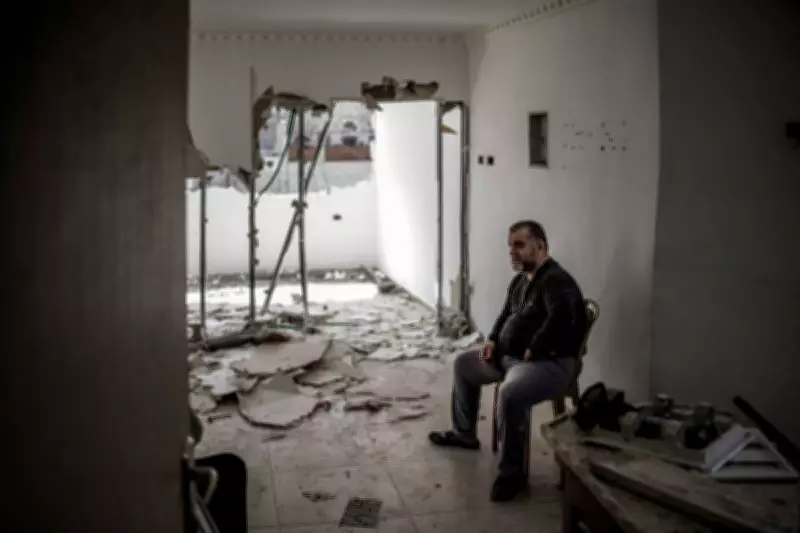
Wael Al-Tahan, a Palestinian resident of Ras al-Amud in East Jerusalem, exemplifies this harrowing reality. Four years after Israeli authorities demolished his first home, which had stood for three decades on the grounds of being built without a permit, he was forced to tear down his second home himself. Al-Tahan reached a "dead end" with the Jerusalem municipality, opting to avoid the over $30,000 fee for an official demolition, having already paid more than $40,000 in fines in recent years for unpermitted construction.
"All I had left after that was a small flat, and today I was forced to demolish it myself because they will not leave us in peace," Al-Tahan told Independent Arabia, comparing the act to gouging out one's own eyes.

Prolonged Legal Battles and Permit Issues
These demolitions follow extended legal disputes between Palestinians and the Jerusalem municipality, typically culminating in Israeli court orders for home destruction. Residents face a grim choice: self-demolish or pay Israeli authorities to do it. At the core of these conflicts is the extreme difficulty—often impossibility—of obtaining construction permits from the Israeli-run municipality, especially in areas like the "Holy Basin."
Israeli structural plans allocate only 14 percent of Jerusalem's land for development in Palestinian neighbourhoods, with the rest designated as green zones, exacerbating housing shortages and legal vulnerabilities.
Mohammed Odeh's Family Tragedy
In the Al-Bustan neighbourhood, Mohammed Odeh was forced to demolish not only his own home but also his brother's. The Jerusalem municipality issued a demolition order as early as 2009, citing the site's significance in Jewish beliefs as "the closest point between earth and heaven." Odeh paid a $70,000 fine for building without a permit before undertaking the self-demolition to avoid additional costs.
"Even if under a tree," Odeh insists he will remain in Jerusalem, where his family now lives with relatives while searching for new housing.
Unprecedented Increase in Demolitions
Marouf al-Rifai, legal adviser to the Governorate of Jerusalem, reports an "unprecedented increase in demolition operations." In the first three months of this year alone, over 147 homes were demolished, including 23 self-demolitions. In 2025, Israel destroyed 367 homes in Jerusalem, with more than 1,200 demolished over the past five years on grounds of unpermitted construction.
Al-Rifai notes that Israel prefers self-demolition to avoid the visual impact of storming Palestinian homes globally. Those who refuse face charges for bulldozers, security forces, ambulances, civil defence vehicles, and even guard dogs, forcing many into years of debt to cover demolition costs based on property size.
Historical Land Ownership and Ongoing Struggles
During interviews, neighbour Mohammed Qweider was also demolishing his home to sidestep high enforcement fees. His family holds land ownership documents in Al-Bustan dating back to the 17th century, with over 20 homes owned collectively, highlighting deep-rooted ties to the area amidst ongoing displacement.
This crisis underscores a systemic issue where Palestinians in Jerusalem are trapped between unattainable permits and devastating financial penalties, leading to a heartbreaking cycle of self-inflicted loss and resilience in the face of adversity.