Nowruz in Shadow of War: Iranian Americans Grapple with Celebration Amid Conflict
Nowruz in Shadow of War: Iranian Americans Grapple with Celebration

Nowruz in Shadow of War: Iranian Americans Grapple with Celebration Amid Conflict

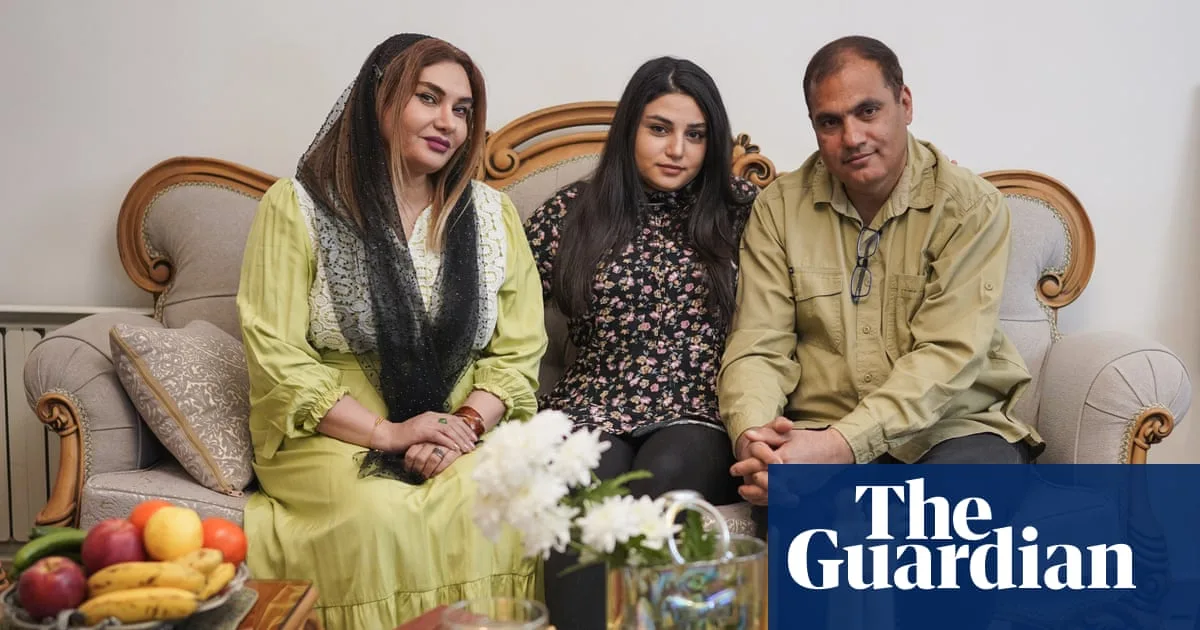
As the third week of the U.S.-Israel war with Iran concludes, Iranian Americans find themselves wrestling with profound emotional dissonance during what should be their most joyous cultural celebration. Nowruz, the Iranian new year that marks the spring equinox, typically represents renewal, hope, and fresh beginnings through elaborate feasts, music, and dance. This year, however, the festivities are overshadowed by conflict rippling through their ancestral homeland while being waged with the country where they now reside.

Navigating Celebration Amid Conflict

Kayvon Pourmirzaie and his wife Behnaz Almazi represent one approach to this dilemma. The Philadelphia residents traveled to Manhattan last weekend to attend a pop-up Persian dinner, choosing to celebrate despite the ongoing conflict. Pourmirzaie, whose parents immigrated to the United States before the 1979 Islamic Revolution, sees this Nowruz as particularly significant.

"Nowruz for me this year signifies a chance to see my beautiful homeland," said Pourmirzaie. "Even more important, I’m excited for the world to see the beauty of Iran. Nobody wants war, but this is a very strong feeling for me."

Wide Pickt banner — collaborative shopping lists app for Telegram, phone mockup with grocery list

This emotional landscape for Iranian Americans encompasses joy at the potential toppling of a regime many despise, fear for friends and family still in Iran, anger at what many perceive as an ill-planned conflict, and guilt about their own relative safety and stability in America.

Divergent Approaches Across Communities

Across the United States, responses to Nowruz celebrations vary dramatically. The Iranian Association of Boston canceled all their typically large-scale events out of respect for those suffering in Iran. "We want to respect the people," explained president Saeed Shafiyan Rad. "We just want peace and prosperity for the Iranian people."

Meanwhile, Hedi Yousefi proceeded with her Norooz Bazaar in New York City despite receiving threats from those who felt celebration was inappropriate. Born in Tehran and living in the U.S. for thirteen years, Yousefi views her celebration as "an act of resistance against the regime." She recalls her grandfather's words: "(The regime) would like nothing more than to stop Nowruz."

Persis Karim, former director of the Center for Iranian Diaspora Studies at San Francisco State University, represents another perspective. While acknowledging that Nowruz feasts should provide continuity in uncertain times, she struggles this year. "I’m not comfortable celebrating a tradition I love because I’m so appalled by what is happening to my family in Iran," Karim explained. "Of course I wish for a change of regime. But it should come from within Iran, not from bombs from the United States."

Culinary Traditions as Cultural Anchors

Food plays a central role in these complex negotiations of identity and politics. Persian American social media influencer Omid Afshar has turned to cooking Iranian recipes as Nowruz approaches. "Cooking Persian food has become a way to reconnect with our culture," said Afshar, who profiles Persian restaurants on Instagram. "For a long time growing up in America, I felt like I had to make that part of myself smaller so I could fit in with the rest of the world around me."

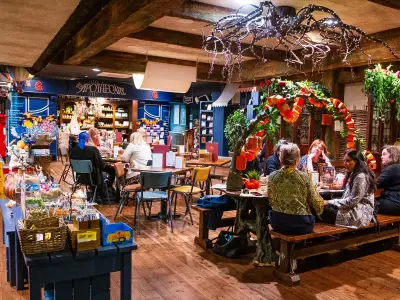
Nasim Alikhani, owner of Brooklyn Persian restaurant Sofreh, considered canceling Nowruz festivities but ultimately decided against it. "Iran has been invaded throughout history ... And yet Iranians kept the tradition of Nowruz alive," she noted. "I will not allow this unjust war and this aggression to win. Instead of singing and dancing around the table, maybe we will pray for peace and hold hands with our guests. But the food will absolutely be there, because there is no gathering without food."

Pickt after-article banner — collaborative shopping lists app with family illustration

Economic Impacts and Cultural Subversions

The conflict has created uneven economic impacts across Persian businesses. Nowruz typically marks the busiest month for Persian restaurants and shops, but this year business has declined in communities where popular sentiment opposes the attacks. Conversely, in areas with strong support like Los Angeles—home to the large Iranian community nicknamed "Tehrangeles"—business spikes with major news developments.

"When the war started, we had a spike. When the supreme leader of Iran was said to be dead, we had a spike," reported Farinaz Pirshirazi, co-owner of Persian restaurant Toranj in Los Angeles. "Whoever came in had the biggest smile on their face, and they were crying a little bit out of joy. They were all telling us, 'We have to go out tonight, and we have to have Persian food.'"

The tension has even transformed traditional foods. Halva, a paste-like sweet typically served during mourning periods, has taken on sarcastic significance. When Supreme Leader Ali Khamenei was killed, Iranian Americans prepared it as an expression of joy rather than sorrow. "It was a sarcastic way of sharing the joy and happiness," Pirshirazi observed. "Usually halva is something that they do at funerals, when you’re sad. But in this particular situation, it was very sarcastic, because it was a sign of joy that they were making halva."

Community Building Through Culinary Events

Anais Dersi, organizer of the pop-up dinner attended by Pourmirzaie, created events that sold out quickly while raising money for charities in Iran. The dinner featured creative interpretations of Persian classics, including a pasta riff on tahdig, Iran's beloved pan-crisped rice dish.

"The idea was bringing the community together over something. Giving people a place to mourn, to feel distraught, or whatever they were feeling," Dersi explained. "As a first-generation American, food is a tether to my culture. I can’t always connect through politics or language, but the food feels like mine. And it feels like it belongs to others too. It’s a great unifier."

For Iranian Americans, this Nowruz represents more than the typical celebration of spring and renewal. It has become a complex negotiation of identity, politics, and cultural preservation—all viewed through the lens of food traditions that both connect them to their heritage and highlight their unique position between two nations at war.