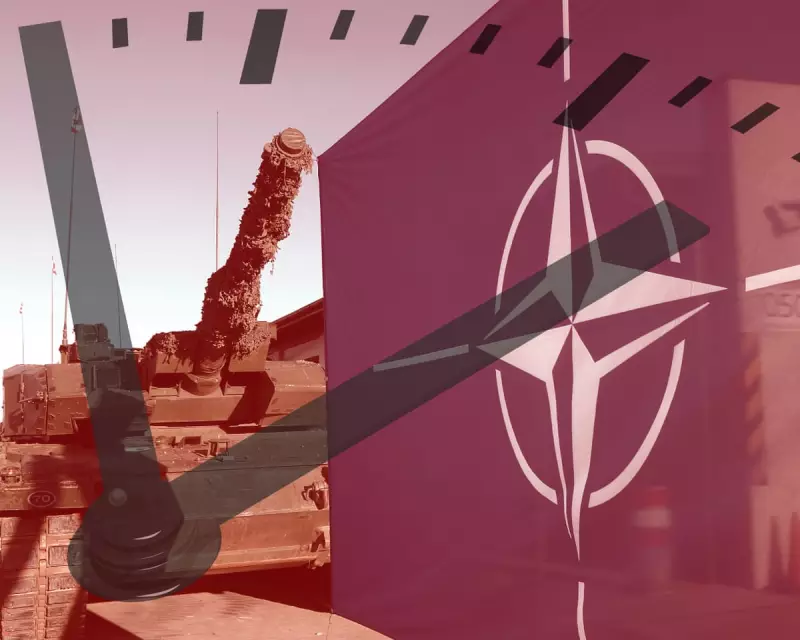
Understanding Nato: A Pillar of Global Security
The North Atlantic Treaty Organization, commonly known as Nato, was established in 1949 during the early stages of the cold war. Its primary objective was to serve as a defensive alliance, guaranteeing the security of its member states through both political and military cooperation. Initially formed as a bulwark against the Soviet Union, Nato has evolved significantly over the decades, adapting to new geopolitical realities.
The Core Principle of Collective Defence
At the heart of Nato's framework lies the principle of collective security, which is enshrined in Article 5 of the treaty. This article stipulates that an armed attack against one member is considered an attack against all, obligating a unified response. To date, Article 5 has been invoked only once, following the devastating terrorist attacks on the United States on September 11, 2001. This invocation underscores the alliance's commitment to mutual protection in times of crisis.
Historical Expansion and Membership Growth
Nato began with twelve founding members, including major powers such as the United States, the United Kingdom, France, and Canada. Over the years, the alliance has expanded its membership to include 32 nations, welcoming countries that are willing to contribute to the security of the North Atlantic area. Key milestones in this expansion include:

- The early additions of Greece, Turkey, and West Germany in the 1950s.
- A significant period of enlargement after the fall of the Berlin Wall and the collapse of the Soviet Union, which saw new democracies like Hungary, Poland, and Estonia join.
- The most recent accessions of Finland and Sweden, which applied for membership in response to Russia's invasion of Ukraine, highlighting the alliance's ongoing relevance in contemporary security dynamics.
Operational Deployments and Modern Challenges
Nato personnel have been actively deployed in various conflicts and missions around the world. Notable operations include airstrikes during the war in the former Yugoslavia and a prolonged mission in Afghanistan following the 9/11 attacks. These deployments demonstrate the alliance's capability to project power and maintain stability in volatile regions.
In recent years, Nato has faced renewed pressures, particularly from within. During Donald Trump's presidency, which began in 2016, the alliance came under scrutiny as the president criticised member nations for inadequate defence spending. This criticism, combined with the escalating threat from Russia, prompted nearly all members to commit to increasing their defence budgets by June 2025. This move aims to strengthen the alliance's collective capabilities and ensure its readiness for future challenges.
The Future of Nato in a Changing World
As global security landscapes continue to shift, Nato remains a crucial institution for fostering international cooperation and deterring aggression. Its ability to adapt, from its cold war origins to addressing modern threats like cyber warfare and terrorism, underscores its enduring importance. The ongoing commitment to collective defence and strategic spending will be key to maintaining Nato's effectiveness in the years to come.