Muslim New York: Artists and Thinkers Define a New Era for the City
Muslim New York: Creatives Shape City's New Era

Muslim New York: Artists and Thinkers Define a New Era for the City

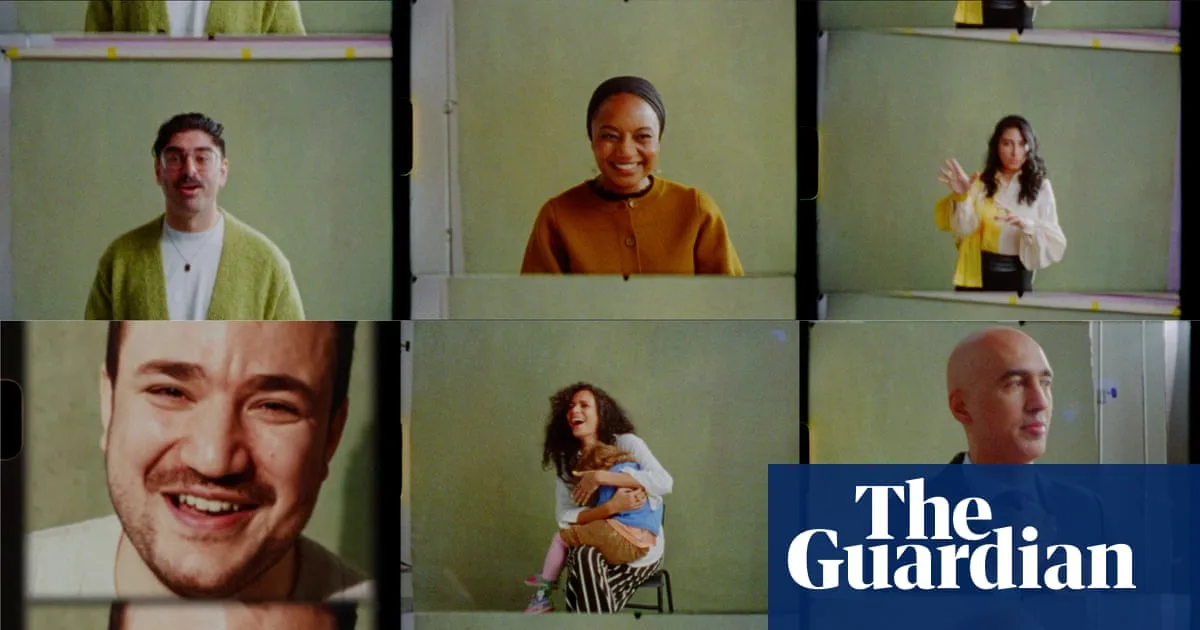
Against the backdrop of Zohran Mamdani's mayoral rise, a dynamic and burgeoning scene of Muslim creatives and intellectuals is flourishing, ushering in a transformative era for New York City. This prominence represents a powerful rebuke of the ugly Islamophobia that defined the post-9/11 period and is, in many ways, an outcrop of the mass movement for Palestinian rights forged over recent years. We explore the work and perspectives of 18 Muslim New Yorkers who are at the forefront of this historic moment.

How Muslim New Yorkers Are Changing the City's Cultural Landscape

The writers, strategists, connectors, advocates, artists, patrons, musicians, and magazine founders profiled here illustrate the diverse ways in which Muslim communities are influencing New York's social fabric.

The Writers

Hala Alyan, a celebrated Palestinian-American writer and poet based in Brooklyn, explores themes of exile and belonging in her work. At 39, she hosts the popular live performance series Kan Yama Kan, which fundraises for causes from Gaza to Sudan to reproductive justice. Her recent memoir delves into her family's history of displacement and her own struggles with infertility. As a psychology professor at New York University, Alyan believes stories like hers resonate because audiences crave emotional and narrative connection.

Mohammed R Mhawish, 25, grew up in Gaza and initially dreamed of teaching Shakespeare. Encouraged by his creative writing teacher, he turned to war reporting after losing journalist friends to Israeli attacks and nearly being killed in an airstrike. Now a contributor to The New Yorker and other publications, Mhawish feels a new level of responsibility in New York, enjoying the community fabric while recognising the urgency of his work.

The Strategists

Zara Rahim, a first-generation Bangladeshi American from Florida, worked for Barack Obama and Hillary Clinton's campaigns before becoming a senior adviser to Mamdani. At 35, she helped shape his authentic messaging strategy, favoring neighborhood restaurants and cultural events over traditional media. Rahim joined the campaign due to disappointment with the Democratic party's stance on Gaza and was struck by Mamdani's principled leadership.

Waleed Shahid has played a leading role in the progressive wing of the Democratic party, helping recruit Alexandria Ocasio-Cortez and co-founding the Uncommitted Movement. He views Mamdani's victory as a watershed moment in Palestine politics in the US, now serving as deputy communications director of economic justice in Mamdani's administration.

The Connectors

Mohammed Iman Fayaz, 35, is an illustrator and co-founder of the Brooklyn art collective Papi Juice, which provides safe space for queer people of color. After a pilgrimage to Mecca in 2024, he felt a personal transformation, reconciling his queer and Muslim identities.

Gehad Hadidi, 42, runs Huda, a restaurant in East Williamsburg that has become a convergence point for Muslim creatives and intellectuals. Named after a community center from his childhood in Michigan, Huda hosts cultural events and aims to be part of the neighborhood fabric in a meaningful way.

The Advocates

Mahmoud Khalil, 31, is a Palestinian activist and former Columbia University student leader who was detained in a crackdown on pro-Palestinian speech. Despite legal setbacks, he continues to fight deportation and hopes to raise his son in New York, resisting despair through hope and activism.

Ramzi Kassem, now Mamdani's chief counsel, was a prominent civil rights attorney defending New Yorkers from post-9/11 abuses. He sued the NYPD for surveillance of Muslims, leading to major reforms, and believes Muslim communities' lived experiences can lead the way in broader societal issues.

Aber Kawas, 33, a Palestinian-American community organizer, is running for state assembly in Queens. Inspired by Mamdani's focus on dignity for the working-class, she aims to centre marginalised people in her political work, drawing from her own experiences with deportation and surveillance.

The Artists

Sarah Elawad, 29, a British-Sudanese artist in Brooklyn, is known for maximalist, neon designs and created fun campaign visuals for Mamdani. Commissioned by New York's Africa Center for a massive installation, she feels the creative rush and community in New York are unparalleled.

Dean Majd, 35, a Palestinian New Yorker photographer, brings empathy from his experiences with occupation and Islamophobia to his work. He has photographed Mamdani for Vogue and captured portraits of Mahmoud Khalil, with a solo show upcoming.

Laylah Amatullah Barrayn, a documentary and portrait photographer, published a monograph chronicling 2020's events. She sees parallels between today's New York and the organising she witnessed in her childhood mosque in Brooklyn.

The Patrons

Deana Haggag, head of the Mellon Foundation's arts and culture program, has been at the centre of building Muslim cultural community in New York. She co-hosted a milestone Eid-al Fitr banquet, fostering gathering and connection to dull loneliness.

Kashif Shaikh co-founded Pillars Fund, which has evolved into an incubator for Muslim creative talent, with advisers like Riz Ahmed. He notes the growing recognition and platforming of Muslim artists in mainstream media.

The Musician

Arooj Aftab, a Grammy-award winning Pakistani singer and composer based in Brooklyn, blends jazz, South Asian classical music, and Sufi poetry. She finds New York's energy liberating and sees this moment as providing relief from anti-Muslim discrimination.

The Magazine (Acacia)

Acacia magazine, launched in January 2024, serves as a forum for Muslim intellectuals and creatives. Founded by Hira Ahmed, with Maryam Adamu as publisher and Arsh Raziuddin as creative director, it explores topics like queerness and Islam, the War on Terror legacy, and impacts of Gaza. The team emphasises carving out spaces in journalism that are often not set up for Muslim voices.

This collective effort highlights how Muslim New Yorkers are not only thriving but actively redefining the city's cultural and political narratives, marking a significant shift in its identity and inclusivity.