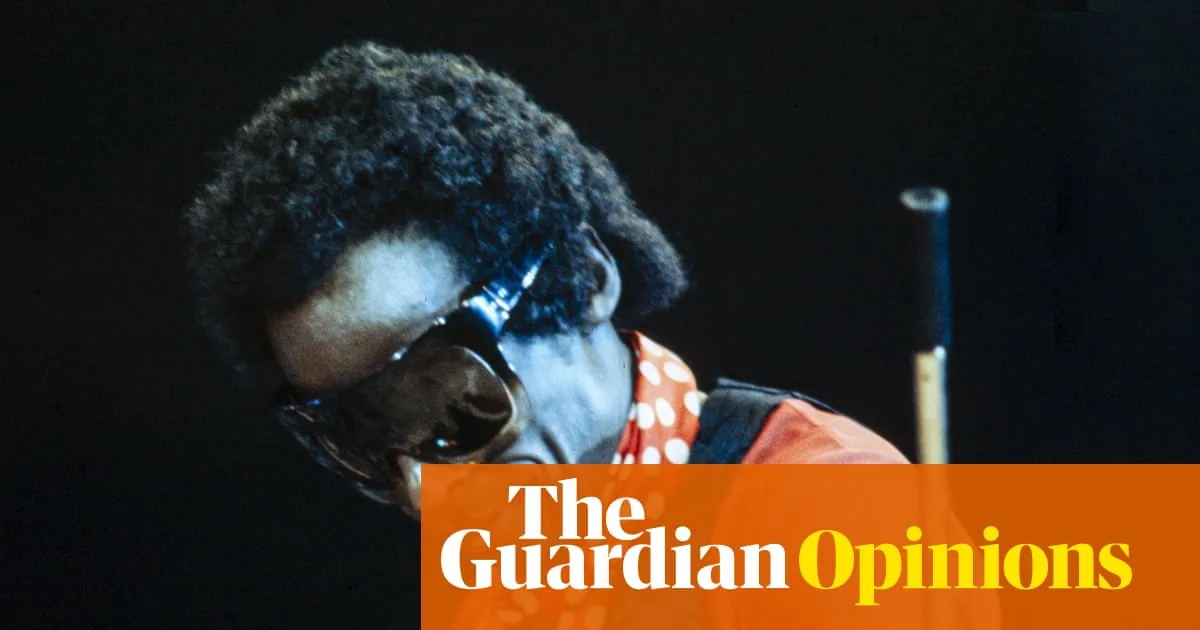
As the centenary of Miles Davis’s birth approaches on Tuesday, the trumpeter, composer and band leader remains a towering figure in 20th-century music, not simply for mastering jazz but for refusing to let it stagnate. Davis believed that innovation was essential for tradition to survive, writing in his 1989 autobiography: “I always thought that music had no boundaries, no limits to where it could grow and go, no restrictions on creativity.” He repeatedly dismantled the sound he had helped create, embracing electric instruments in 1968 much as Bob Dylan had done in folk music.
Davis moved to New York at 18 after hearing Dizzy Gillespie and Charlie Parker. While bebop prized speed, Davis preferred restraint and precision, spearheading the cool jazz movement. In 1949, his Birth of the Cool sessions filtered bebop through a softer lens; a decade later came the modal masterpiece Kind of Blue, which The Guardian’s jazz critic rates as his greatest work. His second great quintet, featuring saxophonist Wayne Shorter and pianist Herbie Hancock, saw out the 1960s, followed by the groundbreaking In a Silent Way and the avant-garde Bitches Brew, which shattered musical conventions with its 26-minute improvised title track.
Davis’s genius coexisted with brutality. He was deeply scarred by American racism, particularly police violence and an industry he felt favoured white performers. His marriage to dancer Frances Taylor helped transform him from a heroin-ravaged sideman overshadowed by Chet Baker into a figure of elegance, but she eventually left, worn down by his violence and addiction. Davis admitted to a long history of physical abuse, exploitation and chronic infidelity, writing: “I didn’t hate women; I loved them, probably too much.”
Davis retired in 1975, disappearing into drug use in a grim New York brownstone he described as “filthy and real dark and gloomy, like a dungeon”. He did not play trumpet for almost five years. Yet he returned, and by 1988 was performing with Prince, whom he called the “new Duke Ellington of our time if he just keeps at it”. Davis hated the word “jazz”, reasoning that whatever it was had to evolve, absorbing funk, rock, African rhythms and electronica.
Davis had his critics, notably trumpeter Wynton Marsalis, who dismissed him as a sellout for covering pop songs in flashy outfits. At 21, Marsalis said Davis’s music was a “letdown” that would make Charlie Parker “roll in his grave”. The two never reconciled. But after Davis’s death, Marsalis offered a graceful concession, writing that “few in jazz or any other music have been as good as he was at his best”. Marsalis wanted jazz preserved; Davis wanted it alive. History has largely settled the argument.