Lebanese Australians Watch in Despair as Israeli Bombardment Forces Families to Flee
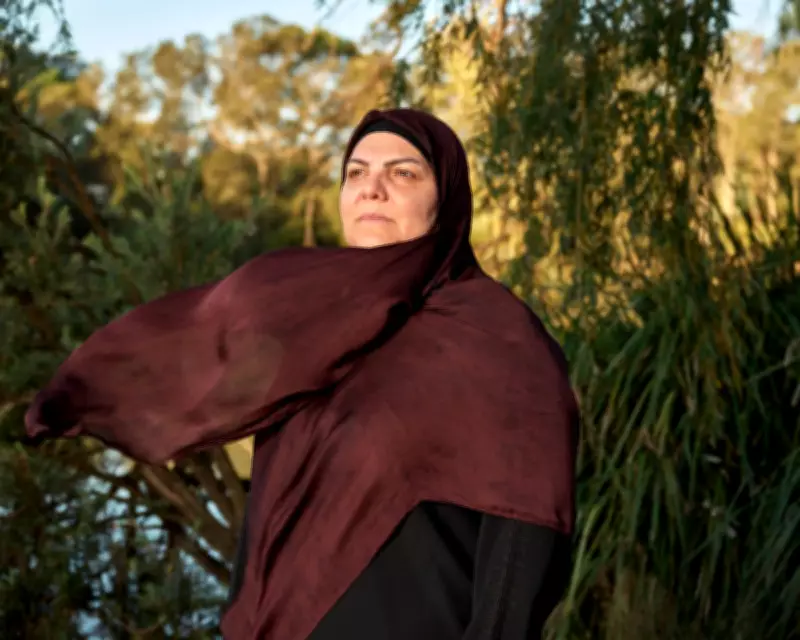
Every morning, Mariam Nasereddine from Sydney checks for familiar names on a growing list of the dead as war intensifies in her native Lebanon. 'Every single moment of that terrifying ongoing attack on Lebanon is just eating me up,' says Nasereddine, whose friends, family, in-laws, and colleagues in Lebanon have been forced to flee in the path of Israeli strikes. 'I'm not sleeping, I'm not eating. I cry easily ... I'm in a constant worry.'
Psychological Toll on Diaspora Community
Nasereddine is among members of Australia's Lebanese diaspora facing a worsening psychological toll as the Israeli military invasion of the country escalates. Israel's defence minister, Israel Katz, this week stated that its army would occupy swathes of south Lebanon and destroy homes along the border, prompting concerns of long-term forced displacement. Katz drew a comparison to Gaza, where Israel's military razed most homes in the territory's neighbourhoods.
More than a million people have been displaced by Israel's invasion of Lebanon, according to Lebanese authorities. The death toll has surpassed 1,200, including more than 120 children, as reported by the Lebanese health ministry. With much of Lebanon's south populated by the Shia Muslim community, their relatives in Australia have expressed helplessness and grief as they watch on in horror.

Personal Stories of Displacement and Loss
Nasereddine, who first moved to Australia from her home country in 1990, recalls a recent video call with a friend in Lebanon. It was the first time she had seen her friend's newborn twins, just four days old, lying in a plastic bread crate – a makeshift cot their mother had created. For weeks, the family has been sleeping on the floor in a school classroom in Mount Lebanon, filled with other families displaced by Israel's attacks. 'When I saw them in that crate, I just started crying,' Nasereddine says. 'I couldn't look at them. It was too much.'
Last month, three of her friends and their families were killed by Israeli airstrikes in Beirut. In January, Nasereddine's heavily pregnant friend was forced to evacuate from her family's home in Aitaroun, later relocating to Mount Lebanon because schools in the capital were overflowing with displaced civilians. 'She tells me: 'I have zero hope that I'm returning to my house,'' Nasereddine adds. Her in-laws are living with five other families – also forced to leave their homes in the south – in a two-bedroom house in Mount Lebanon.
Community Anguish and Helplessness
Mustafa, a Lebanese Australian who requested his surname not be published, has spent weeks in anguish as he messages his extended family who have evacuated their homes in the country's south. 'I've seen videos of my little cousins crying, not understanding what the situation is or why they have to go,' he says. 'They tend to understand that they're being bombed. They understand there is a war but they don't understand why. And that impacts them.'
Mustafa's cousin, who has two children, recently returned to their village, Aitit, in the country's south because they were unable to find affordable accommodation. 'She's at a point where she said I'd rather all of us go in peace,' he explains. 'It's hard to cope with not knowing what will happen ... you feel utterly helpless. We have loved ones who could die at any moment and that is nothing easy in your subconscious to live with.'
Political and Humanitarian Responses
Israel launched a military campaign in Lebanon shortly after Lebanon-based military group Hezbollah launched rockets at Israel on 2 March in retaliation for the US-Israel's assassination of the Iranian supreme leader, Ayatollah Ali Khamenei. However, areas of the south have been subjected to continuous Israeli military action since 2023.

The Shia Muslim Council of Australia this week wrote to the foreign affairs minister, Penny Wong, highlighting the 'profound distress' within the Lebanese Australian community and calling for increased humanitarian assistance and pathways for migrants and refugees to remain open. The council also urged the federal government to speak out against Israel's attacks on Lebanon, including the targeting of civilians, journalists, and healthcare workers. 'These attacks have been condemned by the UN and in joint statements by Western nations. We should not wait for Lebanon to become the next Gaza before we condemn these actions,' the letter states.
This week, Wong released a joint statement alongside the UK and several EU nations expressing the government's support for the government and citizens of Lebanon. 'We express our condolences to the family of the victims and our solidarity to the civilian population impacted by this war both in Lebanon and Israel,' the statement said. Wong 'strongly condemned' Hezbollah's attacks in support of Iran against Israel and called for all parties to immediately de-escalate. Last month, Australia announced an extra $5 million in aid to support civilians in Lebanon, particularly women and children affected by the conflict.