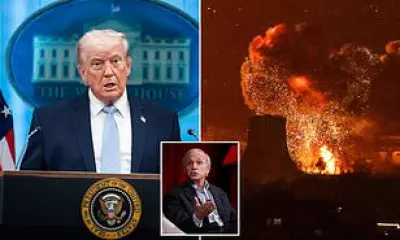
A significant 10-day ceasefire between Israel and Lebanon has officially commenced, marking a pivotal moment in the ongoing regional tensions. Israeli Prime Minister Benjamin Netanyahu confirmed the truce, which aims to temporarily halt hostilities with the Iranian-backed Hezbollah militant group operating within Lebanon.
Trump Announces Ceasefire Agreement
Former US President Donald Trump publicly announced the ceasefire between Israel and Lebanon, adding a notable diplomatic dimension to the development. Lebanese President Joseph Aoun has welcomed the agreement, expressing hope that it could lead to more stable relations in the region.
Hezbollah's Conditions and Broader Implications
The conflict primarily involves Israel and Hezbollah militants, rather than direct nation-to-nation fighting. Hezbollah stipulated that any truce must encompass all Lebanese territory and restrict Israeli freedom of movement, conditions that have been addressed in the current agreement.

Netanyahu expressed optimism about the ceasefire, suggesting it could pave the way for a "historic peace agreement" involving broader efforts with Iran and the United States. This pause in hostilities is seen as a potential stepping stone toward de-escalation and diplomatic negotiations.
Regional and International Context
The ceasefire comes amid heightened tensions in the Middle East, with Iran's influence and nuclear capabilities being a central concern. Trump's involvement in announcing the truce highlights the ongoing international interest in mediating conflicts in the region.
Analysts note that while the 10-day period is relatively short, it provides a crucial window for humanitarian efforts and could set a precedent for future peace talks. The agreement's success may depend on adherence by all parties and continued diplomatic engagement from global stakeholders.